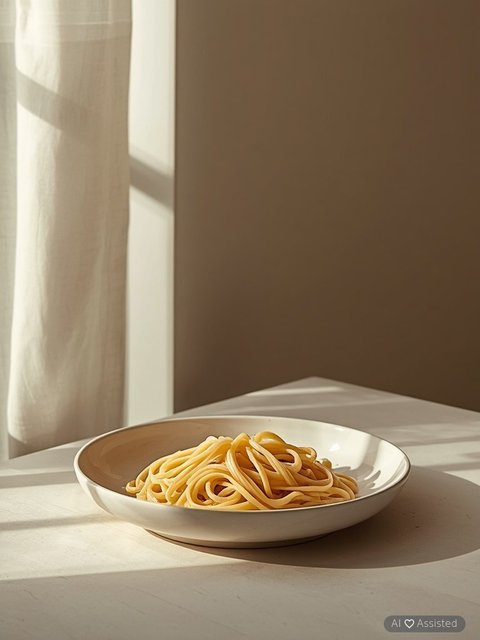
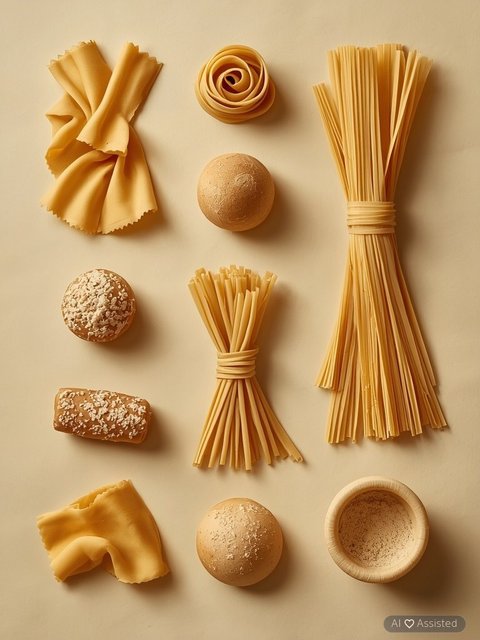
Whole-Grain Rye Pasta (Type 720) – Nutritional Value, Low Glycemic Index, and Microbiome Benefits

| Diets Premium Expert Katarzyna Mazur | min read 2 min | Scientifically reviewed by a clinical dietitian 23.10.2026 |
Smart Voice
•Listen to the article content live
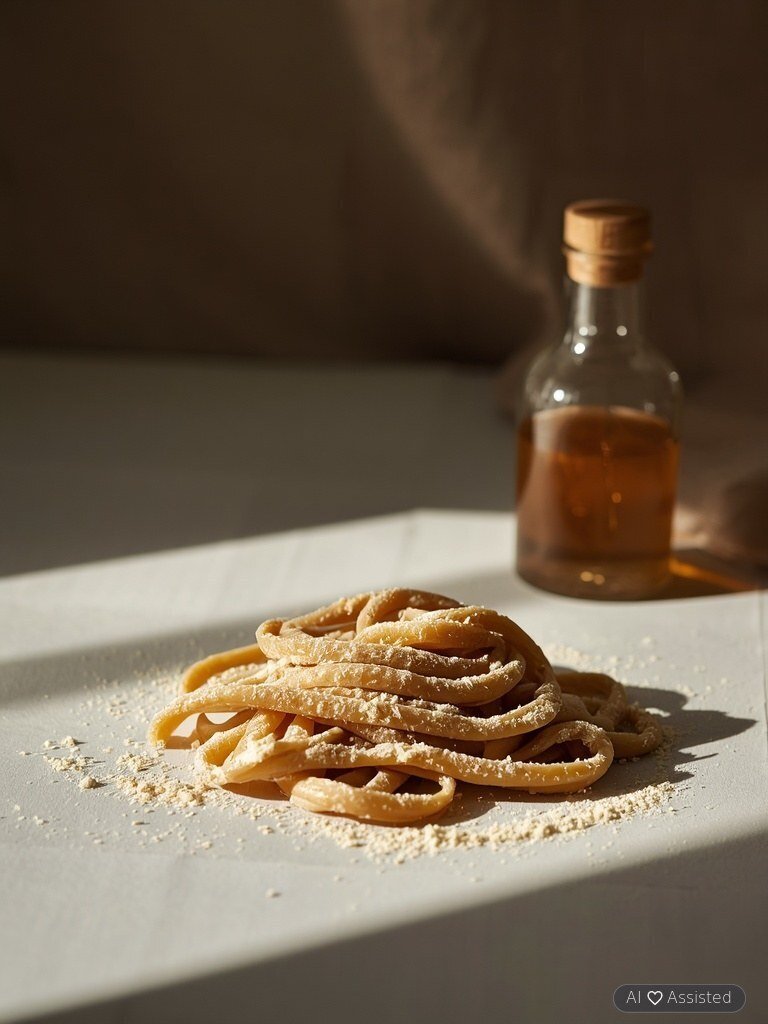
Whole-grain rye pasta crafted from type 720 flour is an extraordinary functional grain product uniting culinary versatility with the bioactive potency of rye grain. Type 720 rye bread flour preserves valuable bran fractions, conferring exceptional concentrations of soluble arabinoxylan fiber (pentosans), a low glycemic index, and a rich, rustic nutty flavor. It represents an ideal dietary staple for diabetes management, insulin resistance, and sustainable fat-loss protocols.
Want to apply these guidelines in your daily diet?
Our smart diet generator creates a tailored meal plan in 3 minutes based on the recommendations in this article.
Nutritional Value of Type 720 Rye Flour – Vitamins, Minerals, and Lignans
Type 720 rye flour far surpasses standard white flour in micronutrient density:
- Mineral and vitamin endowment – supplies generous concentrations of magnesium, non-heme iron, zinc, potassium, and B-complex vitamins.
- Plant lignans – bioactive phytoestrogens metabolized by the intestinal microbiota into enterolactone, providing protective effects against hormone-dependent malignancies.
- Phenolic antioxidants – rich in ferulic acid, defending against lipid peroxidation.
Energy Value, Glycemic Index, and Satiety Dynamics
Rye pasta manufactured from Type 720 flour delivers distinct metabolic benefits:
- Caloric density – 100 g of dry pasta provides ~340–350 kcal, translating to ~180–200 kcal per 150 g cooked portion.
- Low glycemic index (GI ~40–45) – viscous arabinoxylans slow enzymatic starch breakdown, preventing reactive glycemic and insulin spikes.
- Sustained postprandial satiety – viscous fibers delay gastric clearance and stimulate satiety hormones.
Culinary Uses – Cooking Guidelines and Flavor Pairings
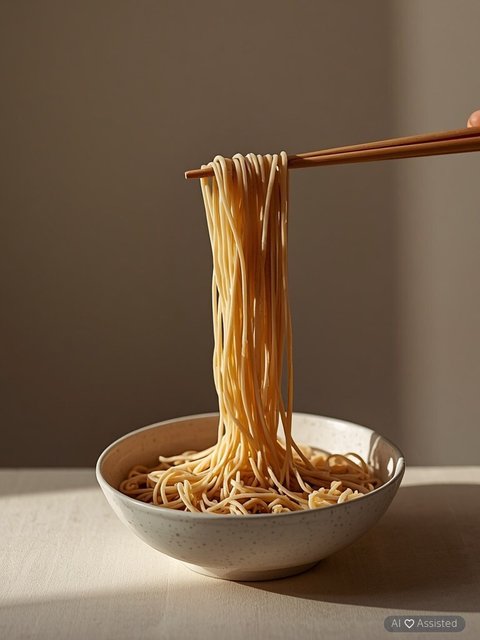
Rye pasta displays an assertive, robust texture demanding thoughtful culinary execution:
- Al dente cooking – boil in generous salted water for 7–9 minutes; avoid overcooking to preserve optimal bite and low glycemic integrity.
- Flavor pairings – its earthy profile harmonizes exquisitely with forest mushroom sauces (chanterelles, porcini), roasted root vegetables, sautéed garlic and kale, and wild smoked salmon.
Tags

Katarzyna Mazur
✓Diets Premium Expert
Diets Premium team expert. Specializes in nutrition plans, strength sports, and training plans.
View Profile →