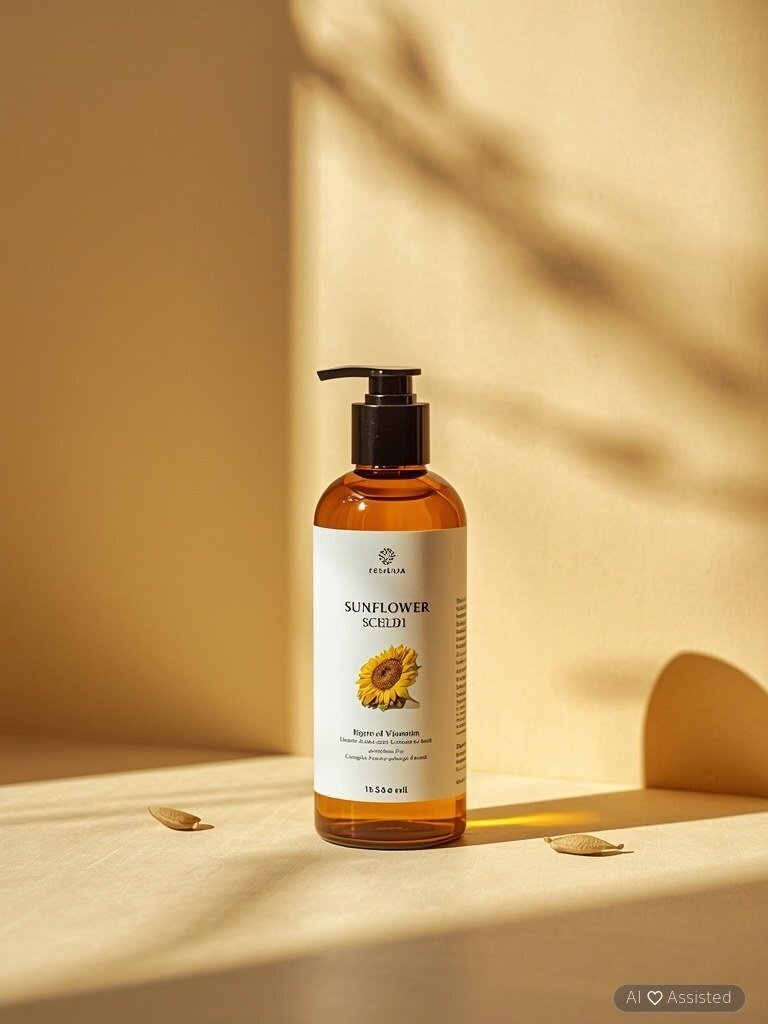
Cold-pressed sunflower seed oil rich in vitamin E

| Diets Premium Expert Laura Schneider | min read 2 min | Scientifically reviewed by a clinical dietitian 23.10.2026 |
Smart Voice
•Listen to the article content live
Unrefined cold-pressed sunflower oil is distinguished by its elevated concentration of tocopherols—the natural form of vitamin E—which plays a pivotal role in maintaining epidermal integrity and accelerating the repair of damaged tissues. As a potent antioxidant, vitamin E neutralizes free radicals, thereby diminishing the risk of cellular degeneration and reinforcing cellular defense mechanisms. Consistent consumption of this oil in cold culinary preparations contributes to enhanced skin elasticity and deceleration of age-related physiological decline.
Want to apply these guidelines in your daily diet?
Our smart diet generator creates a tailored meal plan in 3 minutes based on the recommendations in this article.
Nutritional properties and fatty acid profile
Unrefined, cold-pressed sunflower oil represents one of the richest plant sources of alpha-tocopherol, the biologically most active form of vitamin E. Consequently, it exerts robust antioxidant properties, safeguarding cell membrane lipids from peroxidation while bolstering immune competence and cardiovascular health.
The lipid profile is dominated by polyunsaturated fatty acids, predominantly linoleic acid (omega-6), alongside oleic acid (omega-9) and modest quantities of saturated palmitic and stearic acids. The oil additionally provides beneficial phytosterols, phospholipids (lecithin), and carotenoids. Due to its marked preponderance of omega-6 fatty acids, dietary balance should be maintained by pairing it with reliable sources of omega-3 fatty acids, such as fatty marine fish, flaxseed, and walnuts.
Culinary and cosmetic applications
Cold-pressed sunflower oil preserves the delicate, fresh aroma of sunflower seeds and is ideally suited for cold culinary preparations. It serves as an excellent addition to fresh salads, dressings, cold sauces, and cooked vegetables when drizzled immediately before serving. Owing to its relatively low smoke point and high concentration of heat-sensitive polyunsaturated fatty acids, it should never be used for high-temperature frying or baking.
In natural cosmetics, sunflower oil is highly regarded for its emollient and restorative attributes. It reinforces the skin's moisture barrier, smooths cutaneous texture, and alleviates dryness. Furthermore, it is traditionally utilized in oral oil pulling protocols to support periodontal hygiene and reduce microbial plaque formation.
Dermatological Properties and Epidermal Barrier Regeneration
In dermatological skincare, virgin unrefined sunflower oil is renowned for its exceptional biocompatibility with human skin lipids. Its rich linoleic acid (omega-6) core directly stimulates epidermal ceramide synthesis, reinforcing the intercellular lipid matrix of the stratum corneum.
Supported by a remarkable concentration of natural alpha-tocopherol, sunflower oil effectively protects keratinocytes and dermal fibroblasts against UV-induced oxidative photoaging. Applied topically as an anhydrous serum or emollient additive, it calms irritation, alleviates xerosis, and restores epidermal suppleness without comedogenic pore blockage.
Smoke Point, Oxidative Stability, and Rigorous Storage Guidelines
Cold-pressed unrefined sunflower oil possesses a low smoke point (approximately 107°C / 225°F) and an abundance of sensitive polyunsaturated bonds, strictly precluding any frying or heating. Elevated temperatures trigger rapid lipid peroxidation and destroy its precious tocopherols.
To safeguard its therapeutic efficacy, always acquire oil packaged in dark UV-protective glass and store it in a cool, dark pantry or refrigerator. Once unsealed, consume the bottle within 4 to 6 weeks, keeping the cap tightly closed to minimize ambient air exposure.
Tags

Laura Schneider
✓Diets Premium Expert
Diets Premium team expert. Specializes in nutrition plans, strength sports, and training plans.
View Profile →