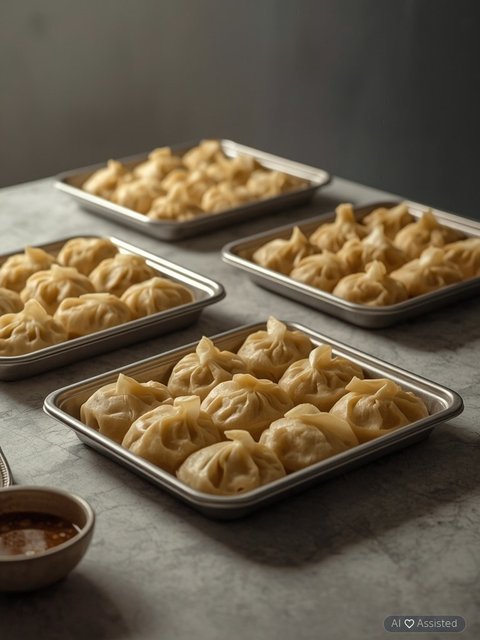
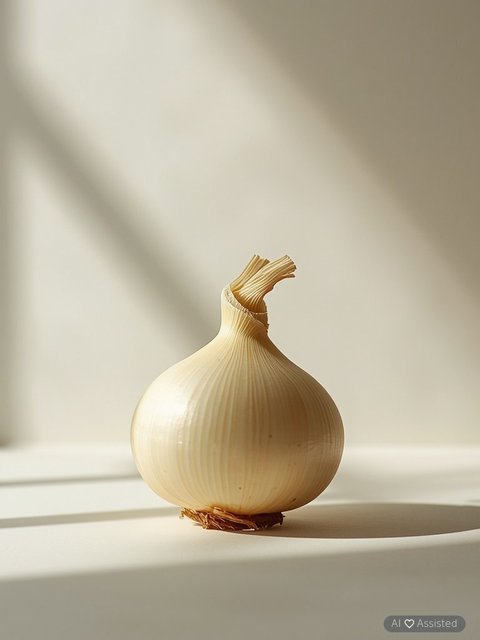
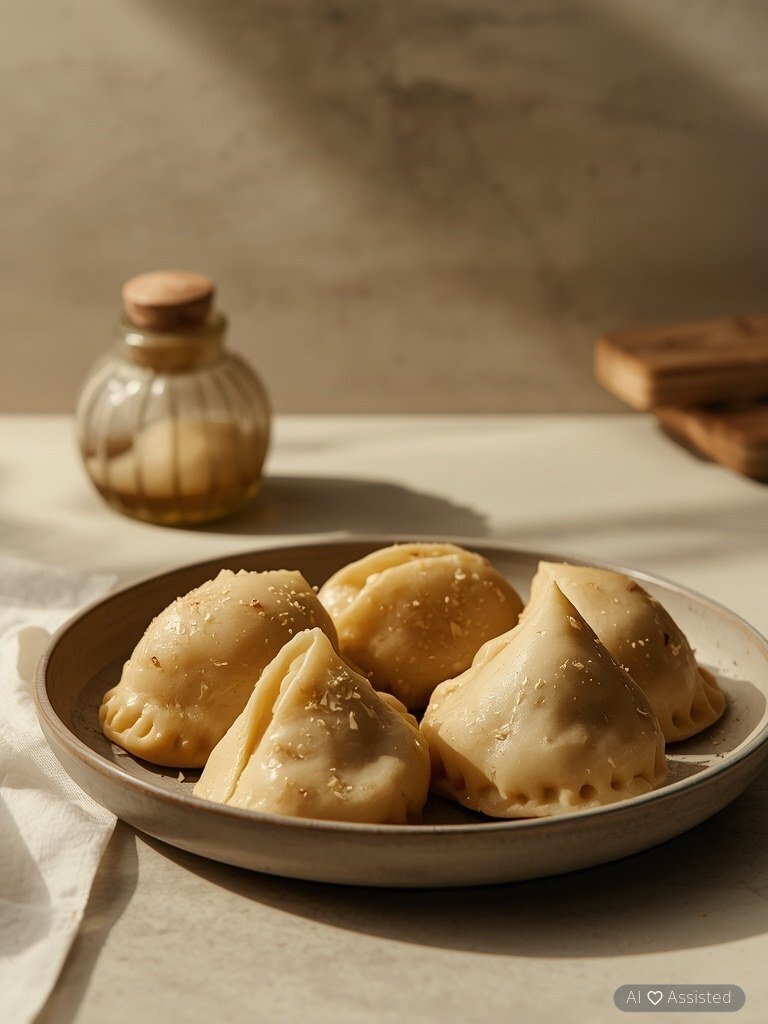
Reinvented pierogies: flavorful, nutrient-dense, and wholesome – a contemporary take on a timeless classic!

| Diets Premium Expert Felix Weber | min read 2 min | Scientifically reviewed by a clinical dietitian 23.10.2026 |
Smart Voice
•Listen to the article content live
Pierogi, celebrated as a cornerstone of traditional culinary heritage, are conventionally made with refined wheat flour, calorie-dense fats, and elevated glycemic loads. Modern nutritional science reimagines this iconic dish, transforming pierogi into a wholesome, nutrient-dense meal packed with complex carbohydrates, high-biological-value protein, and essential micronutrients. Discover wholesome dough variations, functional fillings, and light finishing techniques.
Want to apply these guidelines in your daily diet?
Our smart diet generator creates a tailored meal plan in 3 minutes based on the recommendations in this article.
Whole-Grain Spelt and Buckwheat Doughs – Low-Glycemic Foundations
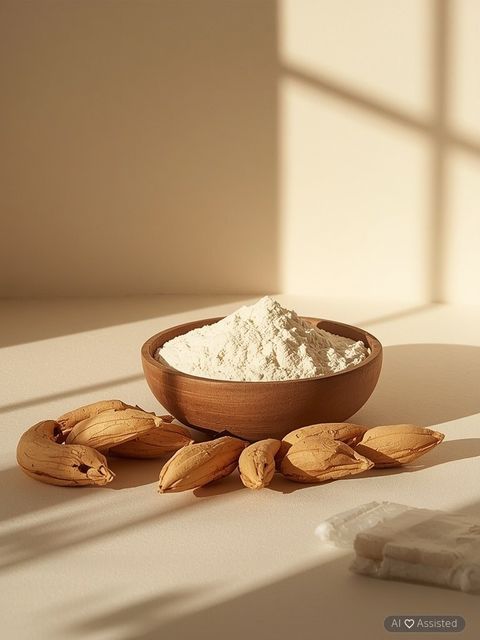
The foundation of modernized pierogi lies in substituting refined wheat flour with whole-grain spelt flour (type 1850) or buckwheat flour. Whole spelt features favorable lipid profiles and tender gluten structures that, when kneaded with warm water and extra virgin olive oil, yield supple, pliable dough. Buckwheat introduces vasoprotective rutin, soluble dietary fiber, and essential minerals, significantly flattening the postprandial glucose spike and sustaining extended satiety.
Functional Fillings: Lean Quark, Lentils, Broad Beans, and Baby Spinach
The macronutrient profile of pierogi is largely determined by filling composition. In an upgraded cottage cheese and potato recipe, starchy tubers can be partially blended with steamed cauliflower or celeriac puree, while full-fat curd is substituted with protein-rich lean quark seasoned with caramelized onions in cold-pressed rapeseed oil. Plant-based variations incorporating cooked brown lentils, broad beans, and fresh spinach deliver iron, dietary fiber, and folate for optimal metabolic vigor.
Cooking Techniques and Fat Reduction in Condiments
Historically, topping pierogi with melted lard and pork cracklings added 300–400 surplus kilocalories consisting of saturated fats. The modern culinary approach favors cooking pierogi al dente in gentle boiling water or steam, followed by serving them with a vibrant emulsion of low-fat Greek yogurt (2%), pressed garlic, finely chopped dill, and lemon zest. This dressing delivers probiotic cultures and calcium while reducing unnecessary lipid loads.
Pierogi in Athletic Nutrition – Macronutrient Balancing and Meal Timing
With complex carbohydrates from whole grains and high-quality protein from cottage cheese or pulses, modernized pierogi serve as an exceptional pre- or post-exercise meal. A standard plate of 6–8 whole-grain pierogi filled with quark and spinach yields approximately 350–420 kcal, 25 g of protein, 55 g of complex carbohydrates, and under 8 g of fat, rapidly replenishing glycogen stores and driving muscular recovery.

mgr Felix Weber
✓Diets Premium Expert
Diets Premium team expert. Specializes in nutrition plans, strength sports, and training plans.
View Profile →