Qualitative and Comparative Analysis of Store-Bought Pierogi Ruskie: Nutritional Evaluation and Consumer Guide

| Diets Premium Expert Anna Schmidt | min read 7 min | Scientifically reviewed by a clinical dietitian 23.10.2026 |
Smart Voice
•Listen to the article content live
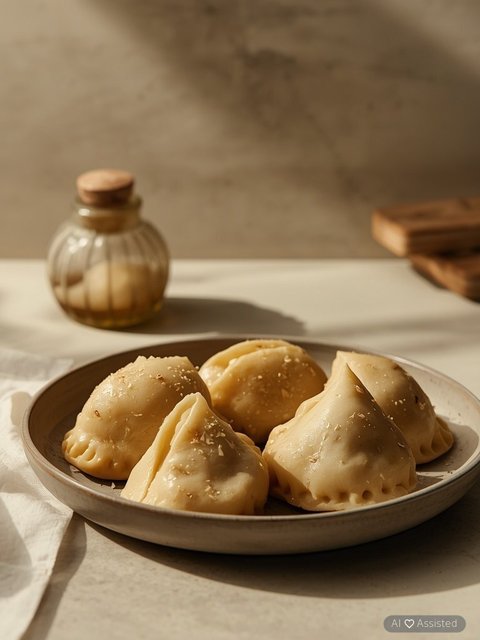
Pierogi ruskie are a quintessential cornerstone of Central European cuisine, maintaining enduring popularity among consumers seeking quick, satisfying meals. The expansion of the refrigerated convenience food sector has populated supermarket shelves with diverse store-bought dumpling brands displaying substantial variance in raw ingredient quality, dough-to-filling ratios, and nutritional density. From an evidence-based dietetic standpoint, commercially prepared pierogi can either provide a wholesome carbohydrate-protein foundation or represent an ultra-processed source of rapid glycemic spikes and hidden saturated fats. This comprehensive guide evaluates ingredient integrity, macronutrient architecture, and practical consumer selection criteria.
Want to apply these guidelines in your daily diet?
Our smart diet generator creates a tailored meal plan in 3 minutes based on the recommendations in this article.
This article is professional premium content (PRO) provided in its entirety.
Traditional Pierogi Ruskie Recipe vs. Industrial Convenience Food
The authentic culinary formulation of pierogi ruskie relies on an unadulterated dough of wheat flour, warm water, and salt, enveloping a filling of freshly boiled potatoes, authentic curd cheese (twaróg), and slowly caramelized onions seasoned with black pepper. In traditional home cooking, the cheese-to-potato ratio stands at 1:1 or at least 1:2, ensuring robust dairy flavor, distinct texture, and favorable nutritional density. In large-scale industrial manufacturing, this equilibrium is frequently distorted: curd cheese, representing the costliest component, is often marginalized to a nominal fraction of the interior filling.
Ingredient Scrutiny: Potato Flakes, Fillers, and Preservatives
A prevalent industrial practice in low-cost convenience pierogi involves replacing fresh boiled potatoes with rehydrated dehydrated potato flakes, alongside modified food starches, isolated plant fibers (wheat or bamboo fiber), and semolina acting as inexpensive water binders. While reducing manufacturing overhead, these substitutions strip the filling of natural texture and micronutrients. Additionally, lower-tier commercial formulations introduce hydrogenated vegetable fats (palm oil), flavor enhancers like monosodium glutamate (MSG), and chemical preservatives (potassium sorbate E 202, sodium diacetate) to extend shelf life. High-grade convenience pierogi feature clean labels devoid of synthetic texturizers and artificial additives.
Macronutrient Profile: Curd Protein Quality, Lipid Fractions, and Glycemic Dynamics
The nutritional breakdown of commercial pierogi ruskie typically ranges from 160 to 220 kcal per 100 grams, rendering a typical dinner portion (300–400 g) roughly 500 to 850 kcal before garnishes. Carbohydrates predominate the macronutrient profile (30–38 g per 100 g), contributed jointly by wheat endosperm flour and potato starches. From a clinical perspective, the molecular nature of this starch is critical: ultra-processed reconstituted potato flakes undergo rapid enzymatic amylolysis, eliciting steep postprandial glucose excursions and a high glycemic index (GI 70–75). Conversely, dumplings prepared with real boiled potatoes and substantial curd cheese exhibit a moderate glycemic index (GI 50–55).
Protein density averages between 4 and 8 g per 100 g, dictated strictly by the proportion of genuine curd cheese. Dairy curd provides complete protein featuring high biological value, dense in essential branched-chain amino acids (notably leucine) and slow-digesting casein that sustains amino acid release. Lipid content ranges from 2 to 6 g per 100 g; high-tier products feature native milk lipids from whole or semi-skimmed curd and butter, whereas lower-grade varieties introduce refined saturated oils. A favorable ratio of protein to carbohydrates attenuates gastric emptying, blunting glycemic spikes and extending postprandial satiety.
Market Comparison and Criteria for Choosing Healthier Store Brands
When selecting refrigerated pierogi in the retail aisle, health-conscious consumers should evaluate three objective quality benchmarks. First, inspect the filling-to-dough ratio: superior convenience brands maintain a filling proportion of at least 45% to 55%. Second, examine the ingredient ranking within the filling: curd cheese (twaróg) must appear in the top two positions alongside real potatoes, rather than trailing behind texturizing starches. Third, confirm a clean label: the absence of palm oil, monosodium glutamate, synthetic aroma extracts, and chemical preservatives reflects superior product craftsmanship. Opt for brands characterized by thin dough and pronounced onion-pepper seasoning.
Healthier Serving Strategies: Balanced Accompaniments, Cooking Methods, and Satiety
Traditional serving habits featuring generous ladles of rendered pork cracklings, lard, or melted butter can add 300 to 400 kcal of pro-inflammatory saturated fats to an already carb-rich meal. To convert pierogi into a balanced, health-promoting lunch, cook them gently in boiling water or steam them rather than deep-frying. Replace heavy pork toppings with a dollop of Greek yogurt or skyr, caramelized onions prepared in extra virgin olive oil, and a generous side of fresh raw salad (such as sauerkraut, grated carrot, or mixed greens). Vegetable fiber significantly mitigates the postprandial glycemic surge, while fermented kraut introduces organic acids that support digestion.
Tags

Anna Schmidt
✓Diets Premium Expert
Diets Premium team expert. Specializes in nutrition plans, strength sports, and training plans.
View Profile →