The 10 Most Surprising and Extreme Dishes

| Diets Premium Expert Lena Bauer | min read 6 min | Scientifically reviewed by a clinical dietitian 23.10.2026 |
Smart Voice
•Listen to the article content live
Want to apply these guidelines in your daily diet?
Our smart diet generator creates a tailored meal plan in 3 minutes based on the recommendations in this article.
This article is professional premium content (PRO) provided in its entirety.
Hákarl – Fermented Greenland Shark from Iceland
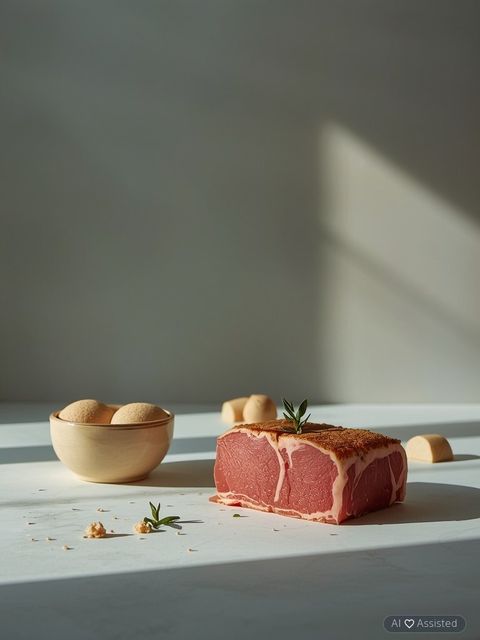
Hákarl is an iconic Icelandic specialty made from Greenland shark meat. In its fresh state, the meat is poisonous due to high concentrations of urea and trimethylamine oxide. To make it edible, the carcass is buried in gravelly trenches for 6 to 12 weeks to press out fluids through natural fermentation, followed by hanging in curing sheds for several months. Characterized by an overpowering ammonia aroma, it is traditionally sampled in small cubes alongside Brennivín schnapps.
Casu Marzu – Sardinian Rotten Sheep's Milk Cheese with Live Maggots
Casu Marzu, meaning 'rotten cheese', originates in Sardinia as an altered form of Pecorino. Cheese skipper fly larvae (Piophila casei) are deliberately introduced, whose digestive enzymes break down milk lipids into an ultra-soft, weeping paste. Local tradition dictates consuming the cheese while the translucent larvae are alive, as dead maggots indicate spoilage. Banned commercially across the European Union on hygiene grounds, it endures as an artisanal subterranean delicacy.
Balut – Fertilized Duck Embryo Egg from Southeast Asia
Balut is a ubiquitous street food across the Philippines, Vietnam, Cambodia, and Laos. It consists of a fertilized duck egg incubated for 14 to 21 days before being hard-boiled. Inside lies a partially developed avian embryo with visible beak, feathers, and cartilage. Eaten straight from the shell with a dash of salt, chili, or spiced vinegar, diners first sip the flavorful amniotic broth before consuming the embryo, valued locally as a potent protein source and aphrodisiac.
Surströmming – Fermented Baltic Sea Herring from Sweden
Surströmming is a historic Swedish culinary staple dating back to the 16th century when salt shortages prompted light brining. Baltic herrings are fermented in wooden barrels before canning, where bacterial activity produces gases that bulge the tin. Opening a can unleashes a pungent wave of hydrogen sulfide and butyric acid, which is why cans are traditionally punctured outdoors underwater. The fish is sliced thin and served on flatbread (tunnbröd) with potatoes, red onions, and sour cream.
Fugu – Deadly Pufferfish of Japanese Haute Cuisine
Fugu (pufferfish) represents one of the most perilous gastronomic experiences in Japanese cuisine. Its liver, ovaries, and skin contain tetrodotoxin, a lethal neurotoxin over 1,000 times more potent than cyanide with no known clinical antidote. Only rigorously licensed chefs who undergo years of specialized apprenticeships are legally permitted to prepare it. Sliced into paper-thin translucent sashimi (fugu sashi), the meticulously handled flesh delivers a mild taste accompanied by a subtle tingle on the lips.
Kopi Luwak – Civet-Digested Luxury Coffee from Indonesia
Originating in Sumatra, Java, and Bali, Kopi Luwak is produced from coffee cherries ingested by the Asian palm civet (Paradoxurus hermaphroditus). The animal selects only the ripest cherries. Inside its gastrointestinal tract, digestive enzymes and lactic acid bacteria break down coffee storage proteins, mitigating natural bitterness and imparting a velvety, chocolaty, and earthy complexity upon roasting.
San-nakji – Freshly Cut Live Octopus from South Korea
San-nakji consists of a small octopus freshly butchered and plated while its muscular nerve cords continue firing reflexes, causing the tentacles to squirm actively. Drizzled with toasted sesame oil and seeds, the dish demands vigorous chewing. Because the tentacular suckers maintain active suction post-mortem, they can adhere to the oral cavity or pharynx, posing a documented choking hazard if swallowed carelessly.
Bird's Nest Soup – Saliva Nests in Imperial Chinese Cuisine
Among the most coveted luxuries in Chinese culinary history, Bird's Nest Soup is made from the nests of cave-dwelling swiftlets. Instead of twigs, these birds construct their nests entirely from gelatinous saliva strands rich in epidermal growth factor (EGF) and sialic acid. Dissolved in delicate broths, the rehydrated nest adopts an exquisite gelatinous texture celebrated in traditional medicine for cellular rejuvenation and pulmonary support.
Escamoles – Ant Larvae Caviar of Central Mexico
Referred to as 'Mexican caviar', Escamoles are the edible pupae and larvae of giant velvety tree ants (Liometopum apiculatum) harvested from the underground root systems of agave and nopal plants. Revered since Aztec times, harvesting them requires navigating aggressive biting ant colonies. Lightly sautéed in butter with epazote, shallots, and green chili, they feature a delicate, nutty, and buttery mouthfeel.
Fried Tarantulas (A-ping) – Crispy Arachnid Snack from Cambodia
In the Cambodian market town of Skuon, fried palm-sized tarantulas (known as A-ping) are a celebrated culinary attraction. While insect and arachnid consumption spiked during food shortages under the Khmer Rouge, it has evolved into a beloved delicacy. Marinated in sugar, salt, and garlic, the spiders are deep-fried whole. The legs offer a crispy, savory crunch, while the abdomen contains an earthy, protein-dense filling.

Lena Bauer
✓Diets Premium Expert
Diets Premium team expert. Specializes in nutrition plans, strength sports, and training plans.
View Profile →