5 min read

What Does Tropical Fruit <em>Guava</em> Taste Like? – Growing, Costs, and Where to Buy

Alicja Kowalska
Alicja Kowalska ✓
Diets Premium Expert • 25.09.2026
✓
Scientifically reviewed by a clinical dietitian: This article has been peer-reviewed for adherence to IŻŻ, WHO, and PTGiP clinical nutritional standards.
Diets Premium Expert Alicja Kowalska min read 5 min Scientifically reviewed by a clinical dietitian 25.09.2026
What Does Tropical Fruit <em>Guava</em> Taste Like? – Growing, Costs, and Where to Buy

Smart Voice

•

Listen to the article content live

0:00 / 0:00
Key Takeaways
The use of traditional products for medical purposes is becoming increasingly popular in Poland and around the world. With the progress of civilization, we receive information about plants and spices that have an extremely beneficial impact on our health. One such plant is the tropical guava, which has exceptional medicinal properties. Read this article to learn about its valuable properties, cultivation methods, and costs.
Meal Plan

Want to apply these guidelines in your daily diet?

Our smart diet generator creates a tailored meal plan in 3 minutes based on the recommendations in this article.

Common guava – a tropical nutritional and medicinal powerhouse with evidence-based benefits

Common guava (*Psidium guajava* L.) is a tropical plant deeply rooted in traditional medicine, particularly among Asian populations, where it has been historically valued both as a dietary staple and a therapeutic agent. Thriving exclusively in tropical climates, this botanical species has undergone extensive scientific scrutiny, with its health-promoting properties meticulously documented across numerous studies. Owing to its exceptional nutritional density—marked by an unparalleled concentration of vitamin C (fourfold that of oranges), provitamin A, folic acid, dietary fiber, and essential minerals such as iron, manganese, potassium, and copper—guava is frequently categorized among *superfoods*, a designation reserved for foods with extraordinary nutritional benefits. Its medicinal applications span a wide spectrum of conditions, including gastrointestinal infections (of bacterial and viral origin), malaria, respiratory disorders, oral and periodontal inflammation, dermatological ailments, type 2 diabetes, cardiovascular diseases (notably hypertension), and certain malignancies—particularly lung and gastric cancers. Additionally, extracts derived from guava leaves and fruit demonstrate the capacity to mitigate antimicrobial resistance, rendering them a valuable adjunct in the treatment of infectious diarrhea. The plant also plays a pivotal role in combating malnutrition by facilitating the normalization of hemoglobin levels in deficient individuals. In Polynesian traditional medicine (e.g., Tahitian practices), guava has been employed for generations in gynecological care—alleviating menstrual pain, preventing miscarriages, managing uterine hemorrhage, and delaying preterm labor. Beyond human applications, guava is utilized in veterinary medicine as a supplementary dietary component for animals.

Guava cultivation – a comprehensive guide for diverse soils and climatic adaptations

Beyond its exceptional nutritional and medicinal properties, the guava plant is distinguished by its remarkably flexible cultivation requirements, which are considered among the most accessible for tropical fruit species. This adaptable plant thrives in a wide array of soil types—ranging from sandy to clay-rich compositions—and demonstrates resilience across diverse climatic conditions, from humid equatorial zones to temperate subtropical regions. Owing to its extensive commercial significance, guava orchards span the entirety of the Indian subcontinent, with the most prominent cultivation hubs located in states such as Andhra Pradesh, Assam, Bihar, Maharashtra, Uttar Pradesh, and West Bengal. Additionally, its natural distribution extends from southern Mexico through to the northern reaches of South America. While open-field cultivation in European climates remains impractical, guava can be successfully grown indoors as a potted plant, utilizing seeds either extracted from mature fruit or sourced from online suppliers.

Guava – a tropical fruit with distinctive flavor and unique sensory characteristics

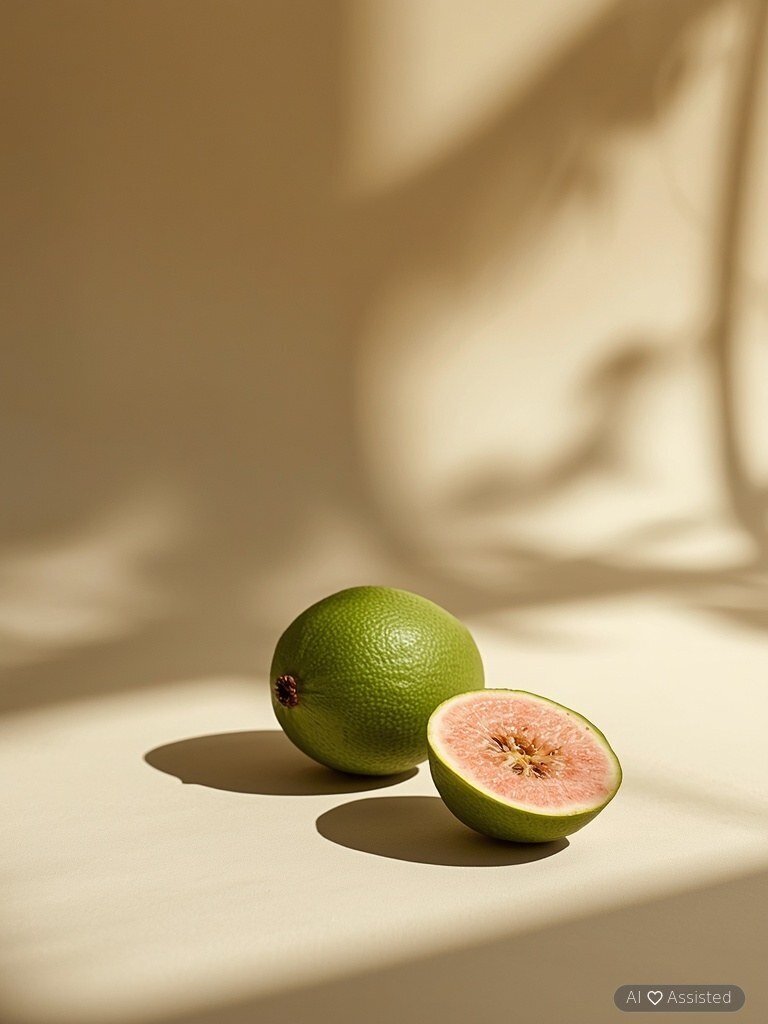
The outer peel of the guava, while entirely edible, exhibits a mildly tart flavor profile that may not appeal to all palates. Inside, the fruit reveals a soft, pale-colored pulp interspersed with tiny, firm seed-like structures—commonly (though inaccurately) referred to as "seeds." Its taste leans toward the subtly sweet rather than overtly sugary, evoking comparisons to the delicate nuances of a ripe pear, both in its aromatic qualities and its slightly granular mouthfeel. Guava excels as a refreshing standalone snack when consumed raw, yet it also serves as an intriguing complement to fruit salads, enhancing their flavor complexity. Equally versatile, it can be incorporated into nutrient-dense smoothies, desserts, or homemade preserves, lending an intense, fruity depth to culinary creations.

It is worth noting, however, that guava is a relatively calorie-dense fruit—just 100 grams provide approximately 68 kilocalories to the diet. Furthermore, its elevated glycemic index, reaching 78, may raise concerns among individuals managing blood glucose levels. Despite this, due to its rich fiber content and nutritional density, guava is occasionally included in balanced dietary regimens for individuals with diabetes, provided that portion sizes are moderated and consumption is overseen by a healthcare professional.

Guava: Current Pricing, Reliable Purchase Sources, and Selection Criteria for Ripe Fruit

Encountering fresh guava in retail stores is an uncommon occurrence, which makes it essential to understand how to properly assess its quality when the opportunity arises. The most reliable indicators of ripeness include a pronounced, fragrant aroma and a skin that yields slightly to gentle pressure—excessively soft specimens indicate overripeness, whereas firm, odorless ones remain unripe. It is critical to avoid any fruit displaying visible blemishes, bruising, or mechanical damage. The skin’s hue varies significantly depending on the specific cultivar. Regarding processed guava products, the juice is commercially available online at an average price range of 18 to 22 złoty per 0.5-liter bottle. Meanwhile, a syrup with a volume of approximately 0.7 liters retails for around 30 złoty, while the fruit pulp in a 0.5-kilogram package commands a higher price of roughly 35 złoty, positioning it as the most expensive form of consuming this tropical fruit.

Guava leaves: a multifaceted botanical remedy with extensive therapeutic potential

Guava leaves, in common with other components of this tropical plant, exhibit a remarkably broad spectrum of scientifically validated health-promoting properties. Of particular clinical significance is their demonstrated nephroprotective capacity, manifested through the regulation of key biochemical markers—specifically, the reduction of blood urea nitrogen levels alongside the normalization of creatinine, sodium, and urine creatine concentrations. In diabetic patients, these leaves play a crucial protective role by mitigating the progression of diabetic nephropathy. Furthermore, the bioactive constituents present in guava foliage contribute to the stabilization of hepatic biomarkers in cases of acute liver injury, suggesting potential adjunctive therapeutic applications in hepatological disorders. Extensive research has additionally confirmed their immunomodulatory capabilities and analgesic effects, which prove particularly beneficial in alleviating rheumatic complaints—most notably in rheumatoid arthritis. This pain-relieving action is intrinsically linked to their potent anti-inflammatory properties, which represent the primary mechanism underlying their therapeutic efficacy. The leaves' rich phytochemical composition—encompassing saponins, flavonoids, and phenolic compounds—has been shown to inhibit digestive enzyme activity, thereby presenting promising avenues for their use as supportive agents in obesity management and metabolic syndrome-related conditions such as type 2 diabetes and hypertension. In summary, guava transcends its status as a mere culinary fruit to emerge as a valuable source of bioactive compounds with substantial therapeutic potential in both the prevention and treatment of chronic diseases. While its cultivation in domestic settings is relatively straightforward—though limited to indoor environments in temperate climates—it is essential to note that the fruit itself possesses a high caloric density and glycemic index, necessitating cautious consumption, particularly among individuals with impaired glucose metabolism.
Alicja Kowalska

Alicja Kowalska

✓

Diets Premium Expert

Diets Premium team expert. Specializes in nutrition plans, strength sports, and training plans.

View Profile →
Recommended articles in this category

Related Articles

Discover similar publications and expert insights.

GAC – Characteristics and Uses of the Gourd Family Fruit
Seeds
GAC – Characteristics and Uses of the Gourd Family Fruit
⏱ 3 min czytania
#Seeds #Tropical
Papaya (Carica papaya) – Nutritional Properties, Papain Enzyme Activity, and Culinary Applications
Food & Ingredients
Papaya (Carica papaya) – Nutritional Properties, Papain Enzyme Activity, and Culinary Applications
⏱ 4 min czytania 📚 Food & Ingredients
#Nutritional Properties #Essential Nutrients
The tropical fruit known as *Mangifera indica* – nutritional benefits and ripening guide
Fruits
The tropical fruit known as *Mangifera indica* – nutritional benefits and ripening guide
⏱ 2 min czytania 📚 Fruits
#Nutritional Benefits #Bioactive Compounds
Avocado Cultivated in the Warm Regions of Central and South America
Fatty Acids
Avocado Cultivated in the Warm Regions of Central and South America
⏱ 3 min czytania
#Fatty Acids #Avocado
Dragon fruit (pitaya) - properties, application, flavor
Strawberry
Dragon fruit (pitaya) - properties, application, flavor
⏱ 3 min czytania
#Strawberry #Superfood
Mango – nutritional calorie value, vitamin composition, and weight-management benefits: A comprehensive guide to identifying ripe fruit and proper harvesting techniques
Fruits
Mango – nutritional calorie value, vitamin composition, and weight-management benefits: A comprehensive guide to identifying ripe fruit and proper harvesting techniques
⏱ 4 min czytania 📚 Fruits
#Nutritional Value #Caloric Content
Oranges: Nutritional Profile, Micronutrients, Caloric Density, Glycemic Index, and Culinary Applications
Pregnancy & Motherhood
Oranges: Nutritional Profile, Micronutrients, Caloric Density, Glycemic Index, and Culinary Applications
⏱ 3 min czytania 📚 Pregnancy & Motherhood
#Essential Oils #Asian
Holistic Approaches to Combating Atherosclerosis: Dietary Modifications, Herbal Remedies, and Lifestyle Adjustments as Pharmacotherapy Alternatives
Nutritional Science
Holistic Approaches to Combating Atherosclerosis: Dietary Modifications, Herbal Remedies, and Lifestyle Adjustments as Pharmacotherapy Alternatives
⏱ 6 min czytania 📚 Nutritional Science
#Scientific Research On Diet #Cardiovascular Health
Butea Monosperma - Benefits of the Tropical Climate
Tropical
Butea Monosperma - Benefits of the Tropical Climate
⏱ 2 min czytania
#Tropical #Tropical Plants
Can Fruit and Vegetable Snacks Be a Healthy Alternative to Traditional Chips?
Traditional
Can Fruit and Vegetable Snacks Be a Healthy Alternative to Traditional Chips?
⏱ 3 min czytania
#Traditional #Vegetable
Chickpea Flour (Besan) – Nutritional Value, Plant Protein, Culinary Uses, and Tested Recipes
Food Science
Chickpea Flour (Besan) – Nutritional Value, Plant Protein, Culinary Uses, and Tested Recipes
⏱ 5 min czytania 📚 Food Science
#Gluten-free Alternatives #Nutritional Properties
Traditional Plum Butter (Powidła): Artisanal Preparation, Nutritional Profile, and Culinary Uses
Sugar Content
Traditional Plum Butter (Powidła): Artisanal Preparation, Nutritional Profile, and Culinary Uses
⏱ 3 min czytania
#Sugar Content #Simple Sugar
The distinctive properties of quince extend far beyond its conventional culinary applications
Culinary Uses
The distinctive properties of quince extend far beyond its conventional culinary applications
⏱ 2 min czytania
#Culinary Uses #Traditional
Lapacho (Pau d'Arco): Medicinal Properties of Bark, Bioactive Naphthoquinones, and Safe Clinical Use
Nutritional Science
Lapacho (Pau d'Arco): Medicinal Properties of Bark, Bioactive Naphthoquinones, and Safe Clinical Use
⏱ 3 min czytania 📚 Nutritional Science
#Medicinal Plant Applications #Botanical Applications
Effective Methods to Boost Potency – Nutrients, Fruits, Diet, Medicinal Plants. How to Boost Potency?
Nutrition
Effective Methods to Boost Potency – Nutrients, Fruits, Diet, Medicinal Plants. How to Boost Potency?
⏱ 4 min czytania 📚 Nutrition
#Nutrition #Medicinal Plants
Turmeric (Curcuma longa): nutritional profile, mechanisms of action, piperine synergy, and functional culinary applications
Food & Ingredients
Turmeric (Curcuma longa): nutritional profile, mechanisms of action, piperine synergy, and functional culinary applications
⏱ 4 min czytania 📚 Food & Ingredients
#Bioactive Compounds In Plants #Anti-inflammatory Compounds
Norwegian cuisine: Arctic culinary heritage, coastal bounty, and authentic recipes
Natural Ingredients
Norwegian cuisine: Arctic culinary heritage, coastal bounty, and authentic recipes
⏱ 4 min czytania
#Natural Ingredients #Traditional Dishes
Pomegranate Fruits
Tropical Fruits
Pomegranate Fruits
⏱ 3 min czytania
#Tropical Fruits #Seeds
Graviola – Properties, Capsules, Graviola Juice, Price, Reviews
Tropical Fruits
Graviola – Properties, Capsules, Graviola Juice, Price, Reviews
⏱ 5 min czytania
#Tropical Fruits #Juice
Cherimoya (Custard Apple): Properties, Nutritional Profile, and How to Eat
Tropical Fruits
Cherimoya (Custard Apple): Properties, Nutritional Profile, and How to Eat
⏱ 3 min czytania
#Tropical Fruits #Strawberries
Proper Food Storage – Refrigerator Temperature Zoning, Cross-Contamination Prevention, and Chilling-Sensitive Foods
Food Storage
Proper Food Storage – Refrigerator Temperature Zoning, Cross-Contamination Prevention, and Chilling-Sensitive Foods
⏱ 3 min czytania
#Food Storage #Food Quality
Mango: Nutritional properties, its role in weight-loss diets, and practical methods for preparation and consumption in everyday cooking
Fruits
Mango: Nutritional properties, its role in weight-loss diets, and practical methods for preparation and consumption in everyday cooking
⏱ 6 min czytania 📚 Fruits
#Nutritional Properties #Bioactive Compounds
Avocado oil – nutritional composition, health-promoting properties, and applications in culinary arts and skincare
Polyunsaturated Fatty Acids
Avocado oil – nutritional composition, health-promoting properties, and applications in culinary arts and skincare
⏱ 4 min czytania
#Polyunsaturated Fatty Acids #Nutritional Composition
Is apple cider vinegar beneficial for health? Potential side effects of apple cider vinegar
Culinary Ingredient
Is apple cider vinegar beneficial for health? Potential side effects of apple cider vinegar
⏱ 3 min czytania
#Culinary Ingredient #Apple Cider Vinegar
Unveiling the world’s culinary treasures through geography: how the globe inspires gastronomic creativity
Food Science
Unveiling the world’s culinary treasures through geography: how the globe inspires gastronomic creativity
⏱ 3 min czytania 📚 Food Science
#Tropical Fruits
Sugarcane (Saccharum officinarum) – Properties, Fresh Cane Juice, Nutrition, and Health Impacts
Tropical
Sugarcane (Saccharum officinarum) – Properties, Fresh Cane Juice, Nutrition, and Health Impacts
⏱ 2 min czytania
#Tropical
Impact, application, and allergic reactions to the ordinary gourd
Health
Impact, application, and allergic reactions to the ordinary gourd
⏱ 3 min czytania 📚 Health
#Vegetables #Tropical
Moment for Sage!
Tropical
Moment for Sage!
⏱ 3 min czytania
#Tropical
Tropical diseases - Leishmaniasis, Rickettsioses and exotic worms
Tropical
Tropical diseases - Leishmaniasis, Rickettsioses and exotic worms
⏱ 4 min czytania
#Tropical
Derivatives of Coconut Meat and Water: Kernel, Milk, Oil, Butter, and Liquid Endosperm – Clinical Characteristics and Uses
Rich In Nutrients
Derivatives of Coconut Meat and Water: Kernel, Milk, Oil, Butter, and Liquid Endosperm – Clinical Characteristics and Uses
⏱ 5 min czytania
#Rich In Nutrients #Clarified Butter

Share