Chickpea Flour (Besan) – Nutritional Value, Plant Protein, Culinary Uses, and Tested Recipes

| Diets Premium Expert Alicja Kowalska | min read 5 min | Scientifically reviewed by a clinical dietitian 23.10.2026 |
Smart Voice
•Listen to the article content live
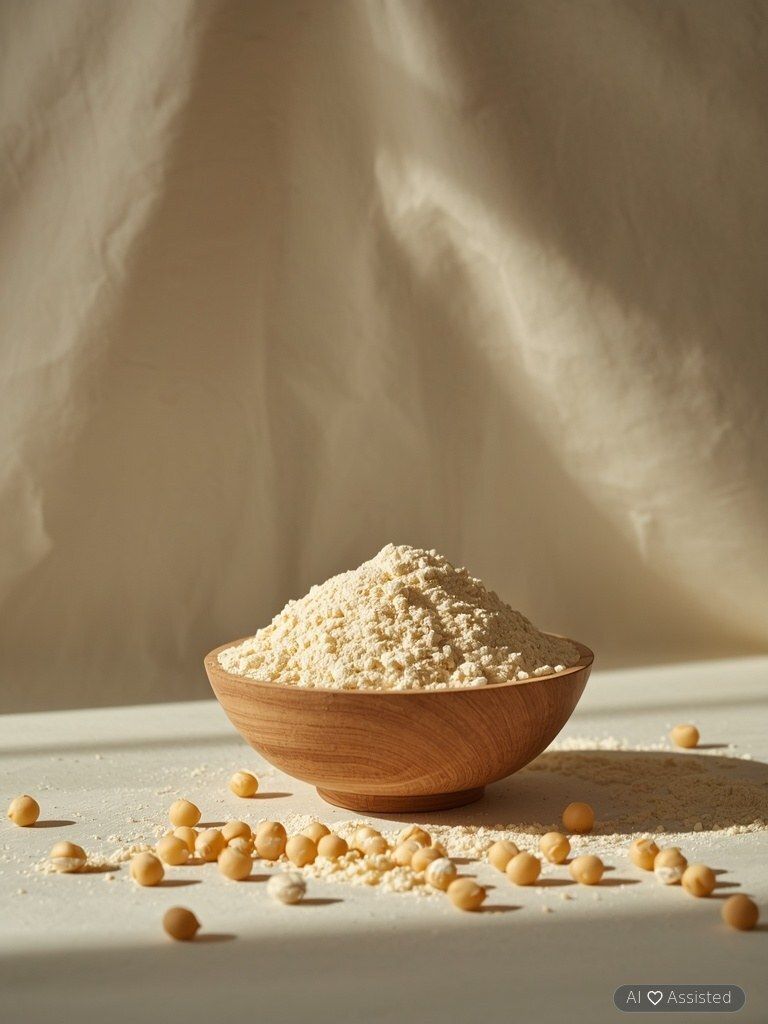
Chickpea flour, termed besan or gram flour in Indian gastronomy and forming the foundation of Mediterranean socca and farinata, is among the most nutrient-dense gluten-free flours available. Milled from dried chickpeas (Cicer arietinum), it packs an impressive 22% complete plant protein, copious dietary fiber, and a low glycemic index (GI = 35). Its inherent viscoelastic binding properties make it an unmatched plant-based egg substitute in vegan culinary arts.
Want to apply these guidelines in your daily diet?
Our smart diet generator creates a tailored meal plan in 3 minutes based on the recommendations in this article.
What is Chickpea Flour and How It Is Produced
Chickpea flour is typically milled from two botanical cultivar streams:
- Kabuli chickpea flour – prevalent in Europe and the Americas; creamy pale yellow, with a delicate, nutty, rounded aroma.
- Besan / Chana dal flour (Desi cultivar) – authentic Indian gram flour ground from split, dehulled, toasted brown chickpeas, yielding ultra-fine texture and savory depth.
- Binding functionality – legumin proteins hydrate readily to form cohesive batters, permitting egg-free omelets and savory crepes.
Nutritional Value: Plant Protein, Iron, Folate, and Low Glycemic Index
A 100 g serving yields ~360–380 kcal with exceptional functional density:
- Plant protein (21–22 g) – outstanding concentration rich in lysine, supporting lean muscle mass.
- Prebiotic fiber (10–11 g) – enhances microbial short-chain fatty acid output and moderates serum lipids.
- Folate (Vitamin B9) – provides over 100% of daily reference intake, vital for preconception and hematopoiesis.
- Iron (~5 mg) and magnesium (~160 mg) – combats nutritional fatigue.
- Low glycemic index (GI = 35) – prevents insulin surges.
Market Pricing, Availability, and Storage Tips
Commercial accessibility and quality storage protocols:
- Pricing dynamics – retails affordably at €2.50 to €4.00 per kilogram in Asian markets and health stores.
- Storage guidelines – harboring ~6% natural lipids, store in hermetically sealed glass jars away from heat to forestall oxidation.
Tested Recipes: Mediterranean Socca (Farinata) and Vegan Omelet
Two exquisite culinary triumphs utilizing chickpea flour:
Traditional Mediterranean Socca / Farinata:
- Ingredients: 150 g chickpea flour, 350 ml lukewarm water, 3 tbsp extra virgin olive oil, 1/2 tsp sea salt, fresh rosemary needles, black pepper.
- Preparation: Whisk flour into water with salt and 1 tbsp oil; rest batter for at least 1–2 hours. Pre-heat an oiled cast-iron skillet at 230°C (450°F). Pour batter into sizzling pan and bake for 15–20 minutes until blistered and crisp.
Savory Vegan Omelet:
- Whisk 4 tbsp chickpea flour with 5 tbsp water, turmeric, scallions, and kala namak salt; pan-fry with cherry tomatoes and baby spinach.
Tags

Alicja Kowalska
✓Diets Premium Expert
Diets Premium team expert. Specializes in nutrition plans, strength sports, and training plans.
View Profile →