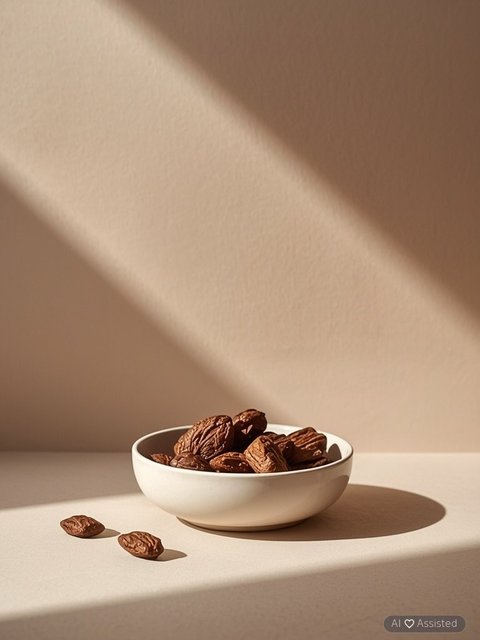
Pumpkin seed oil – nutritional characteristics, therapeutic applications, dosage guidelines, and its efficacy in combating parasitic infections

| Diets Premium Expert Laura Schneider | min read 6 min | Scientifically reviewed by a clinical dietitian 23.10.2026 |
Smart Voice
•Listen to the article content live
The pumpkin, with a cultivation history spanning 7000 years in what is now South America, served as a dietary cornerstone for pre-Columbian civilizations, most notably the Inca. Owing to its symbolic association with fertility and the prolongation of life, it was historically revered as "green gold" or an "elixir of immortality." In contemporary times, it remains an integral component of traditional medicinal systems across the globe, including Europe, Asia (particularly China), and the Indian subcontinent. Both pumpkin seeds and the oil extracted from them are distinguished by an exceptionally high concentration of bioactive nutrients, rendering them a valuable dietary supplement with a broad spectrum of health-promoting effects.
Want to apply these guidelines in your daily diet?
Our smart diet generator creates a tailored meal plan in 3 minutes based on the recommendations in this article.
This article is professional premium content (PRO) provided in its entirety.
Pumpkin seed oil – historical background and production
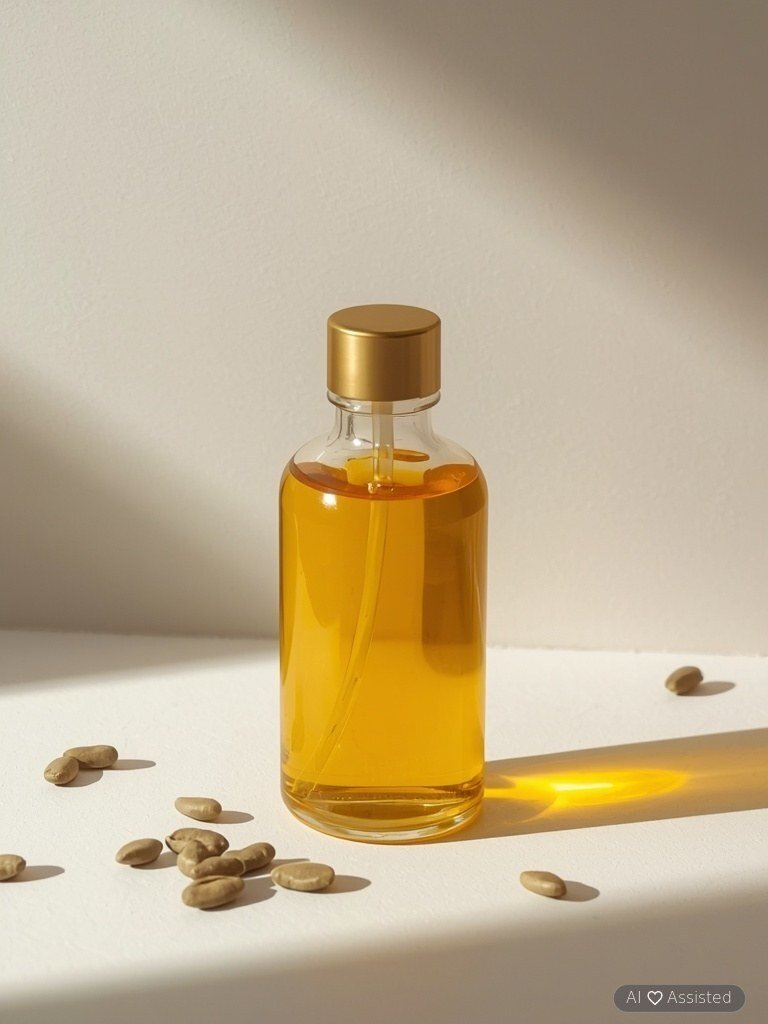
Pumpkin seeds (Cucurbitae semen), originating from native cultivation in the Americas over 7,000 years ago, have long served as essential culinary staples and traditional remedies. Indigenous peoples utilized the seeds for urinary complaints and parasitic infections. Today, cold-pressed pumpkin seed oil, particularly from the Styrian oil pumpkin (Cucurbita pepo var. styriaca), is renowned worldwide for its deep dichromatic dark-green and reddish hue, distinctive nutty aroma, and superior oxidative stability when processed without excessive thermal degradation.
Nutritional profile and bioactive properties of pumpkin seed oil
Pumpkin seed oil provides an exceptional concentration of vital bioactive nutrients. It is composed predominantly of polyunsaturated and monounsaturated fatty acids—notably linoleic acid (omega-6, 45–55%) and oleic acid (omega-9, 30–40%). Furthermore, it is exceptionally rich in natural delta-7-phytosterols, tocopherols (vitamin E isomers), carotenoids, selenium, and elemental zinc. These compounds act synergistically as potent biological antioxidants, scavenging reactive oxygen species, downregulating systemic low-grade inflammation, and supporting optimal cognitive performance through precursors like L-tryptophan.
Therapeutic applications: prostate, bladder, and cardiovascular support
In phytotherapy, pumpkin seed oil holds an established evidence-based role in managing benign prostatic hyperplasia (BPH stages I and II) and hyperactive bladder disorders. The delta-7-phytosterols and fatty acids inhibit 5-alpha-reductase, attenuating the conversion of testosterone into dihydrotestosterone (DHT) within prostate tissue. This action reduces urinary frequency, improves maximum urinary flow rates, and eases voiding discomfort. Concurrently, its healthy lipid composition improves vascular endothelial elasticity, optimizes serum lipid profiles, and supports dermatological healing in inflammatory acne.
Antiparasitic efficacy: the role of cucurbitacin
A well-documented traditional and scientific property of pumpkin seed extracts is their anthelmintic (antiparasitic) activity. The primary active component responsible is cucurbitacin, a biochemical triterpenoid. Cucurbitacin selectively paralyzes intestinal helminths—including tapeworms (Taenia), pinworms (Enterobius vermicularis), and roundworms (Ascaris lumbricoides)—by disrupting their neuromotor signaling without exerting systemic neurotoxicity upon the human host. Paralyzed parasites detach from the intestinal mucosa and are subsequently eliminated via natural peristalsis.
Dosage recommendations and practical administration
Cucurbitacin and the beneficial phytosterols are well-tolerated and do not irritate the gastrointestinal lining. For general preventative health and prostate maintenance, standard intake is 1 to 2 tablespoons (15–30 ml) of cold-pressed pumpkin seed oil daily, consumed with meals or drizzled raw over salads, soups, and vegetables. In targeted antiparasitic protocols, specialists frequently recommend consuming 1 teaspoon to 1 tablespoon approximately 30 minutes before breakfast on an empty stomach for several consecutive days, followed by a light fiber-rich meal to encourage complete intestinal clearance.
Tags

Laura Schneider
✓Diets Premium Expert
Diets Premium team expert. Specializes in nutrition plans, strength sports, and training plans.
View Profile →