Key Takeaways
Although the majority of individuals associate mustard with merely one application, that is, mustard production, its significance is considerably greater. It has been utilized as a raw material in medicine and gastronomy for a duration of 5,000 years, commencing from the era of ancient Greeks and Romans. Mustard has a multitude to offer.
Mustard: A Spice, Herb, and Medicinal Plant with Deep Historical Roots
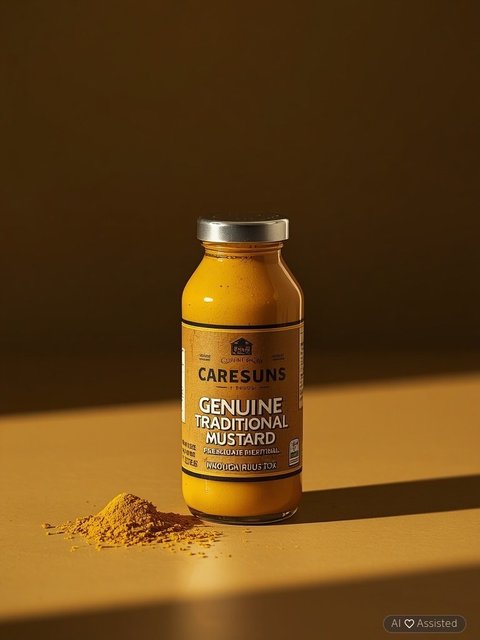
Mustard, scientifically classified under the *Brassica* genus within the Brassicaceae family, serves a dual role as both an indispensable culinary spice and a medicinal herb with a rich historical legacy. Its cultural significance is underscored by a multitude of legends, folkloric traditions, and the biblical Parable of the Mustard Seed—a metaphor for the transformative power of faith and the potential inherent in modest beginnings. Geographically, its origins trace back to the Mediterranean basin and southeastern Europe, regions from which it disseminated globally over time. Commercially, mustard is available in whole-seed form or as a finely ground powder, serving as the primary ingredient in the production of various mustard condiments, each distinguished by unique flavor profiles. Several key varieties exist—including white, brown, Sarepta, and black mustard—each characterized by distinct levels of pungency as well as specialized therapeutic properties. Beyond its culinary applications, mustard seeds yield an oil widely utilized in food manufacturing, cosmetics, and pharmaceutical formulations. Given this breadth of uses, mustard merits recognition not only as a gastronomic staple but also as a plant of substantial medicinal and historical value.
Mustard seeds – nutritional profile, glucosinolates, and therapeutic properties
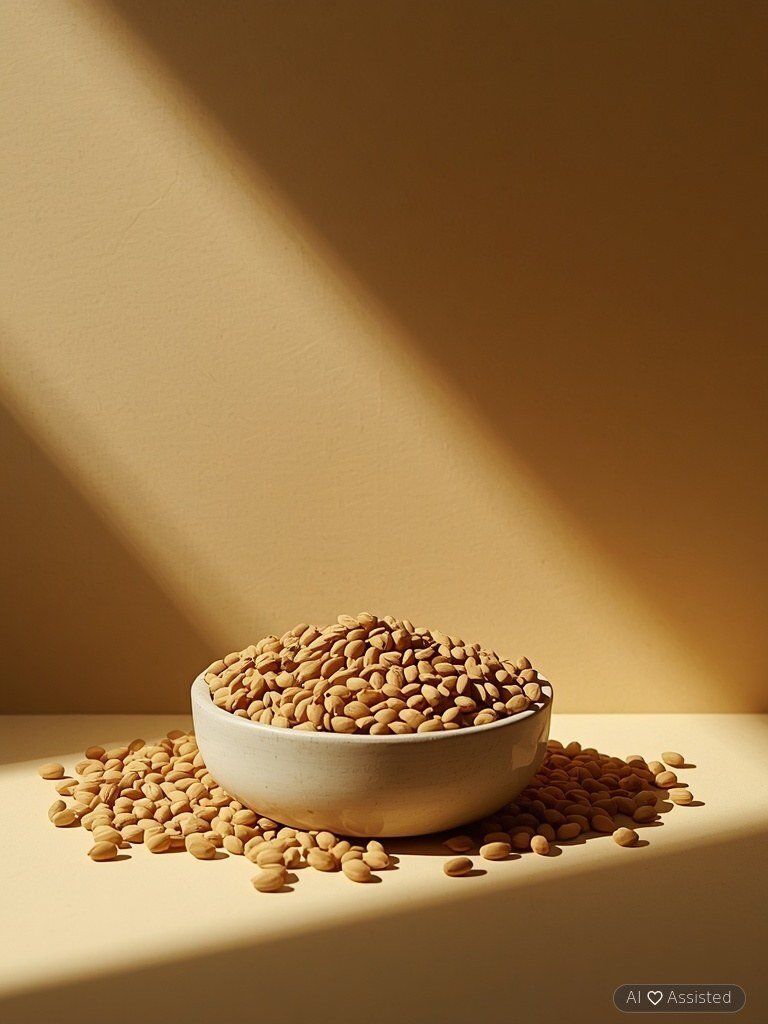
Mustard seeds (white mustard Sinapis alba, brown/Indian mustard Brassica juncea, and black mustard Brassica nigra) have been valued across civilizations for their dense array of essential nutrients, minerals, and bioactive phytonutrients. While energy-dense (100 g provides approximately 508 kcal), they are consumed in moderate culinary and therapeutic amounts. Whole seeds boast substantial protein content (27–35%), healthy plant lipids (25–40%, rich in omega-3 and omega-6 polyunsaturated fatty acids), and roughly 12 g of dietary fiber per 100 g.
Mustard seeds are an outstanding reservoir of B-complex vitamins (162 µg folates, 4.7 mg niacin, alongside thiamine, riboflavin, and pyridoxine), which serve as crucial coenzymes in cellular energy transfer and neuroprotection. They are richly endowed with potent antioxidants, including vitamin E (19.8 mg), vitamin C, vitamin K, and protective carotenoids (lutein, zeaxanthin, beta-carotene). Furthermore, their mineral density is remarkable, providing per 100 g: 370 mg magnesium, 266 mg calcium, 208 µg selenium, 9.2 mg iron, and over 6 mg zinc.
The hallmark pharmacological efficacy of mustard seeds stems from their sulfur-containing glucosinolates (predominantly sinigrin and sinalbin). Upon mechanical crushing and hydration, the endogenous enzyme myrosinase hydrolyzes glucosinolates into bioactive isothiocyanates (such as allyl isothiocyanate), which produce the pungent sensory aroma and exert pronounced antimicrobial, antifungal, and anti-inflammatory properties. Modern epidemiological and preclinical studies highlight the role of glucosinolates in mitigating oxidative carcinogenesis across gastrointestinal tissues. In botanical and complementary medicine, mustard seed poultices are traditionally deployed as effective rubefacients to stimulate local microcirculation and relieve rheumatic pain, arthritis, and neuralgias, while whole seeds promote bile secretion and healthy digestive transit.
Cold-pressed mustard seed oil: composition, industrial applications, and evidence-based therapeutic uses
Cold-extracted mustard seed oil represents a high-value botanical extract with multifaceted industrial and therapeutic applications. Its distinctive biochemical profile—comprising unsaturated fatty acids, phytosterols, and antioxidant compounds—positions it as a functional ingredient in food formulations, cosmetic products, and health-promoting preparations. Peer-reviewed research confirms its favorable effects on lipid metabolism and cardiovascular function, thereby attracting attention from both clinical nutritionists and practitioners of evidence-based complementary medicine.
A Step-by-Step Guide to Crafting Homemade Mustard with Customizable Heat Levels
Crafting homemade mustard is an remarkably straightforward process that demands neither extensive time nor advanced culinary expertise. The primary advantage of this approach lies in complete autonomy over the ingredient list—unlike commercial varieties, the final product will be free from artificial preservatives, excessive sugar, or unnecessary additives commonly found in mass-produced condiments. The flavor profile can be tailored to individual preferences, ranging from a subtle, smooth variant to a bold, fiery composition. The essential components include: **200 grams of mustard seeds** (with the option to blend white, brown, or black varieties for a nuanced aromatic depth), **half a cup of wine vinegar or apple cider vinegar** (which significantly influences both taste and texture), **half a cup of water**, **a pinch of sea salt**, and optional seasonings such as **ground paprika, freshly cracked black pepper, minced garlic, turmeric powder, or cumin seeds**. The seeds may be finely milled into a powder or left whole for a grainier texture. Once combined with the liquids, the mixture should be set aside for **approximately 24 hours**, allowing the seeds to absorb moisture fully. If the resulting paste is overly thick, water can be incrementally added while stirring until the desired consistency is achieved, followed by seasoning to taste. When stored in an airtight container and refrigerated, the mustard will retain its freshness for **at least 4–6 weeks**. It is worth noting that mustard—whether in seed or oil form—has been valued for centuries not only as a versatile culinary spice but also in **traditional medicine** (aiding digestion, alleviating respiratory and circulatory ailments) and **cosmetology** (strengthening hair and nourishing skin). Moderate, regular consumption may offer health benefits, making it a worthwhile addition to daily nutrition.