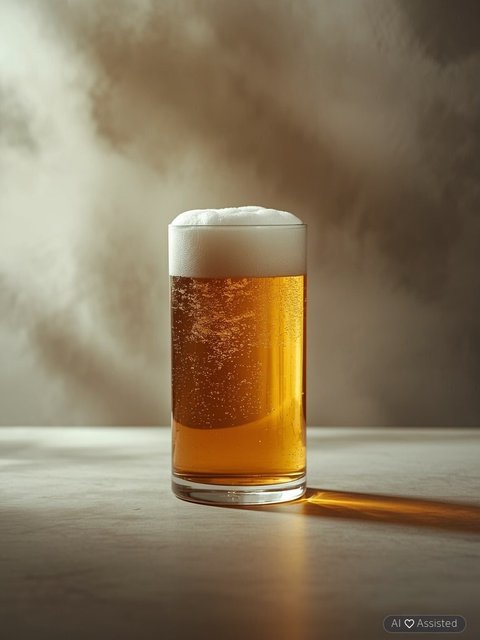
Beer as a fermented beverage – classification of types, diversity of varieties, and comprehensive manufacturing process from raw materials to finished product

| Diets Premium Expert Max Müller | min read 6 min | Scientifically reviewed by a clinical dietitian 23.10.2026 |
Smart Voice
•Listen to the article content live
Beer ranks among the most widely consumed alcoholic beverages globally, with a history tracing back to antiquity—the earliest documented evidence of its production dates to over 4000 years before the Common Era. Within the context of Polish history, the oldest written references to this drink emerge in archival records from the year 1414, though there is compelling evidence to suggest that its integration into local customs and culinary practices predates this period significantly, with the beverage already holding a pivotal position in the daily lives of contemporary communities.
Want to apply these guidelines in your daily diet?
Our smart diet generator creates a tailored meal plan in 3 minutes based on the recommendations in this article.
This article is professional premium content (PRO) provided in its entirety.
Classification of beer styles: color, original gravity, and yeast strains
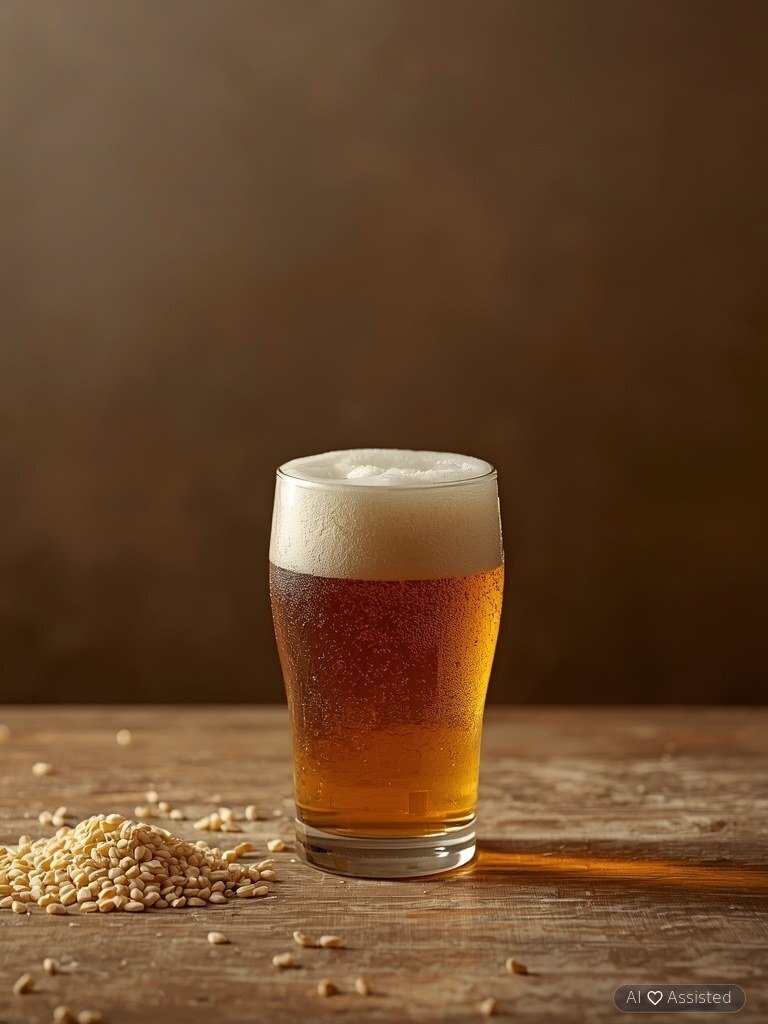
Due to their immense varietal breadth, beers are categorized along several fundamental brewing criteria. The most accessible visual distinction is color (pale versus dark beers), governed by the kiln drying temperatures of the malt. A vital technological metric is original gravity measured in degrees Balling (Blg) or Plato, delineating light session beers (5–10° Blg), full-bodied standard beers (10.1–15° Blg), and strong high-gravity brews (15.1–22° Blg). Biologically, styles are distinguished by yeast taxonomy into bottom-fermented lagers (7–13°C) and top-fermented ales, stouts, and wheat beers (15–25°C).
Brewing raw materials and the mashing process
The foundation of beer brewing is malted grain, produced in maltings through the controlled germination and kilning of barley or wheat. In the brewhouse, milled grist is combined with hot liquor in the mash tun. The mashing process relies on rigorous temperature rests during which endogenous amylases (alpha- and beta-amylase) convert grain starches into fermentable sugars (principally maltose) and unfermentable dextrins that impart body. Following saccharification, the mash is lautered to separate clear sweet wort from insoluble grain husks (spent grain).
Wort boiling, hop utilization, and biochemical fermentation phases
The sweet wort enters the brew kettle to boil vigorously for 60 to 90 minutes alongside hop additions. Boiling isomerizes bitter alpha acids, sterilizes the wort, and precipitates trub proteins. Following chilling and aeration (oxygen is vital for yeast cell membrane sterol synthesis), the wort is pitched with yeast. Primary fermentation advances through well-defined stages: the lag and initiation phase (10–15 h), low Kräusen marked by hop-resin foam, high Kräusen representing peak metabolic CO2 and ethanol generation, and late Kräusen collapse accompanied by yeast flocculation.
Maturation, bottle conditioning, and craft brewing profiles
Upon completing primary fermentation, young green beer is transferred to maturation lagering vessels for several weeks to months at near-freezing temperatures. Cold conditioning drives natural sedimentation, carbon dioxide dissolution, and enzymatic reduction of off-flavors such as diacetyl and acetaldehyde. Selected traditional and artisanal craft styles undergo secondary bottle conditioning via priming sugar or fresh wort. Unfiltered and unpasteurized craft brews preserve viable yeast cells and elevated polyphenol concentrations, yielding unmatched sensory depth.
Tags

mgr Max Müller
✓Diets Premium Expert
Diets Premium team expert. Specializes in nutrition plans, strength sports, and training plans.
View Profile →