Pregnancy & Motherhood
4 min read
Fennel Drink for Mothers and Newborns – Soothes Indigestion and Colic

Felix Weber
✓
Diets Premium Expert • 25.09.2026
✓
Scientifically reviewed by a clinical dietitian:
This article has been peer-reviewed for adherence to IŻŻ, WHO, and PTGiP clinical nutritional standards.
| Diets Premium Expert Felix Weber | min read 4 min | Scientifically reviewed by a clinical dietitian 25.09.2026 |
Smart Voice
•Listen to the article content live
0:00
/
0:00
Key Takeaways
You will receive answers to these and many more questions by reading the article: Is Copper truly an effective remedy for newborn colic? Is consuming a copper beverage during pregnancy safe?
Meal Plan
Want to apply these guidelines in your daily diet?
Our smart diet generator creates a tailored meal plan in 3 minutes based on the recommendations in this article.
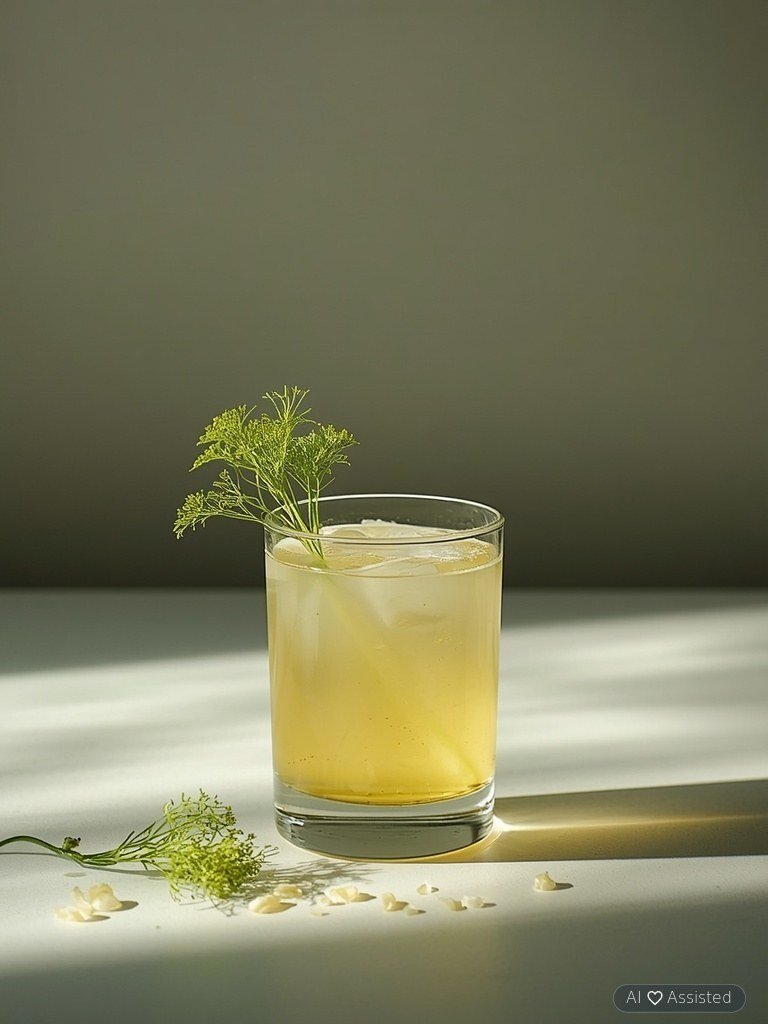
Fennel seed infusion – a traditional herbal remedy for digestive support and symptom relief
Fennel (*Foeniculum vulgare*), a plant with a long-standing tradition in herbal medicine, owes its therapeutic reputation to a complex biochemical profile rich in volatile oils, flavonoid compounds, and coumarins. These bioactive constituents endow the plant with notable antispasmodic properties—particularly beneficial for relaxing the smooth musculature of the gastrointestinal tract—as well as a gentle thermogenic effect that promotes systemic warmth. An infusion prepared from fennel seeds has demonstrated efficacy in alleviating a spectrum of digestive disturbances, including abdominal distension, flatulence, colicky pains, and general discomfort, primarily by enhancing the secretion of both bile and gastric acids. Beyond its gastrointestinal applications, fennel is valued in gynecological practice for its ability to mitigate dysmenorrhea by reducing uterine cramping and improving pelvic microcirculation. The infusion itself is distinguished by a distinctive anise-like fragrance and a subtly sweet, mild flavor, making it a palatable remedy. Historical records attribute to Hildegard of Bingen—an 11th-century Benedictine abbess—the recommendation of regular fennel tea consumption not only to optimize digestive function but also to elevate mood. Of particular note is its utility for breastfeeding women, as fennel supports lactation, and for infants, when administered in diluted form, it helps relieve symptoms of infantile colic.
Consuming fennel infusion during pregnancy: potential hazards and safer alternatives for expectant mothers
A significant number of synthetic pharmaceuticals are contraindicated during pregnancy due to their potential to adversely affect fetal development. Similar restrictions apply to herbal preparations, which—despite their widespread reputation for natural safety—may provoke undesirable reactions in pregnant women. Particular caution is advised with fennel (*Foeniculum vulgare*), whose consumption, especially in the form of concentrated essential oil derived from its seeds, has been linked to documented risks of pregnancy complications. Although aqueous infusions such as fennel tea may appear less potent, healthcare professionals recommend avoiding them at least during the early and middle stages of pregnancy, as there is insufficient conclusive evidence confirming their absolute safety. Scientific reports suggest that certain compounds present in fennel seeds may stimulate uterine contractions, which, in severe cases, could lead to preterm labor or miscarriage. Rather than resorting to fennel-based infusions, pregnant women should consider well-established and safer alternatives for alleviating common pregnancy-related discomforts. For instance, nausea can be effectively managed with fresh ginger root (*Zingiber officinale*), whose anti-emetic properties have been validated in multiple clinical trials, while posing no harm to the developing fetus. Constipation—a frequent issue during pregnancy due to hormonal fluctuations and the pressure exerted by the expanding uterus on the intestines—can be mitigated through consistent, moderate physical activity, such as daily outdoor walks, which additionally enhance circulation and overall well-being.
Fennel infusion for new mothers: Traditional lactation support and its broader benefits
During the postpartum period, many women explore natural methods to support lactation, with fennel seed infusion being one of the most commonly chosen remedies. While this herbal preparation has long been regarded in traditional phytotherapy as a galactagogue, contemporary scientific research does not provide conclusive evidence of its efficacy—neither for fennel nor for other herbs purported to enhance milk production. Nevertheless, regular consumption of warm fennel tea poses no health risks to either the mother or the newborn and can additionally serve as a valuable source of fluids, the adequate intake of which is critical for optimal lactation. It is also worth noting that this infusion is often recommended not only for its potential lactation-enhancing properties but also as a gentle digestive aid that may help alleviate bloating and gas in both adults and infants.
Dill-based infant herbal infusions: indications and limitations of use
A mild infusion derived from fennel seeds, though commonly perceived as a gentle digestive aid for infants, does not constitute an indispensable component of early nutrition. Health authorities emphasize that breast milk—both in terms of nutritional completeness and immunological benefits—remains the sole optimal and comprehensive food source for newborns. Routine administration of supplementary fluids such as water or herbal teas may diminish breastfeeding frequency, thereby compromising lactation efficiency and the establishment of healthy feeding patterns. It is critical to recognize that fennel-based infusions, despite their potential efficacy in alleviating colic symptoms, fail to provide the infant’s body with essential macronutrients—most notably high-quality protein or the caloric intake necessary for adequate weight gain and psychomotor development.
Fennel infusion for infantile colic: A therapeutic approach during early developmental distress
Infantile colic typically manifests between the second week and fourth month of a newborn’s life, representing a period of significant stress and exhaustion for caregivers. Despite extensive clinical research, the precise etiology of this common pediatric condition remains incompletely understood by medical professionals. Among the diverse array of symptom-management strategies—whose efficacy can vary widely and depends on the individual infant’s physiology—particular attention has been directed toward traditional phytotherapeutic remedies, including infusions prepared from fennel seeds (*Foeniculum vulgare*). It is critical to emphasize, however, that none of the proposed interventions—whether pharmacological (e.g, antispasmodic medications, probiotics containing *Lactobacillus reuteri*), behavioral (e.g, soothing techniques involving white noise such as dryer or dishwasher sounds), or herbal—offers guaranteed universal effectiveness. Each approach should be implemented under the supervision of a pediatrician, with careful consideration of potential contraindications and the child’s unique responses.
Fennel seed infusion as a natural remedy for digestive discomfort associated with constipation
Constipation represents a bothersome health condition capable of significantly diminishing quality of life in both adult and pediatric populations. Among traditional approaches to alleviating these symptoms, regular consumption of fennel seed infusion emerges as a particularly noteworthy remedy. The therapeutic mechanism of this herb relies on its multifaceted influence on the digestive system: firstly, bioactive compounds present in fennel stimulate the secretion of digestive juices in the initial segments of the gastrointestinal tract—the very site where dysregulated intestinal transit often originates. Secondly, in cases of spastic constipation—characterized by excessive contractions of smooth intestinal musculature that impede fecal movement—fennel exhibits antispasmodic properties, thereby contributing to the restoration of normal peristalsis. An additional, frequently overlooked factor is adequate hydration; insufficient fluid intake exacerbates constipation tendencies, particularly in fiber-rich diets, as dietary fiber requires substantial water to function optimally. Regular consumption of warm fennel infusion not only supplements daily fluid intake (approximately 2–3 glasses) but also enhances digestive processes through its thermogenic effect on the gastric mucosa. Herbal medicine, despite fluctuating trends in popularity, remains a valuable adjunct to contemporary healthcare, with botanical infusions—including fennel tea—offering a rich source of health-promoting compounds. Nevertheless, caution is advised: medical consultation is essential when combining fennel with pharmaceuticals (due to potential drug-herb interactions), and in infants, fennel should be administered solely for colic relief and strictly under pediatric supervision. Adherence to these guidelines ensures the safe utilization of fennel infusion’s beneficial properties.
Tags

mgr Felix Weber
✓Diets Premium Expert
Diets Premium team expert. Specializes in nutrition plans, strength sports, and training plans.
View Profile →