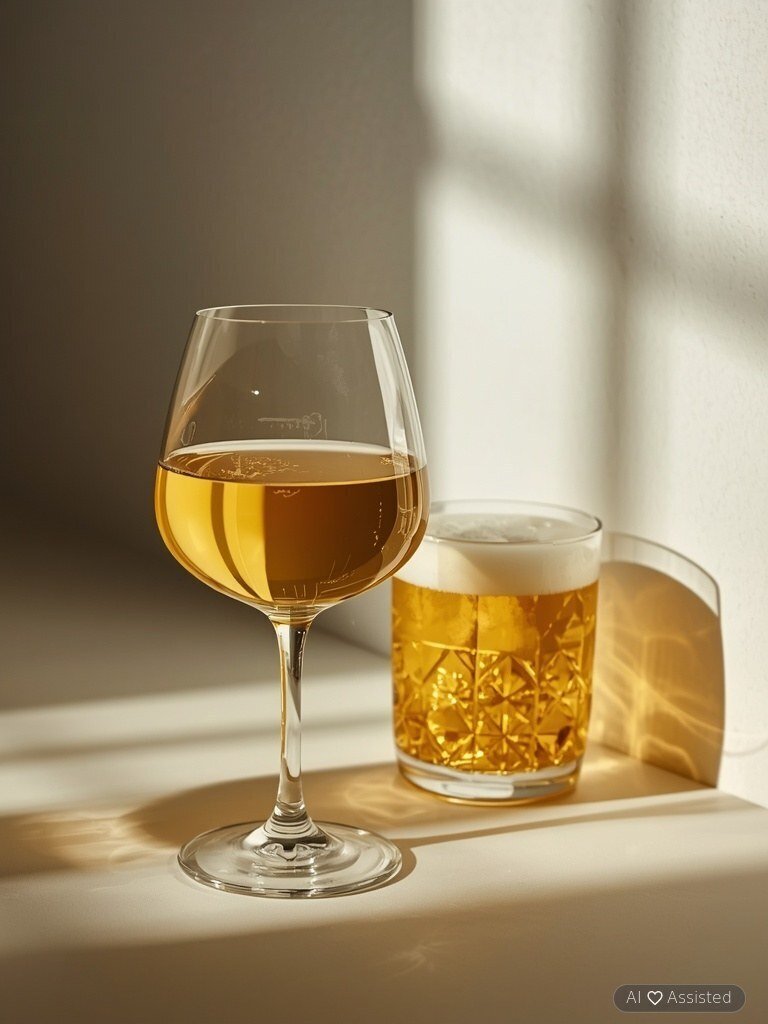
Does this drink qualify as beer, wine, or distilled spirits—or could moderate consumption potentially yield health benefits?

| Diets Premium Expert Kacper Nowak | min read 8 min | Scientifically reviewed by a clinical dietitian 23.10.2026 |
Smart Voice
•Listen to the article content live
While the detrimental effects of excessive alcohol consumption on the human body are widely recognized, researchers and medical professionals emphasize that its mindful and moderate intake does not necessarily compromise health—in fact, under specific conditions, it may exert beneficial influences on certain physiological functions. Additionally, ethanol serves diverse purposes in medicine, functioning as a component of pharmaceutical formulations or a disinfectant, as well as in industrial applications; nevertheless, its most celebrated role remains that of a sophisticated beverage prized globally for its refined taste and aromatic complexity.
Want to apply these guidelines in your daily diet?
Our smart diet generator creates a tailored meal plan in 3 minutes based on the recommendations in this article.
This article is professional premium content (PRO) provided in its entirety.
Beer and health: polyphenolic compounds versus alcohol toxicity
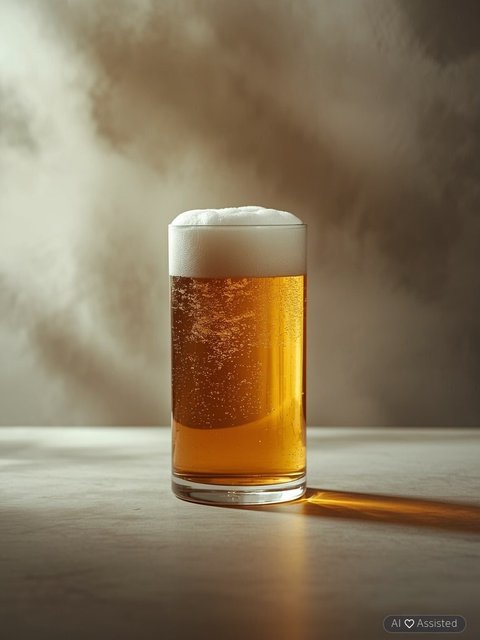
Beer, as a fermented beverage with millennia of tradition, contains micronutrients of verified biological merit: B-complex vitamins, potassium, magnesium, soluble dietary silicon, and hop polyphenols such as xanthohumol. These phytochemicals exert antioxidant actions and support vascular elasticity. However, these putative advantages are largely countered by the metabolic consequences of ethanol. Alcohol imposes hepatic strain, induces dehydration, and drives visceral adiposity. Regular intake must be severely constrained, with 0.0% dealcoholized beer offering the only risk-free alternative.
Health aspects of wine, resveratrol, and the French paradox
Red wine commands significant scientific interest because it undergoes fermentation with grape skins and seeds, delivering a substantial polyphenolic concentration (1,000–4,000 mg/L compared to 200–300 mg/L in white wine). The premier compound is trans-resveratrol, a potent antioxidant that inhibits LDL lipid peroxidation, activates longevity-associated sirtuin enzymes, and promotes vascular endothelial nitric oxide production—forming the basis of the 'French paradox.' Nonetheless, clinicians caution that ethanol remains a verified Class 1 carcinogen, and wine consumption should never be initiated for therapeutic cardioprotection.
Traditional herbal tinctures, botanical extracts, and clinical moderation
Therapeutic herbal tinctures and fruit elixirs represent a classical galenic formulation within traditional botanical medicine. Ethyl alcohol (40–70% concentration) serves as a superior extraction solvent that draws out water-insoluble phytochemicals—such as essential oils, botanical resins, lipophilic flavonoids, and specific alkaloids—while ensuring long-term antimicrobial preservation. Formulations such as hawthorn (cardiotonic), chokeberry (vascular), or green walnut (digestive) tinctures are prescribed strictly in drop or teaspoon measures (5–15 ml) rather than consumed as social beverages. Any excessive consumption precipitates severe organ toxicity and addiction.

Kacper Nowak
✓Diets Premium Expert
Diets Premium team expert. Specializes in nutrition plans, strength sports, and training plans.
View Profile →