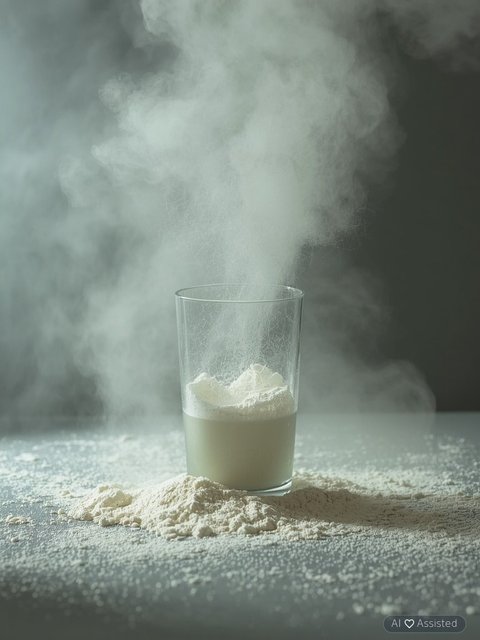
Beer as a dual-nature substance: potential medicinal benefits and health hazards associated with the consumption of grain-fermented alcoholic beverage

| Diets Premium Expert Wojciech Wiśniewski | min read 1 min | Scientifically reviewed by a clinical dietitian 23.10.2026 |
Smart Voice
•Listen to the article content live
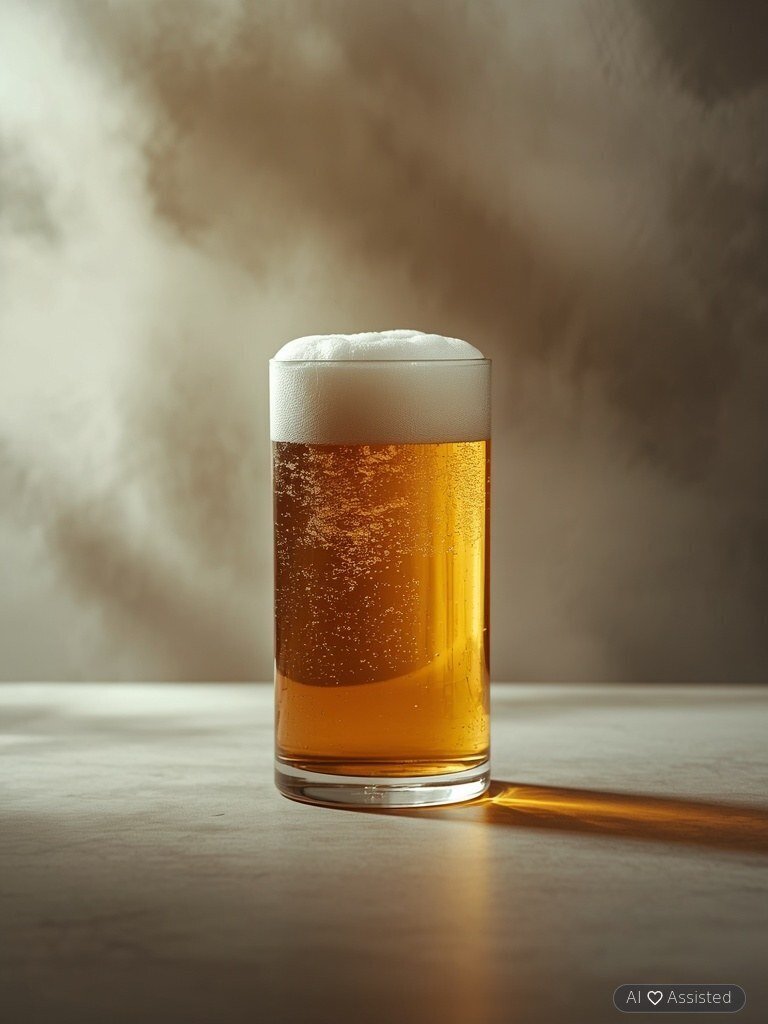
Beer, among the oldest fermented grain beverages in human civilization, sparks significant medical and nutritional discourse. While malt and hops deliver bioactive xanthohumol, soluble orthosilicic acid, and B vitamins, the presence of ethanol carries undisputed risks of hepatotoxicity, oncogenesis, and neurochemical addiction. This comprehensive article delivers an objective, evidence-based assessment of beer's biological duality.
Want to apply these guidelines in your daily diet?
Our smart diet generator creates a tailored meal plan in 3 minutes based on the recommendations in this article.
Bioactive Constituents of Hops and Malt: Xanthohumol, Silicon, and Polyphenols
The biochemically active components in beer originate from female hop cones (Humulus lupulus) and malted cereals. Hops furnish xanthohumol—a prenylated chalcone exhibiting verified antioxidant, anti-inflammatory, and antiproliferative properties—alongside bitter alpha- and beta-acids that promote gastric secretions. Additionally, fermented beer serves as a primary dietary source of soluble orthosilicic acid, an easily assimilated silicon form that aids bone mineralization.
Ethanol Toxicity: Hepatic Metabolism, Cardiovascular Impact, and Carcinogenesis
Any potential biological merits of beer polyphenols are systematically offset by ethanol toxicity. Hepatic metabolism via alcohol dehydrogenase (ADH) generates acetaldehyde—a toxic metabolite directly implicated in DNA adduct formation and carcinogenesis (notably oral, esophageal, and breast cancers). Regular intake burdens hepatocytes, fuels metabolic hepatic steatosis, drives arterial hypertension, and promotes visceral abdominal adiposity due to high caloric density.
Neurobiology of Alcohol: Sleep Architecture Fragmentation and Addiction
Ethanol functions as a central nervous system depressant, potentiating inhibitory GABA-A transmission and antagonizing excitatory NMDA receptors. While it shortens sleep-onset latency, it severely fragments physiological sleep architecture, suppressing crucial restorative REM stages. Utilizing beer chronically for relaxation rapidly triggers neuroadaptive tolerance and physical dependence, degrading cognitive functions and emotional resilience.
Non-Alcoholic Beer (0.0%) as a Functional Post-Workout Isotonic Beverage
A modern, clinically sound alternative is genuine 0.0% non-alcoholic beer produced through vacuum dealcoholization or gentle restricted fermentation. It retains all bioactive hop polyphenols, xanthohumol, B-complex vitamins, and soluble silicon. Due to an osmolarity closely matching blood plasma alongside malt carbohydrates, non-alcoholic beer acts as an effective isotonic recovery beverage, rehydrating muscle tissue and attenuating post-exercise inflammatory markers in endurance athletes.

Wojciech Wiśniewski
✓Diets Premium Expert
Diets Premium team expert. Specializes in nutrition plans, strength sports, and training plans.
View Profile →