5 min read
Investigate the Effects of Alcohol, Beer, and Coffee on Cholesterol Levels!

Mia Hoffmann
✓
Diets Premium Expert • 25.09.2026
✓
Scientifically reviewed by a clinical dietitian:
This article has been peer-reviewed for adherence to IŻŻ, WHO, and PTGiP clinical nutritional standards.
| Diets Premium Expert Mia Hoffmann | min read 5 min | Scientifically reviewed by a clinical dietitian 25.09.2026 |
Smart Voice
•Listen to the article content live
0:00
/
0:00
Key Takeaways
First, let's take a closer look at the differences between HDL and LDL cholesterol. LDL is responsible for transporting cholesterol to cells such as arterial endothelial cells, where it can lead to the formation of atherosclerotic plaques. On the other hand, HDL has a protective effect and prevents atherosclerosis. When we hear from a doctor that our cholesterol levels are elevated, we usually react with fear, but marketing messages are mainly responsible for this, as they influence our subconscious, frighten us, and encourage us to buy cholesterol-lowering products.
Meal Plan
Want to apply these guidelines in your daily diet?
Our smart diet generator creates a tailored meal plan in 3 minutes based on the recommendations in this article.
The impact of alcohol consumption on lipid profiles: benefits and risks for cardiovascular health and fat metabolism
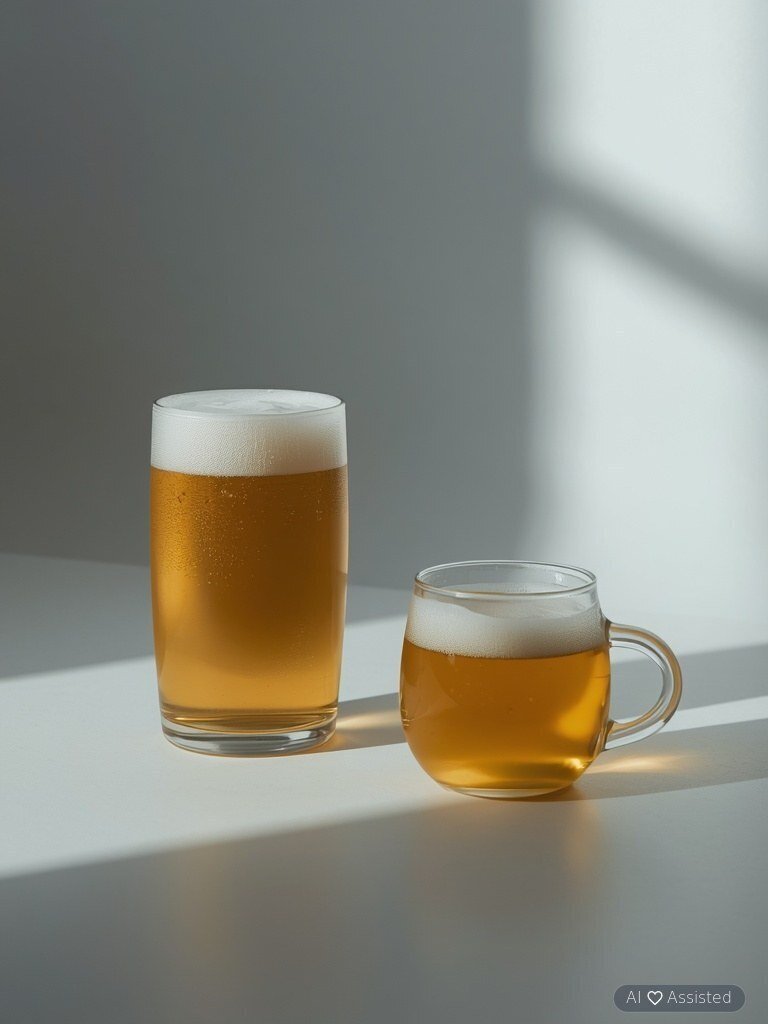
Contrary to widespread perceptions, scientific evidence indicates that moderate alcohol consumption does not significantly elevate levels of harmful low-density lipoprotein (LDL) cholesterol; in fact, it may contribute to an increase in high-density lipoprotein (HDL) cholesterol—the "good" cholesterol that plays a protective role against atherosclerosis. For this reason, certain dietary guidelines suggest that small, controlled amounts of alcohol may be incorporated into preventive strategies for cardiovascular diseases, as they can exert anti-inflammatory effects and reduce the risk of thrombus formation. However, it is critical to note that alcohol substantially raises triglyceride concentrations in the blood, posing a significant concern for individuals with hypertriglyceridemia or insulin resistance. The established safe daily limits are up to 25 grams of pure ethanol for men and 18–20 grams for women—equivalent to approximately one standard drink, such as 30–40 ml of vodka, 100–150 ml of wine, or 300–350 ml of beer. Population-based studies confirm that adhering to these thresholds is associated with a reduced risk of mortality from cardiovascular causes, as well as a decrease in all-cause mortality rates. Nevertheless, even regular, moderate alcohol intake carries an elevated risk of gastrointestinal cancers, pancreatic and liver diseases, and an increased incidence of traffic accidents and injuries. Therefore, the decision to include alcohol in a preventive diet should involve a personalized assessment of benefits versus potential hazards, taking into account the individual’s overall health status.
The Impact of Beer Consumption on Lipid Profiles: A Cistercian Nun Study in León
Scientifically substantiated benefits of moderate beer consumption include the reduction of harmful LDL cholesterol levels, deceleration of the aging process, and enhancement of metabolic efficiency. A remarkable study conducted by Spanish medical professionals, involving fifty cloistered nuns from three Cistercian convents in the province of León, provided compelling evidence for these claims. The selection criteria for participants—advanced age, a stable lifestyle, and balanced nutrition—made the nuns an ideal control group. The experiment entailed daily consumption of half a liter of beer for 45 days, followed by a six-month hiatus, after which participants regularly ingested 400 mg of hop extract. Results demonstrated a 6% decrease in cholesterol levels among those with the highest baseline measurements. Despite these promising outcomes, the nuns returned to their prior abstinence, motivated solely by the desire to contribute to medical progress.
However, it is crucial to emphasize that while beer may reduce the risk of atherosclerosis, its consumption is associated with several contraindications. These include promoting weight gain, being inadvisable for individuals with diabetes, gastric or duodenal ulcers, cirrhosis, or acute pancreatitis. Persons with these conditions should consult a physician to determine whether consuming small, regular quantities of beer may be beneficial or if complete abstention is preferable. An absolute prohibition applies to pregnant and breastfeeding women.
Coffee and cholesterol
Coffee is consumed globally for its stimulating caffeine content, but ongoing research reveals nuanced impacts on cardiovascular health, lipid parameters, and oxidative stress. A clinical investigation evaluating the physiological effects of filtered coffee on lipid metabolism biomarkers and oxidative status demonstrated significant modulations in total cholesterol and high-density lipoprotein (HDL) profiles. While coffee consumption does not directly cure or reverse diabetes, its rich complement of bioactive polyphenols (notably chlorogenic acids) exerts potent antioxidant and anti-inflammatory properties, scavenging free radicals, safeguarding vascular endothelium, and decelerating arterial plaque formation. Interestingly, moderate beer consumption has been observed in select trials to modestly elevate HDL cholesterol. However, when evaluating coffee's effect on serum cholesterol, the specific brewing method is the decisive factor. Unfiltered coffee preparations—such as Turkish boiled coffee, French press, or boiled immersion brews—contain substantial concentrations of lipid compounds called diterpenes (primarily cafestol and kahweol), which potently suppress hepatic bile acid synthesis and raise circulating LDL cholesterol levels. In contrast, paper-filtered drip coffee effectively traps these diterpenes, ensuring a heart-healthy cup. Furthermore, roasting-related irritants that occasionally trigger heartburn or gastric distress are significantly diminished in specialized 'stomach-friendly' or low-irritant coffee varieties (known as 'Reizarm' or 'Schonende' in German). Ultimately, comprehensive lipid panels assessing both LDL and HDL fractions should guide dietary choices, remembering that balanced moderation is key to cardiovascular vitality.

Mia Hoffmann
✓Diets Premium Expert
Diets Premium team expert. Specializes in nutrition plans, strength sports, and training plans.
View Profile →