4 min read
Hops – medicinal properties, culinary and pharmaceutical uses of hop cones

Sophia Williams
✓
Diets Premium Expert • 23.10.2026
✓
Scientifically reviewed by a clinical dietitian:
This article has been peer-reviewed for adherence to IŻŻ, WHO, and PTGiP clinical nutritional standards.
| Diets Premium Expert Sophia Williams | min read 4 min | Scientifically reviewed by a clinical dietitian 23.10.2026 |
Smart Voice
•Listen to the article content live
0:00
/
0:00
Key Takeaways
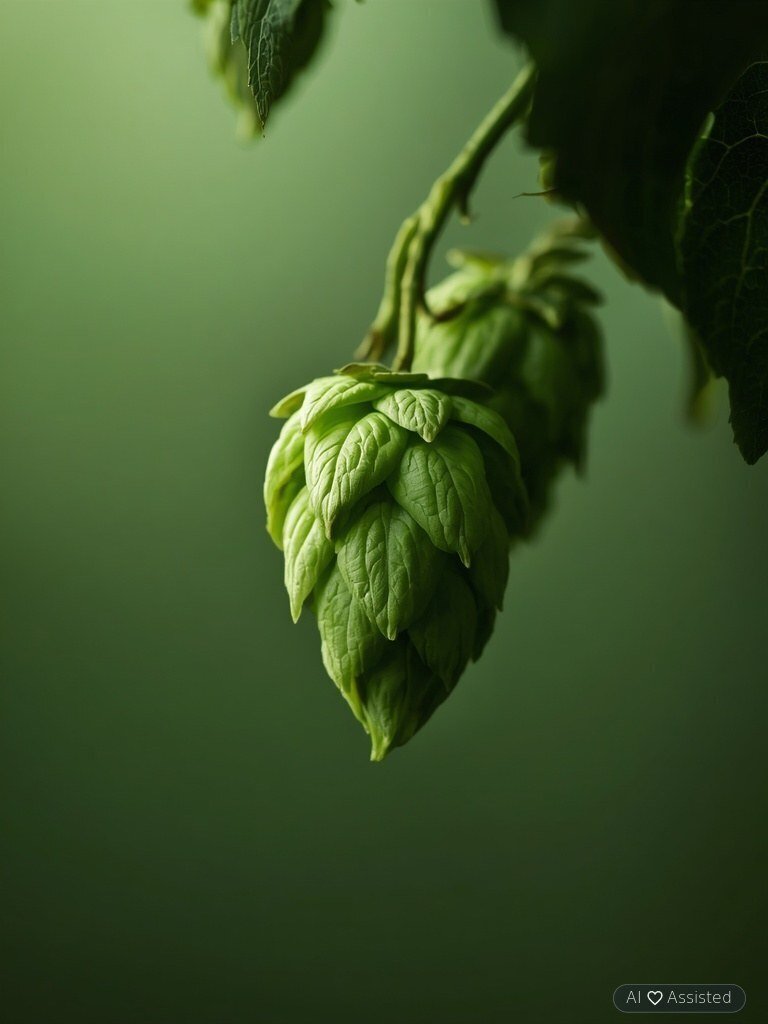
Common hops (Humulus lupulus) is a perennial climbing plant celebrated for centuries in both herbal medicine and brewing. Female hop inflorescences, commonly known as hop cones, are rich in lupulin glands containing essential oils, flavonoids (notably xanthohumol), and bitter alpha- and beta-acids. These bioactive compounds provide clinically recognized sedative, anxiolytic, antibacterial, and phytoestrogenic benefits. Discover the therapeutic properties, practical uses, and safety considerations of hop cones.
Meal Plan
Want to apply these guidelines in your daily diet?
Our smart diet generator creates a tailored meal plan in 3 minutes based on the recommendations in this article.
Common Hops – Botanical Overview and Origins
Common hops (Humulus lupulus) belongs to the Cannabaceae family. It is a vigorous perennial climbing vine native to temperate regions across Europe, Western Asia, and North America. While wild hops flourish in moist deciduous woodlands and river valleys, commercial cultivation centers on female varieties whose cone-shaped catkins (strobili) develop rich concentrations of glandular resinous lupulin.
Medicinal Properties of Hop Cones
Hop cones contain an array of pharmacologically active compounds, including bitter acids (humulone and lupulone), essential oils (myrcene, humulene), and potent prenylflavonoids such as xanthohumol and 8-prenylnaringenin. These components exert a gentle central sedative action, reducing nervous tension and facilitating restorative sleep. In addition, hop extracts exhibit strong antimicrobial, antioxidant, and anti-inflammatory properties, while 8-prenylnaringenin provides natural relief for menopausal hot flashes.
Applications of Hops in Phytotherapy and Industry
Beyond their indispensable role as a bittering and preserving agent in brewing, hops are widely utilized in modern herbal medicine. Hop cone extracts are standardized in calming teas, capsules, and tinctures, frequently synergized with valerian, lemon balm, and passionflower. In cosmetics, hop flavonoids are incorporated into skincare formulas for their antioxidant, skin-toning, and collagen-protective qualities.
Adverse Effects and Precautions
Preparations based on hop cones are generally well tolerated, but caution is warranted when co-administering them with other central nervous system depressants, alcohol, or prescription sedatives (such as benzodiazepines like diazepam), as synergistic sedation may impair motor skills and driving ability. Due to estrogenic activity, hop supplementation is contraindicated during pregnancy, lactation, and in individuals with hormone-sensitive cancers.
Tags

Sophia Williams
✓Diets Premium Expert
Diets Premium team expert. Specializes in nutrition plans, strength sports, and training plans.
View Profile →