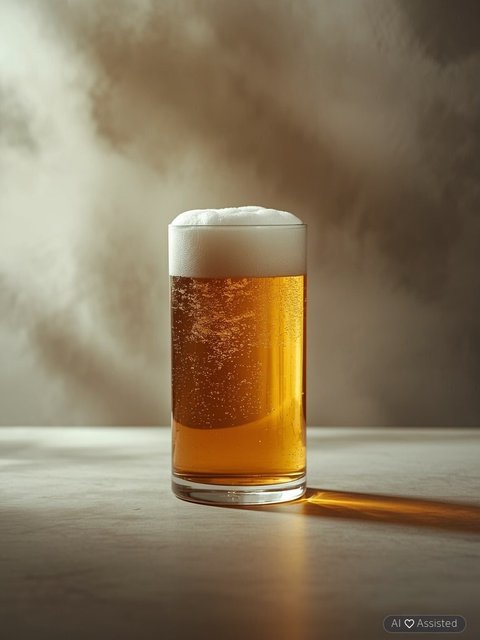
Non-alcoholic beverage from malted grains. Is it possible to consume non-alcoholic beer during pregnancy and breastfeeding?

| Diets Premium Expert David Janitzek | min read 4 min | Scientifically reviewed by a clinical dietitian 23.10.2026 |
Smart Voice
•Listen to the article content live
Alcoholic beer is a well-known beverage that we eagerly reach for on hot summer days or during family gatherings and with friends. Although beer itself contains a number of beneficial health components, including useful polyphenols, ethyl alcohol in beer does not have a positive impact on the human body and is even considered toxic!
Want to apply these guidelines in your daily diet?
Our smart diet generator creates a tailored meal plan in 3 minutes based on the recommendations in this article.
Non-alcoholic beer – characteristics and residual alcohol content
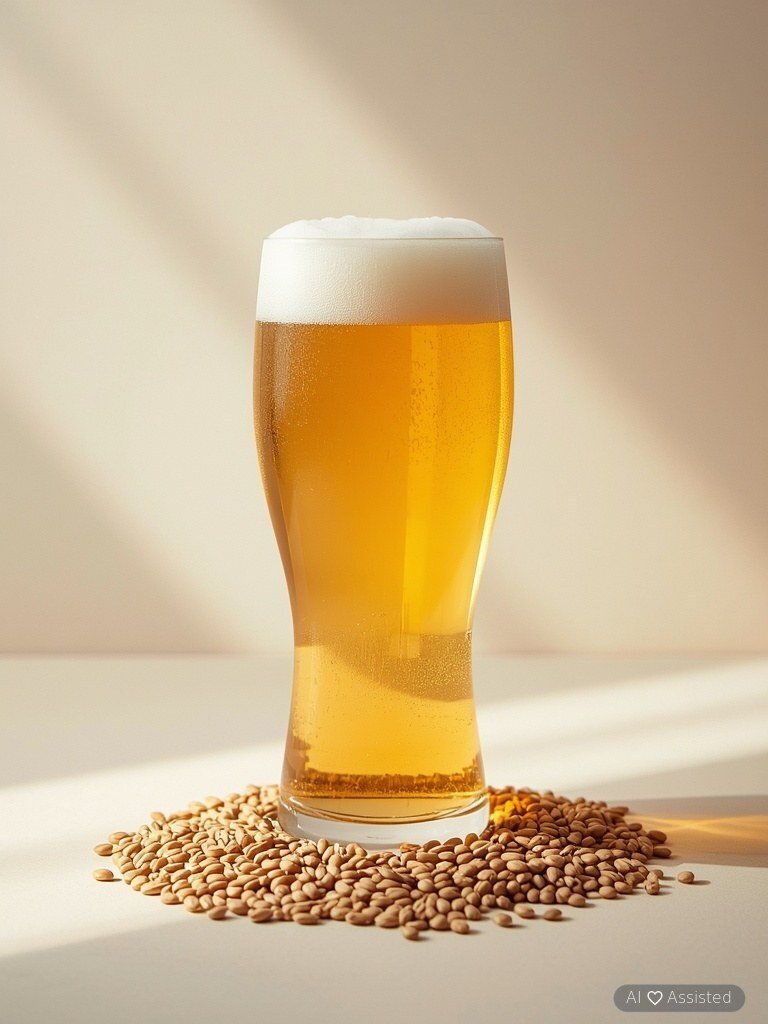
Non-alcoholic beer serves as a popular alternative to traditional fermented beverages, offering a complex flavor profile without significant ethanol intake. It supplies valuable hop-derived polyphenols such as xanthohumol, B-complex vitamins, and bioavailable silicon that supports connective tissue and bone integrity. Clinical investigations demonstrate that dealcoholized beer can modulate immune pathways and attenuate post-exercise inflammatory markers in endurance athletes. Crucially, however, regulatory definitions across Europe allow beverages labeled as non-alcoholic to contain up to 0.5% alcohol by volume (ABV). Consequently, a 500 ml bottle may deliver up to 2.5 grams of residual ethanol, a factor of paramount importance during pregnancy.
Non-alcoholic beer during pregnancy: fetal safety considerations
Ethanol is a documented teratogen that readily crosses the placental barrier to reach the developing fetus, whose immature metabolic enzymes cannot efficiently clear the toxic metabolite. Prenatal alcohol exposure is causally linked to Fetal Alcohol Spectrum Disorders (FASD), structural dysmorphologies, and permanent neurodevelopmental impairment. The World Health Organization (WHO) and obstetrical societies maintain that there is no established safe threshold of alcohol consumption during pregnancy. Because standard 'non-alcoholic' beers (up to 0.5% ABV) carry residual ethanol, expectant mothers must exclusively choose products certified as 0.0% ABV or abstain entirely from malt-fermented drinks.
Non-alcoholic beer and breastfeeding: lactation myths vs facts
Cultural folklore often perpetuates the belief that beer enhances breast milk production. In pharmacological reality, it is not ethanol, but rather barley beta-glucans that may modestly stimulate prolactin release. Ethanol itself has the opposite effect: it suppresses oxytocin secretion, inhibiting the milk ejection reflex by up to 20% and altering milk flavor, which frequently impairs infant feeding. Furthermore, alcohol diffuses into breast milk at levels mirroring maternal blood concentrations. During the initial postpartum months of on-demand breastfeeding, maternal alcohol consumption must be strictly avoided. Certified 0.0% ABV beverages present a completely safe alternative, while any inadvertent exposure to residual alcohol requires a clearance window of at least 2 to 3 hours prior to nursing.
Tags

mgr David Janitzek
✓Diets Premium Expert
Diets Premium team expert. Specializes in nutrition plans, strength sports, and training plans.
View Profile →