PRO
6 min read
Green Beverage from Japan That Can Replace Coffee – Known as <b>Matcha Tea</b>

Tomasz Jankowski
✓
Diets Premium Expert • 25.09.2026
✓
Scientifically reviewed by a clinical dietitian:
This article has been peer-reviewed for adherence to IŻŻ, WHO, and PTGiP clinical nutritional standards.
| Diets Premium Expert Tomasz Jankowski | min read 6 min | Scientifically reviewed by a clinical dietitian 25.09.2026 |
Smart Voice
•Listen to the article content live
0:00
/
0:00
Key Takeaways
Matcha tea undeniably attracts attention due to its intense green color and properties. What benefits can we expect when we trade a cup of aromatic coffee for an infusion from Japan, known as matcha tea?
Meal Plan
Want to apply these guidelines in your daily diet?
Our smart diet generator creates a tailored meal plan in 3 minutes based on the recommendations in this article.
PRO Content
PRO
This article is professional premium content (PRO) provided in its entirety.
The distinctive characteristics of powdered matcha tea: From nutritional components to culinary applications
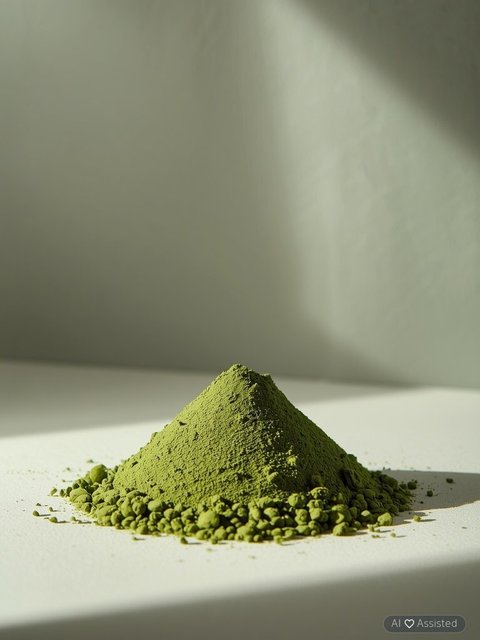
Matcha represents a specialized variety of green tea that is finely ground into a powder, distinguished by a cultivation process that diverges from conventional methods. The plants destined for matcha production are grown under carefully controlled shading conditions, a practice that significantly alters their biochemical composition and intensifies their flavor profile. Due to this distinctive manufacturing approach, matcha is classified as a premium product, with its most prized varieties derived from the initial harvest of young leaves. Beyond its celebrated taste, this tea is renowned for its beneficial effects on human health—acting as a stimulant, enhancing cognitive performance, and exhibiting potent antioxidant properties. Unlike traditional green tea, matcha is consumed in its entirety, allowing for the complete assimilation of its nutritional components, including minerals, chlorophyll, and polyphenols. Additionally, matcha serves as a versatile natural coloring and flavoring agent in culinary applications, particularly in desserts and baked goods, where less expensive, culinary-grade powders (not intended for high-quality tea infusions) are typically employed.
Matcha green tea powder: Contraindications, risk groups, and health considerations for consumption
While matcha green tea powder is widely celebrated for its antioxidant properties and health benefits, its consumption carries potential risks for specific demographic groups due to its elevated caffeine content. This stimulant, which contributes to matcha’s energizing effects, may trigger migraines, insomnia, or heightened anxiety in caffeine-sensitive individuals. Pregnant and breastfeeding women represent a particularly vulnerable population, as caffeine crosses the placental barrier and is excreted into breast milk, potentially disrupting fetal development or causing irritability and sleep disturbances in infants. Furthermore, caffeine interacts with a broad spectrum of pharmaceuticals—including antidepressants (e.g, fluvoxamine), antibiotics, and hormonal contraceptives—by inhibiting hepatic enzymes responsible for drug metabolism, thereby amplifying their potency or toxicity. Health authorities advise maintaining a minimum two-hour interval between medication intake and consumption of caffeinated beverages such as matcha, coffee, or energy drinks. It is also critical to recognize that caffeine is present in lesser-known sources like chocolate, cola, and certain sodas, which may lead to unintentional exceeding of the recommended daily limit (200–300 mg for pregnant women, per British Food Standards Agency guidelines).
A comprehensive guide to traditionally preparing matcha tea: From powder selection to achieving the perfect froth
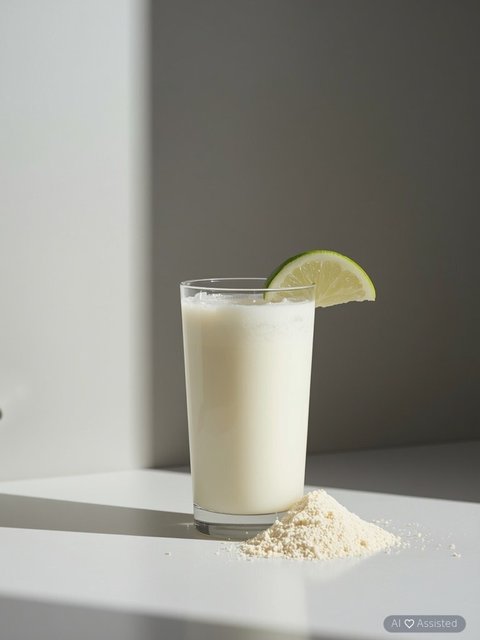
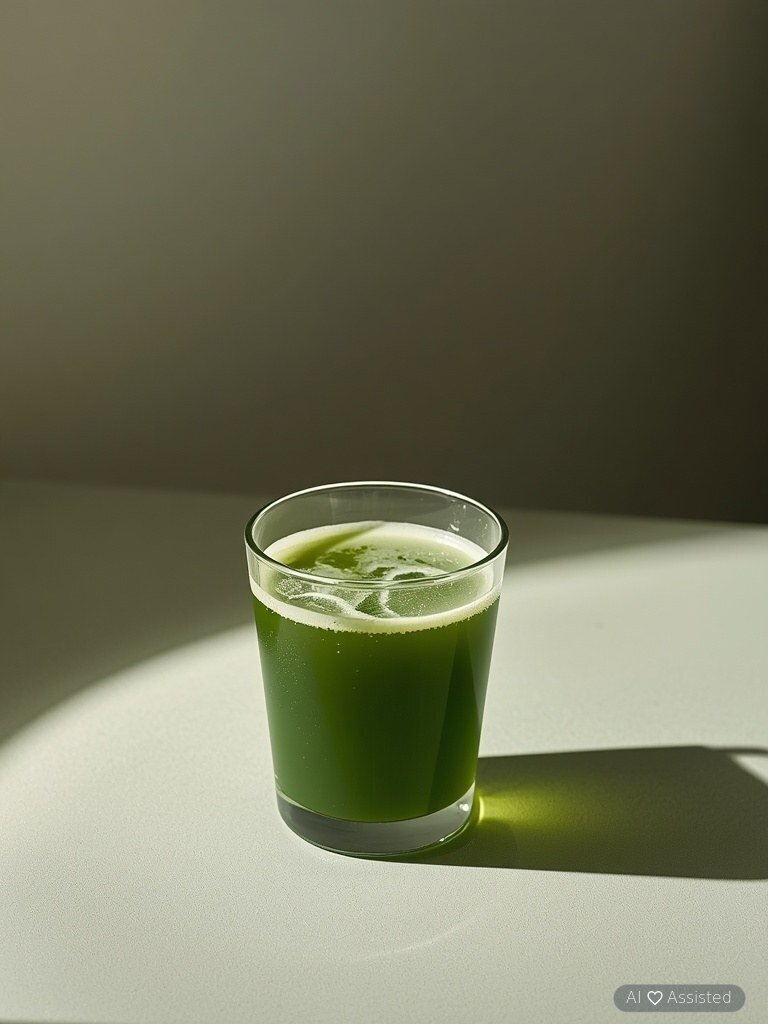
The art of preparing matcha, rooted in Japanese tea ceremonies, represents not merely a method of beverage preparation but also a meditative ritual that has gained increasing appreciation worldwide, including in Poland. Unlike conventional loose-leaf or instant tea bags, matcha demands a distinct approach: its finely milled powder is not steeped in boiling water but instead meticulously whisked into temperature-controlled liquid. While the process may appear intricate to novices, it fundamentally relies on a few critical steps: thorough dispersion of the powder (optimally achieved by sifting through a fine-mesh sieve to eliminate clumps), gradual incorporation of water heated to approximately 80°C, and vigorous agitation using a traditional bamboo whisk (*chasen*) or a modern electric frother. The result is a velvety infusion with a robust flavor profile, crowned by a signature layer of foam. Notably, matcha’s versatility extends beyond hot preparations—it can be enjoyed with warm milk or plant-based alternatives, or as a refreshing iced variant blended with ice in a shaker.
Where can one genuinely purchase authentic Japanese matcha tea and what factors should be considered before buying?
Acquiring premium-grade matcha tea has become remarkably accessible owing to the expansive network of online retailers that frequently curate specialized selections tailored to enthusiasts of this distinctive beverage. Beyond digital marketplaces, physical specialty tea shops and health food stores often stock certified organic varieties, providing consumers with a diverse range of high-quality options. The surging popularity of matcha stems not solely from its well-documented health benefits—such as its rich antioxidant profile and cognitive-enhancing properties—but also from its extraordinary sensory attributes, including its vibrant, emerald-green hue and the nuanced, umami-infused flavor profile. It is crucial to note, however, that due to its substantial caffeine content—which can exceed that of a standard cup of coffee by up to threefold—individuals with caffeine sensitivity, pregnant women, or those with certain cardiovascular conditions should exercise caution and consult a healthcare provider prior to consumption. While the traditional preparation of matcha necessitates the use of specialized tools like a bamboo whisk (*chasen*) and a ceremonial bowl (*chawan*), many aspects of the ritual can be adapted using common household items, such as a fine-mesh strainer or a milk frother.
Tags

mgr Tomasz Jankowski
✓Diets Premium Expert
Diets Premium team expert. Specializes in nutrition plans, strength sports, and training plans.
View Profile →