5 min read
7 Pieces of Information You Should Know About Matcha

David Janitzek
✓
Diets Premium Expert • 18.03.2026
✓
Scientifically reviewed by a clinical dietitian:
This article has been peer-reviewed for adherence to IŻŻ, WHO, and PTGiP clinical nutritional standards.
| Diets Premium Expert David Janitzek | min read 5 min | Scientifically reviewed by a clinical dietitian 18.03.2026 |

Smart Voice
•Listen to the article content live
0:00
/
0:00
Key Takeaways
The substantial rise in popularity of matcha tea is associated with its extraordinary health properties, which often surpass those of other tea varieties. Moreover, matcha can be employed not only as a hot infusion but also as an additive to desserts, soups, ice creams, or pastries. Over the past few years, matcha has been considered one of the healthiest teas in the world, but does it deserve that title?
Meal Plan
Want to apply these guidelines in your daily diet?
Our smart diet generator creates a tailored meal plan in 3 minutes based on the recommendations in this article.
Matcha as an extraordinary form of green tea
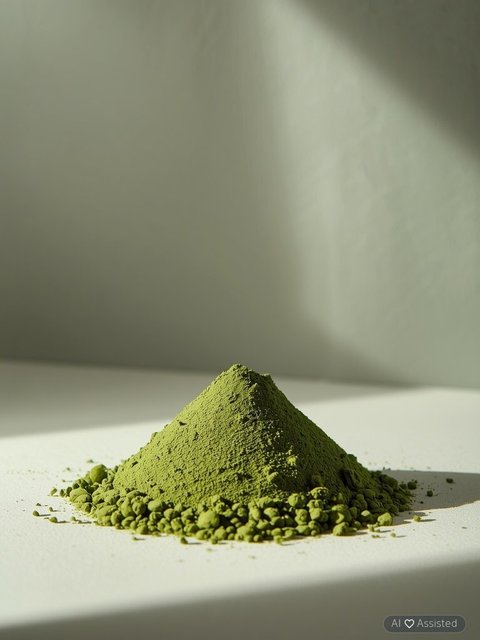
Matcha is the term for the ground leaves of Japanese green tea, which are suitable for consumption and provide numerous valuable health benefits. In comparison to traditionally brewed green tea (in the form of green tea leaves steeped in hot water), dissolving the ground leaves of green tea allows for even greater health benefits related to the dosage of nutrients, compared to the general beverage.. Matcha is made from shaded tea, whose growing conditions are of critical importance for the quality of the resulting tea powder.. At the end of the tea's growth process, the plantations are shaded using bamboo mats, which reduces the access of sunlight to the tea leaves and thus increases the content of amino acids in this plant part, resulting in a sweeter and more aromatic taste of the infusion.. The custom of consuming tea after grinding is believed to have originated not in Japanese culture, but in Chinese culture since the beginning of the Xth century.. This custom was cultivated by Buddhist monks and was brought to Japan along with them, where it became popular.
Matcha provides a wide range of health benefits
Chronic stress, nutritional deficiency, limited physical activity, polluted environment, and malnutrition are factors that lead to excessive free radical synthesis, which in turn leads to the development of oxidative stress. This condition can cause damage to the cells of the body, including their genetic material, which can lead to the onset of many diseases such as diabetes, cancer, atherosclerosis, and neurodegenerative diseases. To counteract these processes, it is necessary to provide an adequate amount of antioxidants that help combat free radicals and reduce the risk of developing these conditions. Research has shown that matcha tea contains large amounts of antioxidants that help combat free radicals. Additionally, tea is the second most popular beverage in the world, after water, which means that its health benefits are not only based on the content of antioxidants and frequency of consumption, but also on the special way it is grown, which increases the content of bioactive compounds such as chlorophyll and theanine. Thanks to this, matcha is characterized by a high content of caffeine and theanine, but a low content of catechin, which means that it does not have the bitter taste that is characteristic of other types of tea.
Incorporates the existence of caffeine within its makeup
Matcha tea contains caffeine; however, due to the presence of L-theanine, it exhibits a distinctive trait, characteristic of this beverage. The amalgamation of these two compounds, derived from tea, enhances mood, aids efficient brain function, and boosts concentration. It is, however, crucial to emphasize that the presence of L-theanine partially alleviates the impact of caffeine on the human system, concurrently reducing blood pressure, and imparting a sense of tranquility. Consequently, the effect of matcha-type tea is to augment cognitive function and concentration while simultaneously calming the nerves. As a result, drinking this kind of tea encourages states of calm mental alertness, which are unique and characteristic of matcha tea consumption.
It has been linked to meditation for a considerable period
Pulverized green tea made its way from China to Japan, which was intimately associated with the travels of Buddhist monks who avidly utilized its potency. For these individuals, drinking pulverized tea was chiefly connected with Zen, or silent meditation, which involved focusing thoughts on one point and uncovering the truths about life, which sitting meditation practice facilitated. Thanks to its properties, tea promoted consciousness, soothed, increased concentration, and thus enabled entry into a state of tranquility and peace.
Powders may be sweetened and quality is variable
Just as with any purchase, it is necessary to thoroughly examine the product labels, as their quality is of significant importance for flavor and nutritional properties. Most importantly, this tea has a delicate taste, and if a distinct bitter aftertaste is perceived, it means that it is not a product of the highest quality. The color of the powder should be dark green, which is associated with the increased production of chlorophyll in the shaded leaves during the cultivation of the plant. Japan is the largest producer of high-quality matcha, which usually utilizes traditional methods of tea cultivation. Additionally, tea powder may be sweetened, so it is important to thoroughly examine the product label before purchasing. The quality of the tea is a source of many valuable nutrients.
The problem of lead poisoning
Despite many valuable features, it is not recommended to consume large amounts of tea as it is capable of gathering significant quantities of lead from the environment in the leaves. As a result, there are opinions indicating the possibility of drinking one cup of tea daily to take advantage of its health benefits and to limit the intake of this harmful component into the body.
Matcha can be integrated into your meals
The ingenuity and creativity of pastry chefs, bakers, and cooks have led to numerous recipes utilizing this specific tea as a component in a multitude of desserts, baked goods, main courses, and beverages. As a result, it is not surprising to find green pudding or cocktail enhanced with this ingredient, which elevates the nutritional value of the dish and imparts a deep green hue, enhancing the overall appearance of the meal. Currently, online resources provide recipes incorporating tea into various dishes across different categories, catering to both sweet and savory tastes. In summary, matcha tea is another valuable product originating from the Asian region, with beneficial properties that promote human body functions. Therefore, it is worthwhile to incorporate this product not only in the traditional tea form but also as a component of a healthy diet.

mgr David Janitzek
✓Diets Premium Expert
Diets Premium team expert. Specializes in nutrition plans, strength sports, and training plans.
View Profile →