Fresh and Dried Figs – A Comprehensive Guide to Nutritional Properties, Caloric Value, and Culinary Applications

| Diets Premium Expert Tomasz Jankowski | min read 6 min | Scientifically reviewed by a clinical dietitian 23.10.2026 |
Smart Voice
•Listen to the article content live
The fruits of the common fig tree (Ficus carica) rank among the oldest cultivated crops in human history and represent a nutritional cornerstone of the traditional Mediterranean diet. Both fresh, succulent figs with their honeyed pulp and their concentrated dried counterparts boast remarkable nutrient density, supplying soluble dietary fiber fractions, antioxidant polyphenols, and some of the highest calcium and potassium levels found in the fruit kingdom. Explore their biochemical profile, metabolic impact, and versatile applications in clinical nutrition and contemporary cuisine.
Want to apply these guidelines in your daily diet?
Our smart diet generator creates a tailored meal plan in 3 minutes based on the recommendations in this article.
This article is professional premium content (PRO) provided in its entirety.
Botanical Origin and Characteristics of the Common Fig (Ficus carica)
The common fig (Ficus carica), also known as the Carica fig, is a long-lived subtropical woody plant belonging to the mulberry family (Moraceae). Originating in the Middle East and Asia Minor, it spread across the entire Mediterranean basin millennia ago. In ancient Greece and Rome, figs were revered as an emblem of vitality, fertility, and prosperity, serving as a staple high-energy ration for Olympic athletes and citizenry alike.
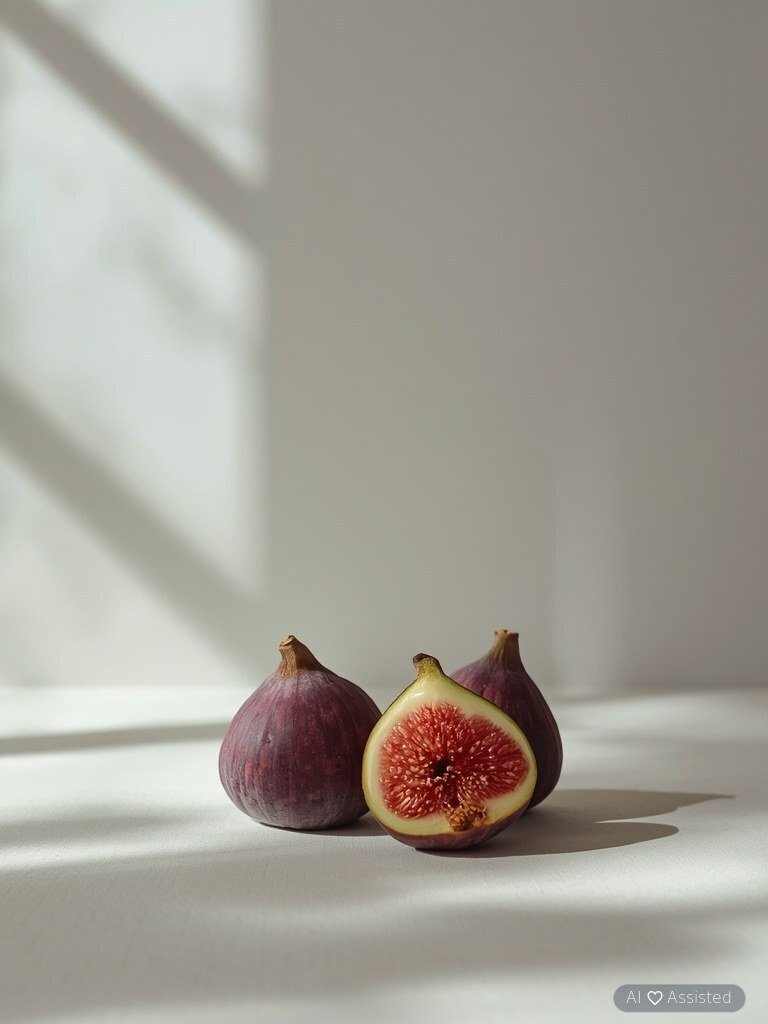
From a strict botanical standpoint, what is culinarily regarded as a fig fruit is actually a syconium—an inverted, fleshy, pear-shaped inflorescence receptacle enclosing hundreds of microscopic unisexual flowers lined along its inner cavity, traditionally pollinated by the symbiotic fig wasp (Blastophaga psenes). When fully mature, the syconium features a delicate, edible skin ranging from chartreuse green to deep violet-black, surrounding a luscious crimson pulp studded with tiny crunchy achenes.
Caloric Density and Glycemic Profile of Fresh vs. Dried Figs
The caloric density of figs is directly governed by their moisture content and the resulting concentration of endogenous monosaccharides (glucose and fructose). Fresh figs are notably low in calories—composed of nearly 80% water, a 100 g serving provides only 65 to 74 kcal (a single medium fig weighing roughly 50 g supplies approx. 35 kcal). With a low-to-moderate glycemic index (GI approx. 35), fresh figs can be smoothly integrated into weight-management meal plans.
Dehydration removes the vast majority of water, concentrating caloric and carbohydrate density nearly fourfold. 100 g of dried figs delivers approximately 250 to 280 kcal alongside 48 to 55 g of available carbohydrates, elevating the glycemic index to GI = 61–62. Consequently, dried figs serve as an exceptional ergogenic snack for endurance athletes and hikers requiring rapid glycogen replenishment, whereas patients managing insulin resistance should strictly portion them alongside protein and healthy dietary fats.
Nutritional Profile and Bioactive Compounds of Fresh and Dried Figs
Figs stand out in clinical nutrition for their extraordinary mineral and dietary fiber composition. Dried figs rank first among all common fruits in calcium concentration—providing an impressive 162 mg of calcium per 100 g (comparable to a glass of cow's milk), alongside substantial amounts of potassium (680 mg), magnesium (68 mg), phosphorus (67 mg), and non-heme iron (2.0 mg). Both fresh and dried forms supply phylloquinone (vitamin K, essential for osteocalcin carboxylation and blood coagulation), B-complex vitamins (thiamine, riboflavin, pyridoxine, folate), provitamin A, and vitamin C.
- Dietary Fiber and Pectins: 100 g of dried figs delivers 9.8 to 12.9 g of total dietary fiber (approx. 2.9 g in fresh figs), rich in soluble pectins that sequester bile acids and lower serum LDL cholesterol.
- Polyphenols and Anthocyanins: Dark-skinned fig cultivars contain high levels of rutin, catechins, chlorogenic acid, and cyanidin-3-rutinoside, protecting cellular lipids from oxidative peroxidation.
- Ficin (Proteolytic Enzyme): A natural cysteine endopeptidase present in fresh figs that facilitates dietary protein hydrolysis and supports gastrointestinal comfort.
Health-Promoting Properties and Clinical Contraindications
Regular inclusion of figs in a balanced diet yields well-documented systemic benefits. Through the synergy of calcium, magnesium, potassium, and vitamin K, figs actively support bone mineral accrual and remodel homeostasis, making them a prized dietary ally in osteoporosis prevention—particularly for postmenopausal women and individuals following dairy-free or vegan diets. Their high potassium-to-sodium ratio promotes endothelial vasodilation and blood pressure regulation, while abundant soluble and insoluble fiber fractions stimulate colonic motility, relieving chronic constipation and acting as a prebiotic substrate for beneficial gut microbiota.
Nevertheless, several clinical contraindications warrant attention. Due to their dense monosaccharide load, dried figs must be restricted in patients with poorly controlled type 2 diabetes. Additionally, ripe and dried figs contain measurable levels of tyramine—a biogenic amine capable of triggering vascular migraines in susceptible individuals and precipitating hypertensive crises in patients taking monoamine oxidase inhibitors (MAOIs). Because figs also contain soluble oxalates, moderation is advised for patients with a history of calcium oxalate nephrolithiasis.
How to Select, Store, and Eat Fresh and Dried Figs
Fresh figs can—and nutritionally should—be eaten whole with their skin intact, as the dark outer peel houses the highest concentration of antioxidant anthocyanins and rutin. Prior to consumption, gently rinse the fruit under cool running water, pat dry with a paper towel, and trim off the fibrous stem tip. You can quarter the fig lengthwise or score it crosswise from the top and press the base to open it like a blossom, enjoying the jammy pulp whole or with a spoon. When selecting fresh figs, look for plump, yielding fruits with a mild honeyed fragrance; any sour or fermented odor indicates overripening and spoilage.
When purchasing dried figs, opt for unsulfured varieties (free of sulfur dioxide preservative E220) that have been naturally sun-dried. A fine, powdery white coating frequently develops on the surface of premium dried figs—this is harmless crystallized fruit sugar (glucose bloom) rather than mold. Store dried figs in an airtight glass container in a cool, dark pantry.
Culinary Applications and Balanced Dietetic Recipes with Figs
Both fresh and dried figs excel across sweet and savory culinary repertoires. Fresh figs pair harmoniously with tangy goat cheese, feta, ricotta, prosciutto, peppery arugula, toasted walnuts, and aged balsamic reduction. Dried figs enrich breakfast porridges, compotes, homemade energy bars, and savory meat roasts. Below are four nutrient-dense recipes for everyday meal planning:
- Mediterranean Salad with Fresh Figs and Feta: Quarter 2 fresh figs and arrange over a handful of lamb's lettuce with 80 g of crumbled feta cheese, 2 tablespoons of Kalamata olives, and 30 g of thinly sliced red onion marinated in lemon juice. Season with Herbes de Provence and drizzle with 1 tablespoon of extra virgin olive oil.
- Oven-Baked Figs with Goat Cheese and Pine Nuts (4 servings): Score 8 fresh figs crosswise without cutting all the way through, stuff each with a slice of soft goat cheese and fresh rosemary needles, top with 2 tablespoons of pine nuts, and bake at 180°C for 15 minutes. Finish with a drizzle of balsamic glaze.
- Overnight Tropical Oat Porridge with Dried Figs: Combine 30 g of rolled oats, 30 g of diced dried figs, 50 g of cubed mango, 12 g of unsweetened shredded coconut, and 200 ml of unsweetened almond milk in a jar. Refrigerate overnight until creamy.
- No-Bake Fig, Date, and Peanut Energy Bars: Soak 50 g of dried figs and 50 g of pitted dates in hot water for 15 minutes, drain, and blend into a paste with 100 g of roasted unsalted peanuts and 2 tablespoons of poppy seeds. Press into a lined container, chill until firm, and slice into bars.

mgr Tomasz Jankowski
✓Diets Premium Expert
Diets Premium team expert. Specializes in nutrition plans, strength sports, and training plans.
View Profile →