Green Bell Pepper – Health Benefits, Vitamins, Caloric Value, and Culinary Uses

| Diets Premium Expert Mateusz Pawlak | min read 3 min | Scientifically reviewed by a clinical dietitian 23.10.2026 |
Smart Voice
•Listen to the article content live
The bell pepper belongs to the nightshade family (Solanaceae), which also includes tomatoes and eggplants. Its edible portion is a thick-walled, succulent berry whose coloration depends on both the specific cultivar and the stage of physiological ripeness.
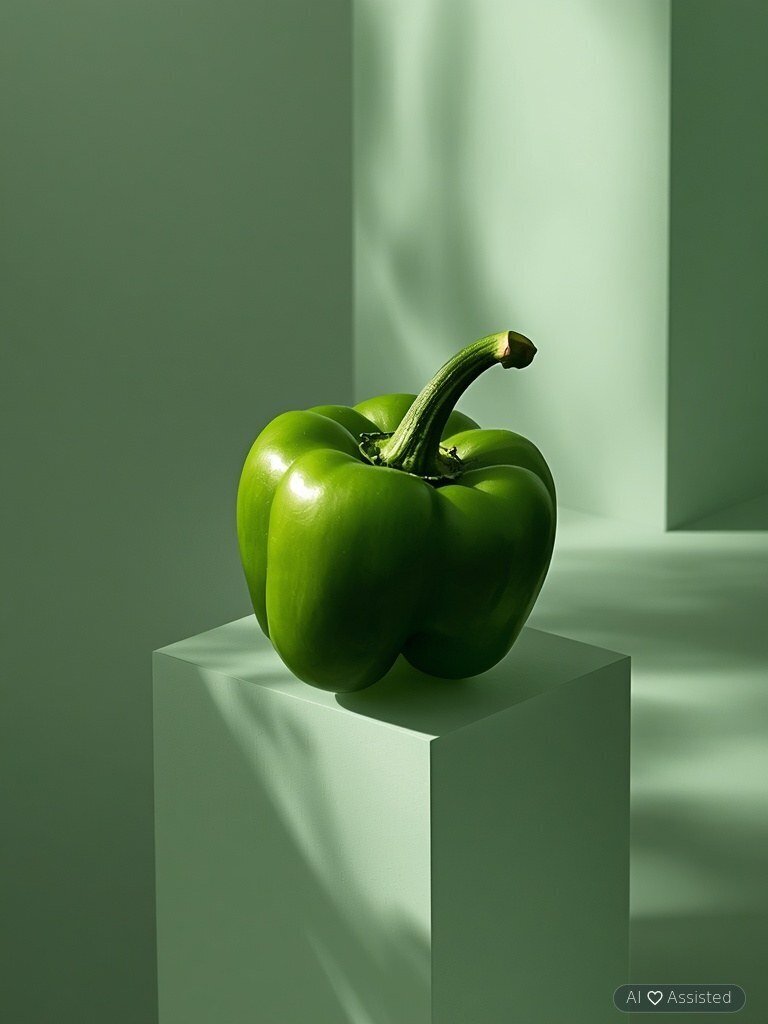
Green bell peppers are typically harvested at the commercial maturity stage before chlorophyll degrades into yellow and red carotenoids. Consequently, green bell pepper stands out with the lowest simple sugar content among all bell pepper varieties, a crisp, slightly herbaceous flavor profile, and a rich supply of folate, vitamin C, vitamin E, and bioactive chlorophyll.
Want to apply these guidelines in your daily diet?
Our smart diet generator creates a tailored meal plan in 3 minutes based on the recommendations in this article.
Nutritional Properties of Green Bell Pepper – Vitamins, Folate, and Minerals
Green bell pepper deserves a prominent place in a balanced diet due to its notable concentration of natural folates (vitamin B9), which are indispensable for proper nervous system function, nucleic acid synthesis, and hematopoiesis. It also supplies essential minerals including potassium, iron, zinc, magnesium, and trace elements. Because of its rich folate and antioxidant profile, green bell pepper is strongly recommended for women planning pregnancy, expectant mothers, and individuals experiencing high cognitive or oxidative stress.
Just 100 g of raw green bell pepper provides over 100% of the adult daily requirement for vitamin C along with roughly 25–30% of the daily value for vitamin E. Vitamin E safeguards polyunsaturated fatty acids within cell membranes against lipid peroxidation, while vitamin C acts as an essential cofactor in collagen synthesis, reinforcing vascular endothelium and dermal elasticity. Furthermore, B-complex vitamins (thiamine B1, riboflavin B2, niacin B3, and pyridoxine B6) actively support cellular energy metabolism and neurotransmitter synthesis.
Caloric Value, Glycemic Load, and Chlorophyll and Lutein Profile of Green Bell Pepper
Green bell pepper contains the lowest amount of simple sugars among all colored bell pepper varieties, giving it an exceptionally low energy density. A 100 g serving of fresh edible flesh provides only about 18–20 kcal, making it an ideal staple for weight-reduction protocols and medical nutrition therapy in insulin resistance and type 2 diabetes:
- Available carbohydrates: approx. 2.6–2.9 g / 100 g (low glycemic index GI = 15, glycemic load GL below 1),
- Protein: approx. 0.9–1.1 g / 100 g,
- Total fat: approx. 0.2 g / 100 g,
- Dietary fiber: approx. 1.7–2.0 g / 100 g, promoting intestinal motility and postprandial satiety.
A distinctive biochemical feature of green bell pepper is its rich concentration of chlorophyll alongside the macular xanthophylls lutein and zeaxanthine. These bioactive phytochemicals exert potent antioxidant and anti-inflammatory effects, protect retinal photoreceptors against photo-oxidative damage, and bind dietary mutagens in the gastrointestinal lumen.
Culinary Applications and Digestibility of Green Bell Pepper
Green bell pepper is prized in the kitchen for its crisp, firm flesh and refreshing, slightly herbaceous flavor profile, which balances rich one-pot stews, ratatouille, lecsó, and Mediterranean or Creole dishes. Sliced into thin strips or diced, it adds crunch to fresh Greek salads, cottage cheese spreads, whole-grain sandwiches, and wraps. Thanks to its sturdy cellular structure, green bell pepper holds its shape exceptionally well during baking and braising, serving as an ideal vessel for stuffed peppers filled with buckwheat, quinoa, lean poultry, or lentils.
Although green bell pepper contains less beta-carotene and natural sugars than fully ripened red or yellow varieties, it supplies valuable polyphenols and micronutrients while keeping meal calories minimal. For individuals with a sensitive gastrointestinal tract, gastroesophageal reflux, or irritable bowel syndrome (IBS), the fibrous outer skin of raw bell pepper can occasionally slow digestion; lightly roasting and peeling the pepper or gently steaming it with a drizzle of extra-virgin olive oil improves digestibility while enhancing the absorption of fat-soluble vitamin E and lutein.
Tags

mgr Mateusz Pawlak
✓Diets Premium Expert
Diets Premium team expert. Specializes in nutrition plans, strength sports, and training plans.
View Profile →