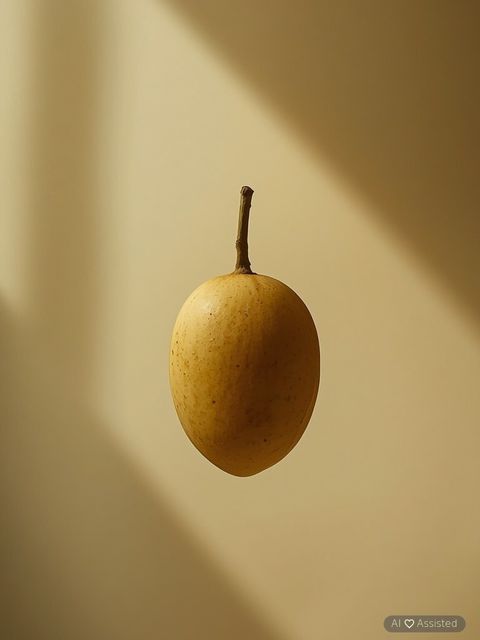
The prickly pear (Opuntia ficus-indica) – a remarkable exotic fruit boasting distinctive flavor and nutritional benefits that deserves a place in your travel culinary experiences

| Diets Premium Expert David Janitzek | min read 2 min | Scientifically reviewed by a clinical dietitian 23.10.2026 |
Smart Voice
•Listen to the article content live
Journeys to unfamiliar destinations—whether for leisure or cultural exploration—frequently introduce us to culinary traditions where local produce takes center stage. Among the most captivating natural treasures you may encounter is the prickly pear, a fruit celebrated for its subtly sweet, refreshing flavor and its dense nutritional profile. Seize the chance to experience its distinctive qualities and the array of health benefits it offers to those who incorporate it into their diet.
Want to apply these guidelines in your daily diet?
Our smart diet generator creates a tailored meal plan in 3 minutes based on the recommendations in this article.
Prickly pear – botanical origin and safe fruit preparation
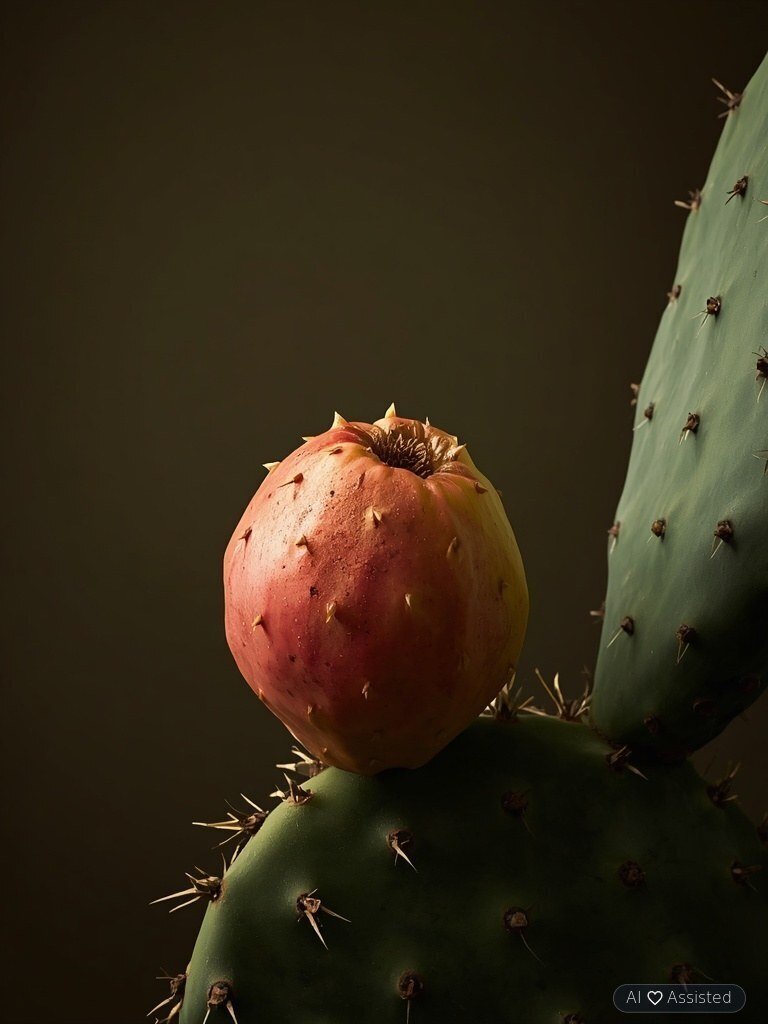
The prickly pear cactus (Opuntia ficus-indica), belonging to the Cactaceae family, is native to Mexico and now thrives across arid landscapes of the Mediterranean basin (notably Sicily), South America, and North Africa. Its oval fruits range in color from golden amber to deep ruby and purple. Safe culinary handling requires attention to the fruit's epidermis, which is lined with glochids—hair-like barbed micro-spines. To prepare the fruit safely, pierce it with a fork, slice off both apical ends, score the thick skin longitudinally, and peel it back to unveil the intensely refreshing, naturally sweet pulp filled with edible crunchy seeds.
Nutritional profile and metabolic health benefits
Prickly pear fruits boast a concentrated profile of health-promoting micronutrients and phytochemicals. With a modest caloric density (approximately 41 kcal per 100 g), they provide abundant soluble dietary fiber (pectins and mucilages), vitamin C (up to 20 mg/100 g), magnesium, calcium, and potassium. Most notably, their vibrant color stems from betalains—potent nitrogenous antioxidant pigments including betanin and indicaxanthin. Betalains protect vascular endothelial cells from lipid peroxidation and mitigate systemic inflammation. Furthermore, clinical trials indicate that opuntia polysaccharides attenuate intestinal glucose absorption, stabilizing postprandial blood glucose spikes and lowering circulating LDL cholesterol.
Culinary versatility and travel gastronomy of prickly pear
When traveling through Mediterranean regions or Latin America, fresh prickly pears serve as an unmatched hydrating treat during warm summer excursions. With a delicate flavor reminiscent of watermelon, honeydew, and ripe fig, the fruit excels in chilled fruit salads, smoothies, artisanal sorbets, and traditional reduced fruit syrups. In authentic Mexican cuisine, the tender young cactus pads (nopalitos) are equally cherished, prepared grilled or boiled in salads, tacos, and savory stews. Integrating prickly pear into your dietary repertoire provides a vibrant culinary experience alongside proven antioxidant defense.
Tags

mgr David Janitzek
✓Diets Premium Expert
Diets Premium team expert. Specializes in nutrition plans, strength sports, and training plans.
View Profile →