Therapeutic properties and applications of argan oil in natural medicine and dermatological care

| Diets Premium Expert Emilia Szymańska | min read 4 min | Scientifically reviewed by a clinical dietitian 23.10.2026 |
Smart Voice
•Listen to the article content live
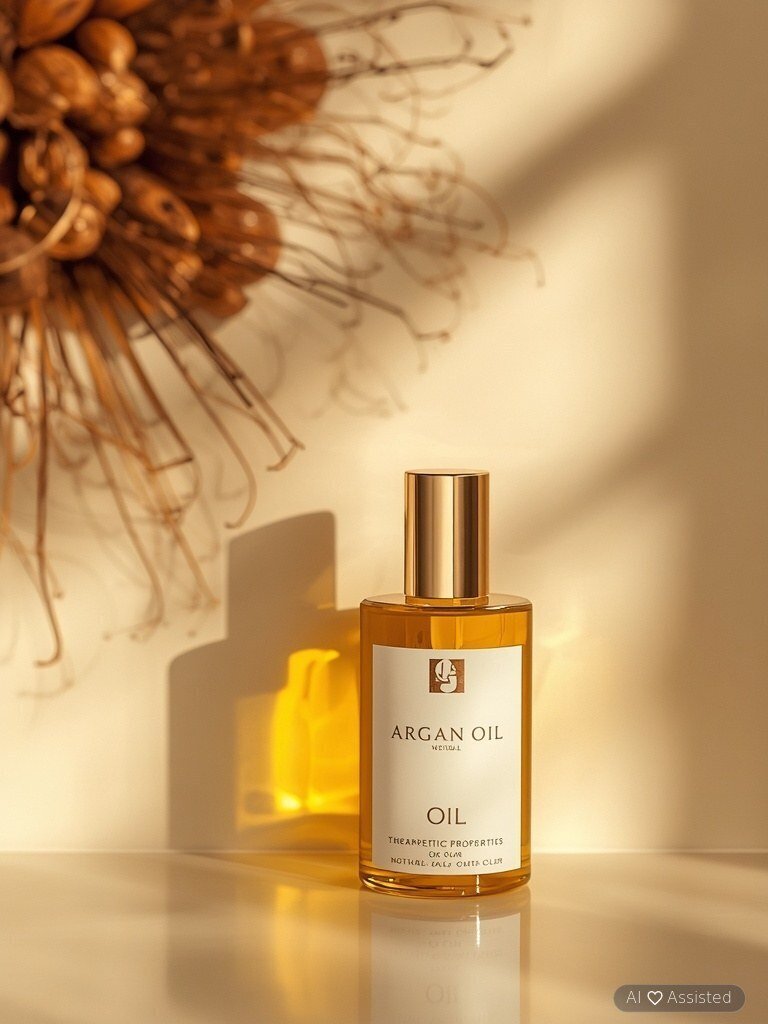
Argan oil, rightfully crowned the 'liquid gold of Morocco', ranks among the rarest and most revered botanical lipids on Earth. Extracted from the kernels of the endemic argan tree (Argania spinosa)—which thrives exclusively in southwestern Morocco within a UNESCO-protected biosphere reserve—it unites exceptional gourmet culinary virtues with substantiated dermatological, antioxidant, and cardiometabolic benefits validated by modern clinical research.
Want to apply these guidelines in your daily diet?
Our smart diet generator creates a tailored meal plan in 3 minutes based on the recommendations in this article.
Culinary versus cosmetic argan oil: Manufacturing distinctions and sensory profiles
The cardinal distinction between culinary and cosmetic grades lies in seed conditioning prior to pressing. Culinary argan oil is pressed from kernels that have been lightly toasted over open flame, yielding an amber hue and an exquisite, nutty aroma resembling roasted hazelnuts. In contrast, cosmetic-grade argan oil is cold-pressed from raw, unroasted kernels, preserving a pale golden color, subtle scent, and maximum concentrations of intact phytosterols and tocopherols.
Phytochemical profile: Unsaturated fatty acids, vitamin E, and rare phytosterols
Argan oil is composed of 80% unsaturated fatty acids: monounsaturated oleic acid (approx. 43–49%) and polyunsaturated linoleic acid (approx. 29–36%, omega-6). It delivers twice the vitamin E concentration (principally gamma-tocopherol) of virgin olive oil. Its crowning glory is an exceptional array of rare plant sterols—predominantly schotenol and spinasterol—which exhibit anti-inflammatory activity, cardioprotective properties, and competitive inhibition of dietary cholesterol absorption.
Culinary integration in gourmet cuisine and Mediterranean-style nutrition
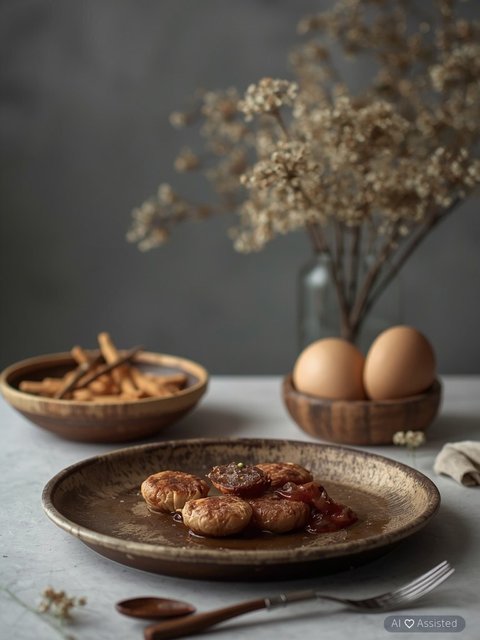
Culinary argan oil anchors traditional Moroccan gastronomy. It famously stars in amlou—a decadent artisanal paste crafted from roasted crushed almonds, raw honey, and argan oil. Because its delicate polyunsaturated fatty acids oxidize under extreme prolonged heat, it is not suited for deep frying. Instead, it serves as a luxury finishing oil drizzled over warm couscous, roasted root vegetables, grilled seafood, legume soups, and slow-cooked tagines.
Dermatological applications: Barrier repair, anti-aging, and trichology
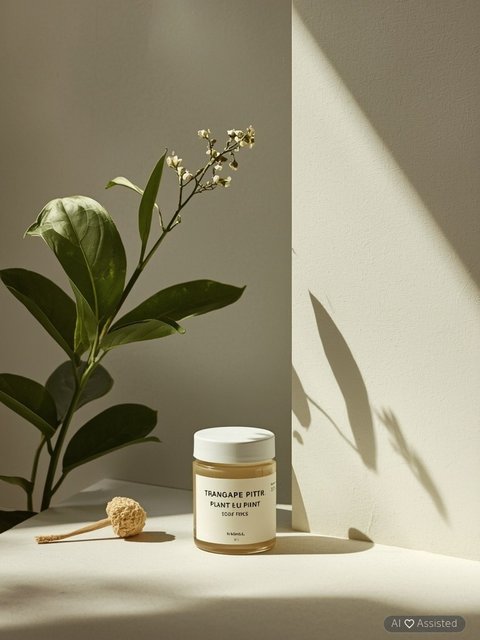
In aesthetic dermatology, cold-pressed cosmetic argan oil is celebrated for its capacity to restore the stratum corneum lipid barrier. With high natural squalene, oleic acid, and tocopherols, it deeply rehydrates mature or xerotic skin, softens fine wrinkles, and accelerates scar repair (with a non-comedogenic rating of 0). In hair care, it seals cuticles, imparts brilliant sheen, prevents split ends, and shields keratin structures against thermal styling damage.
Tags

mgr Emilia Szymańska
✓Diets Premium Expert
Diets Premium team expert. Specializes in nutrition plans, strength sports, and training plans.
View Profile →