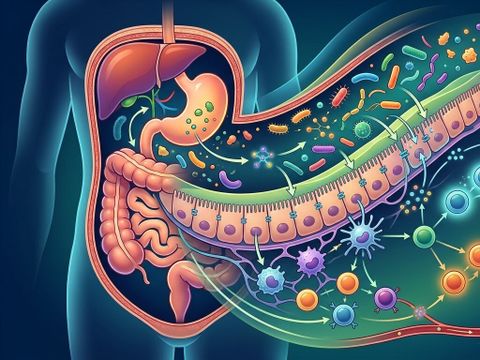
Shrimp and Prawns: Species Classification, Nutritional Profile, Astaxanthin, and Culinary Techniques

| Diets Premium Expert Emilia Szymańska | min read 4 min | Scientifically reviewed by a clinical dietitian 23.10.2026 |
Smart Voice
•Listen to the article content live
Shrimp and prawns have evolved from luxury seafood into accessible staples of modern health-conscious nutrition. Featuring an exceptionally lean protein-to-calorie ratio, they supply critical micronutrients including selenium, iodine, vitamin B12, and the potent marine carotenoid astaxanthin. This comprehensive guide covers species taxonomy, cardiovascular and anti-inflammatory benefits, culinary preparation guidelines, and harmonious ingredient pairings for home cooking.
Want to apply these guidelines in your daily diet?
Our smart diet generator creates a tailored meal plan in 3 minutes based on the recommendations in this article.
Species Taxonomy and Commercial Variants: Brown Shrimp, Cold-Water Prawns, and Black Tiger
The commercial seafood sector categorizes shrimp into cold-water and warm-water species:
- Brown Shrimp (Crangon crangon): Native to European coastal waters, the North Sea, and the Baltic. Growing up to 8–9 cm, they deliver a delicate, distinctively savory flavor prized in classic European gastronomy.
- Northern / Cold-Water Prawns (Pandalus borealis): Harvested from the pristine Arctic waters of Norway, Greenland, and Canada. Their slow developmental cycle produces tender, sweet meat rich in natural moisture.
- Black Tiger Prawns (Penaeus monodon): Large warm-water crustaceans hailing from the Indo-Pacific, growing up to 30–33 cm. Their robust muscle density makes them ideal for grilling, broiling, and skewering.
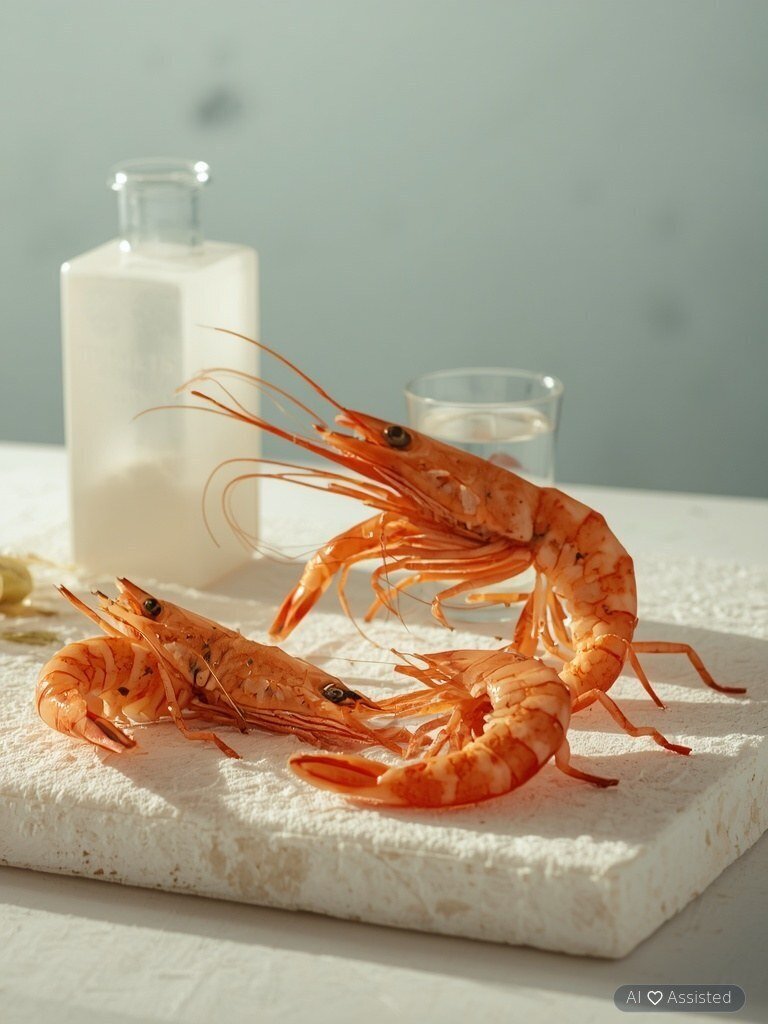
- Product Formats: Available raw (translucent gray) or pre-cooked (pinkish-orange), shell-on (easy-peel) or peeled and deveined, fresh or individually quick frozen (IQF).
Nutritional Profile and Bioactive Compounds: Astaxanthin and Cardiovascular Health
Shrimp deliver superior nutrient density per calorie:
- Macronutrient Density: A 100 g cooked portion provides 20–24 g of complete, bioavailable protein with less than 100 kcal and under 1.5 g of fat.
- Astaxanthin Power: The vibrant carotenoid responsible for their red hue upon cooking exhibits exceptional free-radical scavenging capacity. It crosses the blood-retinal and blood-brain barriers, supporting visual acuity, reducing endothelial oxidation, and dampening inflammatory markers.
- Trace Minerals & Dietary Cholesterol: Rich in selenium, zinc, and iodine for thyroid optimization. While naturally containing dietary cholesterol (~160 mg/100 g), meta-analyses confirm that dietary shellfish consumption does not adversely impact serum atherogenic lipid profiles in healthy individuals.
Culinary Techniques: Cleaning, Deveining, and Thermal Precision
Preparing shrimp requires fundamental culinary precision to retain tender texture:
- Cleaning and Deveining: Remove legs and carapace, leaving the tail intact if desired for presentation. Make a shallow incision along the dorsal ridge to lift out the dark digestive vein. Reserved shells and heads can be simmered into an aromatic seafood stock.
- Cooking Precision: Crustacean proteins coagulate rapidly. Overcooking results in rubbery, tough texture. In a hot skillet, raw shrimp require just 90–120 seconds per side until they transition from translucent gray to opaque pink and form a gentle "C" curl (an overly tight "O" shape indicates overcooking).
- Pre-cooked Variants: Thawed pre-cooked shrimp need only 30–60 seconds of gentle residual heat to warm through without toughening the delicate protein.
Flavor Pairings and Signature Recipe: Garlic and White Wine Shrimp
Shrimp pair exquisitely with bright, aromatic, and acidic flavor notes:
- Aromatic Complements: Fresh garlic, red chili peppers, ginger, cilantro, flat-leaf parsley, citrus zest, lemongrass, and rich coconut milk.
- Classic Recipe Ingredients (Serves 2): 400 g raw deveined shrimp, 4 thinly sliced garlic cloves, 1/2 minced chili pepper, 80 ml dry white wine, 30 g unsalted butter, 1 tbsp extra virgin olive oil, juice of half a lemon, fresh parsley, sea salt, and black pepper.
- Step-by-Step Execution: Heat oil and half the butter in a skillet. Sauté garlic and chili for 30 seconds until fragrant. Add shrimp in a single layer and sear for 90 seconds. Flip, pour in white wine, and simmer vigorously for 1–2 minutes to reduce the liquid. Swirl in remaining cold butter to emulsify into a silky sauce, finish with lemon juice and chopped parsley, and serve immediately with crusty sourdough bread.

mgr Emilia Szymańska
✓Diets Premium Expert
Diets Premium team expert. Specializes in nutrition plans, strength sports, and training plans.
View Profile →