PRO
7 min read
Is sushi beneficial for health? How to properly prepare sushi.

Tim Klein
✓
Diets Premium Expert • 24.09.2026
✓
Scientifically reviewed by a clinical dietitian:
This article has been peer-reviewed for adherence to IŻŻ, WHO, and PTGiP clinical nutritional standards.
| Diets Premium Expert Tim Klein | min read 7 min | Scientifically reviewed by a clinical dietitian 24.09.2026 |
Smart Voice
•Listen to the article content live
0:00
/
0:00
Key Takeaways
Sushi, a delicate dish made with rice and seafood, is popular in both professional and social settings. Which individuals can enjoy it without concerns, and for whom might it pose potential health risks?
Meal Plan
Want to apply these guidelines in your daily diet?
Our smart diet generator creates a tailored meal plan in 3 minutes based on the recommendations in this article.
PRO Content
PRO
This article is professional premium content (PRO) provided in its entirety.
What is sushi?
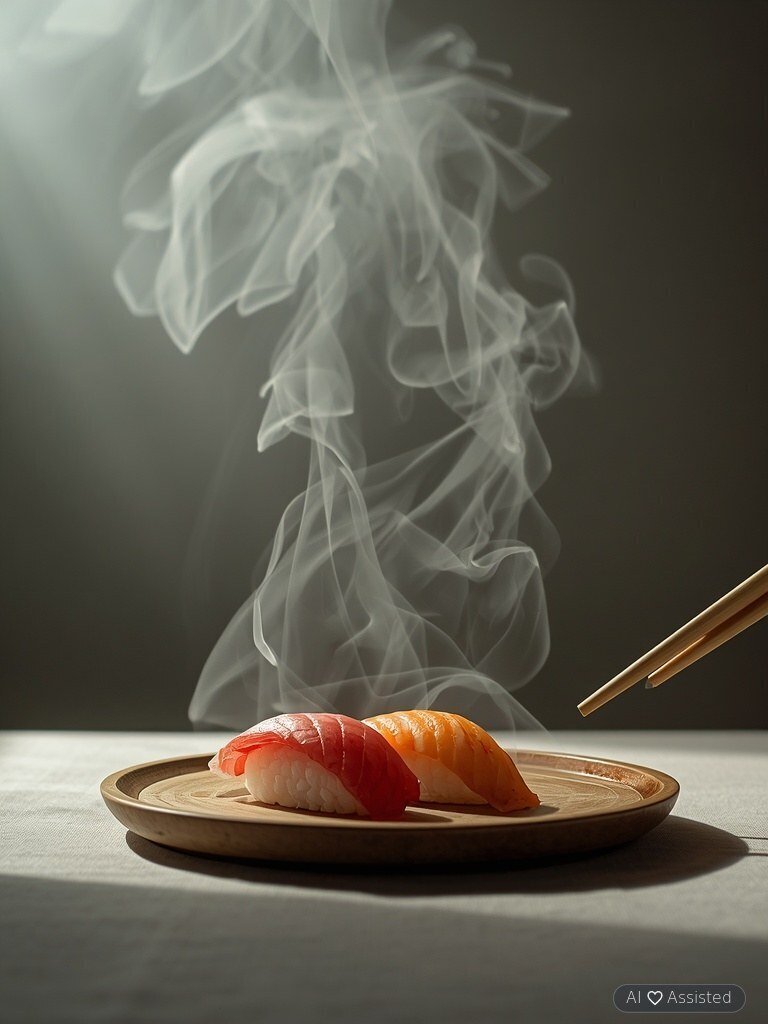
Sushi is a traditional dish of Japanese cuisine. It is white rice wrapped in dried noodles. However, in its original form, sushi does not resemble the raw fish, vegetables, omelet, and sesame seeds. It all adds up to an elegant and tasty composition. To wrap the rolls, a special mixture of many bamboo sticks is used.
What kind of sushi are they?
There are several types of sushi. The main differences between them are in the shape of the pieces. Below I have listed some of the most common types of Japanese treats. Nigiri portion of rice formed into small rollers, on which is placed a fish patch or a sliced shrimp. In nigiri no hides are used. Maki (or hos) rice with fish and vegetables wrapped in dried nori algae. Maki can also be made with the rice and vegetable itself, for example.
Is sushi healthy?
As usual, when answering this question, we need to be clear about who we mean by salt. Healthy people who are not struggling with diabetes or insulin resistance can easily eat sushi. Since it's a rather laborious and expensive meal, it should be expected that eating it is a demonstrative pleasure for most people and not a regular part of the diet. Since sushi salt contains fish and seafood, as well as algae, it is an excellent source of fatty acids EPA and DHA, protein and zinc. However, sushi should also be avoided by diabetics because of the cooked white rice, which has a high glycemic index and fat content. People who are allergic to rice and fruit sushi will also be unwilling to eat this soup.
Sushi and weight loss
Sushi, like many other foods, can be eaten on a weight-loss diet while still maintaining the effects. We lose weight as long as our daily diet delivers fewer calories than our body's daily energy needs. Eating a few pieces of sushi as part of a meal should not interfere with the weight loss diet. But sometimes the diet has a different purpose. If you lose weight because you have diabetes or insulin resistance and that's part of the therapy, the calories that come from it are much more important.
How many calories does it have?
It all depends on the ingredients used and the type of sushi. Hosomaki with vegetables will always be less calorific than, for example, Uramaki with salmon, avocado and Philadelphia sauce. Frying a roll of sushi in a tempur also increases its caloric content.
How do you eat sushi?
Sushi is eaten with your fingers or sticks with the addition of soy sauce and wasabi paste... between each piece you eat a piece of ginger marinated to clean the tasting cups... remember that these are not mandatory ingredients of this dish, but rather spices... it's important to eat sushi fresh, at room temperature... then its taste will be best... you can hide the rest of the sushi in a sealed refrigerator and eat it the next day... don't store sushi for too long.
How do you make sushi at home?
Sushi can also be made at home. Since it has gained more popularity in Europe, all the ingredients for making it can be found in the supermarket. If you're just starting your adventure with homemade sushi, you can start by buying a set of sushi sets. You can find in it, among other things, matte to wrap sushi, sticks, wasabi and nori. In the finished set you can also find instructions on how to make sushi.

mgr Tim Klein
✓Diets Premium Expert
Diets Premium team expert. Specializes in nutrition plans, strength sports, and training plans.
View Profile →