4 min read

Quinoa – Preparation Method and Characteristics of the Pseudocereal

Tomasz Jankowski
Tomasz Jankowski ✓
Diets Premium Expert • 25.09.2026
✓
Scientifically reviewed by a clinical dietitian: This article has been peer-reviewed for adherence to IŻŻ, WHO, and PTGiP clinical nutritional standards.
Diets Premium Expert Tomasz Jankowski min read 4 min Scientifically reviewed by a clinical dietitian 25.09.2026
Quinoa – Preparation Method and Characteristics of the Pseudocereal

Smart Voice

•

Listen to the article content live

0:00 / 0:00
Key Takeaways
An ancient type of cereal, that's how the people of the Andes referred to the plant long ago, which today is known as rice cumin. It stands out for its advantageous composition of nutrients, which are beneficial for the body, and can be considered a health-promoting substance.
Meal Plan

Want to apply these guidelines in your daily diet?

Our smart diet generator creates a tailored meal plan in 3 minutes based on the recommendations in this article.

Quinoa (Chenopodium quinoa): Botanical profile, nutritional attributes, and culinary-agricultural applications

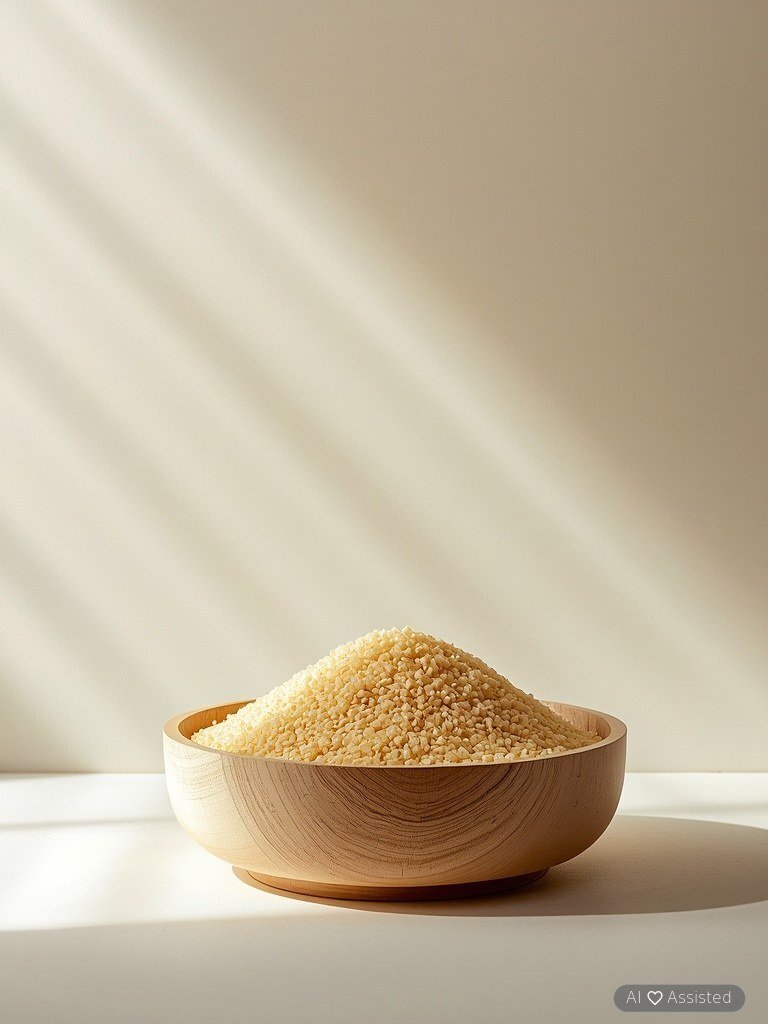
Quinoa (*Chenopodium quinoa*), colloquially referred to as "Andean rice" or "gold of the Incas," has constituted a dietary cornerstone for indigenous populations across the Andean highlands—spanning from southern Chile to northern Colombia—for millennia. Within the *Amaranthaceae* family, nearly one hundred distinct cultivars have been cataloged, each exhibiting unique variations in stem pigmentation, foliar morphology, and the dense panicle-like inflorescences. As an annual herbaceous plant, quinoa yields diminutive, flattened seeds of an elliptical profile, whose color palette ranges from ivory white and golden yellow to deep ruby red and near-ebony hues—variations directly influenced by the microclimatic and edaphic conditions of the cultivation site. The harvested seeds are milled into a nutrient-dense flour, serving as the primary ingredient for artisanal bread, pasta formulations, and protein-fortified breakfast cereals. Notably, quinoa fulfills a dual agricultural role: beyond its classification as a pseudocereal, its tender leaves—abundant in bioavailable iron, B-complex vitamins, and polyphenolic antioxidants—are consumed as a leafy green vegetable, offering a nutritional profile and organoleptic qualities comparable to spinach or Swiss chard.

Rice goosefoot (quinoa) – nutritional composition and biological value

The seeds of rice goosefoot (quinoa) represent an exceptionally comprehensive source of nutrients, encompassing nearly the full spectrum of essential compounds. Of particular note is their high content of complete protein, which surpasses the protein quality of many other cultivated plants. This protein is distinguished by a significant presence of exogenous amino acids—lysine, methionine, and threonine—which the human body cannot synthesize independently, making them indispensable dietary components. Furthermore, quinoa provides valuable unsaturated fatty acids, including linolenic acid (omega-3), linoleic acid (omega-6), and oleic acid (omega-9), with a fatty acid profile comparable to that of maize. Regarding carbohydrates, these seeds are characterized by low levels of simple sugars (glucose and fructose), with starch constituting the predominant fraction. The table below presents a comparative chemical analysis of quinoa seeds relative to selected cereals, accounting for dry matter, proteins, carbohydrates, fiber, fats, and mineral substances.

Quinoa preparation techniques and caloric value from a dietary perspective

Prior to the culinary preparation of quinoa seeds, it is essential to perform a thorough rinsing under a steady stream of clean water to effectively eliminate the inherent bitterness associated with this pseudocereal. The ideal thermal processing parameters vary according to the specific cultivar: white quinoa requires cooking in a volumetric ratio of one part seeds to two parts water for approximately fifteen minutes, whereas red and black varieties necessitate a slightly extended cooking duration. Upon completion of the boiling process, it is advisable to allow the cooked quinoa to rest, covered, for roughly ten minutes to facilitate complete absorption of residual moisture and to achieve the desired textural consistency. To enhance the nutty flavor profile of the seeds, a preliminary step of gentle dry-roasting in a preheated, ungreased skillet may be employed. From a nutritional standpoint, a 100-gram serving of prepared quinoa provides the body with approximately 120 kilocalories. The marked increase in consumer interest observed in recent years can be attributed to quinoa’s exceptional nutritional composition, which includes a comprehensive array of essential amino acids, phenolic compounds with antioxidant properties, and a high concentration of both micro- and macronutrients. An additional advantage of quinoa lies in its low glycemic index (GI=35), rendering it a suitable dietary option for individuals with carbohydrate metabolism disorders, as well as its inherent gluten-free nature, which permits its inclusion in the diets of those diagnosed with celiac disease or gluten sensitivity. These characteristics substantiate quinoa’s classification as a *superfood*—a category of food products demonstrated to exert beneficial effects on human health.
mgr Tomasz Jankowski

mgr Tomasz Jankowski

✓

Diets Premium Expert

Diets Premium team expert. Specializes in nutrition plans, strength sports, and training plans.

View Profile →

Recommended articles in this category

Related Articles

Discover similar publications and expert insights.

Quinoa – Properties, Price, and Recipes
Assistance
Quinoa – Properties, Price, and Recipes
⏱ 5 min czytania
#Assistance #Quinoa
Culinary Novelties and Superfoods: Modern Gastronomic Trends
Quinoa
Culinary Novelties and Superfoods: Modern Gastronomic Trends
⏱ 3 min czytania
#Quinoa
Wild Rice: Properties, Prices and Recipes. Which Rice Is the Healthiest?
Dietary Fiber
Wild Rice: Properties, Prices and Recipes. Which Rice Is the Healthiest?
⏱ 6 min czytania
#Dietary Fiber #Fiber
How to Prepare Rice Porridge: A Proven Method for Digestive Issues
Easy
How to Prepare Rice Porridge: A Proven Method for Digestive Issues
⏱ 3 min czytania
#Easy #Gastrointestinal Symptoms
Koji – Characteristics, Production, and Applications of Fermented Rice
Steamed Rice
Koji – Characteristics, Production, and Applications of Fermented Rice
⏱ 4 min czytania
#Steamed Rice #Fermented
Features of black rice... How to prepare black rice?
Rice
Features of black rice... How to prepare black rice?
⏱ 5 min czytania
#Rice
Nutritional Division – Resist the Temptations!
Nutrition
Nutritional Division – Resist the Temptations!
⏱ 3 min czytania 📚 Nutrition
#Nutrition #Soup
4 Most Significant Exercises for Back Muscles
Upper Body
4 Most Significant Exercises for Back Muscles
⏱ 3 min czytania
#Upper Body #Pea
Cabbage, Fruits, Rice, Protein – Dangerous Monotonic Diets
Egg Protein
Cabbage, Fruits, Rice, Protein – Dangerous Monotonic Diets
⏱ 6 min czytania
#Egg Protein #Cabbage
Traditional Japanese culinary arts: regional characteristics and iconic master dishes
Japanese Cuisine
Traditional Japanese culinary arts: regional characteristics and iconic master dishes
⏱ 5 min czytania
#Japanese Cuisine #Culinary Art
Is sushi beneficial for health? How to properly prepare sushi.
Seafood
Is sushi beneficial for health? How to properly prepare sushi.
⏱ 7 min czytania
#Seafood #Rice
Rice Flakes: Nutritional Value, Health Benefits, Calories, Glycemic Index, and Culinary Recipes
Porridge
Rice Flakes: Nutritional Value, Health Benefits, Calories, Glycemic Index, and Culinary Recipes
⏱ 7 min czytania
#Porridge #Rice
Whole Grain Flours in Practice: Wheat, Rye, Spelt, and Brown Rice – Nutritional Characteristics, Culinary Applications, and Health Benefits
Nutritional Benefits
Whole Grain Flours in Practice: Wheat, Rye, Spelt, and Brown Rice – Nutritional Characteristics, Culinary Applications, and Health Benefits
⏱ 3 min czytania
#Nutritional Benefits #Whole Grain Flour
Maize – The Grain That Conquered the Globe
Wheat
Maize – The Grain That Conquered the Globe
⏱ 4 min czytania
#Wheat #Maize
Cardamom – Properties and Uses of the Aromatic Stimulant
Meat
Cardamom – Properties and Uses of the Aromatic Stimulant
⏱ 2 min czytania
#Meat #Red Meat Nutrition
All the crucial information you need to know about rice waffles before consuming them!
Rice Wafers
All the crucial information you need to know about rice waffles before consuming them!
⏱ 2 min czytania
#Rice Wafers #Snack Food
Rice Noodles – Varieties, Nutritional Profile, Glycemic Index, and Culinary Recipes
Food Science
Rice Noodles – Varieties, Nutritional Profile, Glycemic Index, and Culinary Recipes
⏱ 2 min czytania 📚 Food Science
#Rice Noodles #Magnesium
Comparative Analysis of Soy Milk and Rice Milk: Nutritional Profiles, Glycemic Impact, and Culinary Roles
Nutritional Properties
Comparative Analysis of Soy Milk and Rice Milk: Nutritional Profiles, Glycemic Impact, and Culinary Roles
⏱ 4 min czytania
#Nutritional Properties #Essential Amino Acids
Rice-based beverages in the diets of expectant mothers, nursing women, infants, and young children – nutritional evaluation and safety considerations
Pregnancy & Motherhood
Rice-based beverages in the diets of expectant mothers, nursing women, infants, and young children – nutritional evaluation and safety considerations
⏱ 4 min czytania 📚 Pregnancy & Motherhood
#Essential Nutrients #Dietary Preferences
Folate Acids - Action, Sources in Food, Consequences of Deficiency, Supplementation
Pregnancy & Motherhood
Folate Acids - Action, Sources in Food, Consequences of Deficiency, Supplementation
⏱ 6 min czytania 📚 Pregnancy & Motherhood
#Pregnancy
Gluten - Good or Bad?
⏱ 6 min czytania
Emotional Hunger and Physical Hunger - How to Cope with Emotional Eating
⏱ 8 min czytania
Indian Mustard - properties and applications
⏱ 3 min czytania
Preparation and Cooking of Grain Kernels - Practical Guidelines and Advice
⏱ 5 min czytania
GEO - is it safe? What benefits does it offer?
⏱ 5 min czytania
Gluten – Who Really Suffers from It?
⏱ 10 min czytania
Granola - Ready-Made or Homemade? An Analysis and Decision Aid
⏱ 5 min czytania
How to Properly Choose the Right Tea
⏱ 2 min czytania
Pomegranate Tree - Nutritional Value, Influence on Health, Application and Contraindications
⏱ 14 min czytania
Halibut - Nutritional Components and Health Properties of the Largest Marine Flatfish
⏱ 8 min czytania

Share