Rice Flakes: Nutritional Value, Health Benefits, Calories, Glycemic Index, and Culinary Recipes

| Diets Premium Expert Katarzyna Mazur | min read 7 min | Scientifically reviewed by a clinical dietitian 23.10.2026 |
Smart Voice
•Listen to the article content live
Rice flakes are a naturally gluten-free cereal product prized for their exceptional digestibility, mild flavor, and rapid cooking time. Manufactured by steaming and rolling whole rice kernels, they serve as an outstanding carbohydrate source for athletes, children, and individuals recovering from gastrointestinal disorders. This evidence-based guide explores their macronutrient profile, glycemic dynamics, and wholesome culinary applications.
Want to apply these guidelines in your daily diet?
Our smart diet generator creates a tailored meal plan in 3 minutes based on the recommendations in this article.
This article is professional premium content (PRO) provided in its entirety.
Rice flakes: Characteristics and production process
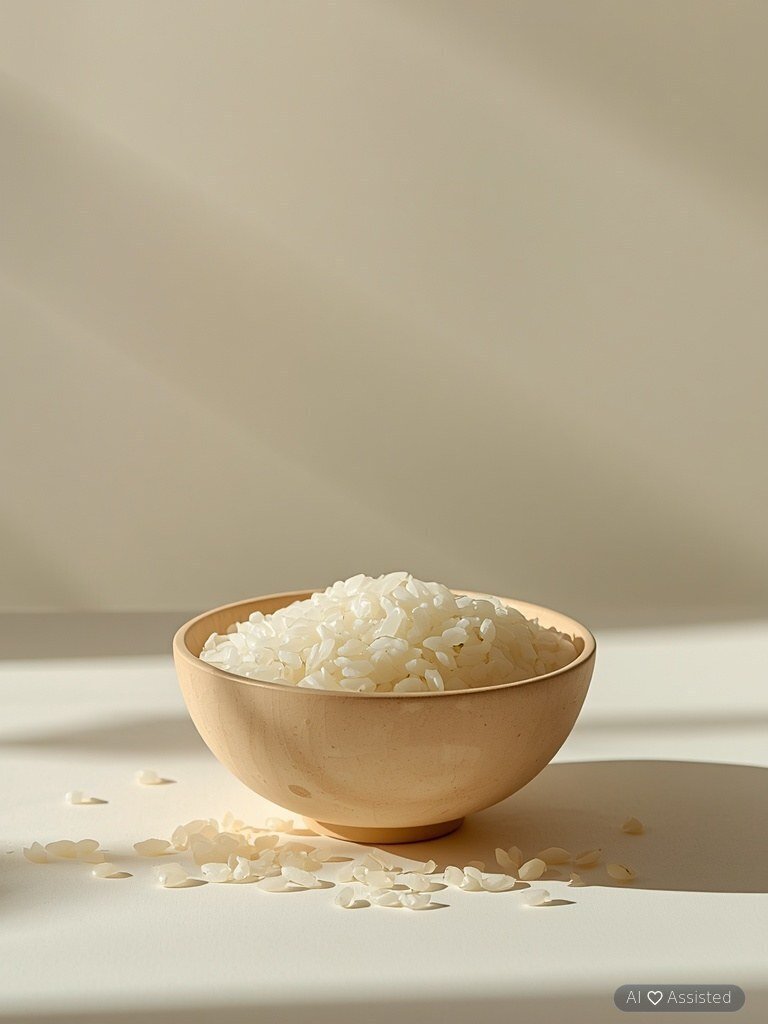
Rice flakes are produced through hydrothermal processing: whole rice kernels are cleaned, subjected to high-pressure steam, and then flattened between heavy mechanical rollers. This pre-gelatinizes starch molecules, dramatically shortening subsequent kitchen preparation to just 2 to 3 minutes of gentle simmering or soaking. Because they are naturally free of gluten proteins, rice flakes are an ideal, non-irritating grain choice for patients with celiac disease, non-celiac gluten sensitivity, or acute digestive distress.
Nutritional value and health benefits of rice flakes
Nutritionally, rice flakes primarily supply complex carbohydrates alongside moderate amounts of easily assimilated vegetable protein and minimal dietary fat. A 100 g portion provides roughly 7 g of protein and less than 1 g of fat, making them virtually fat-free and exceptionally gentle on the gastric mucosa. They furnish essential micronutrients including thiamine (vitamin B1), niacin (vitamin B3), magnesium, iron, and phosphorus. Because they contain negligible fiber compared to bran or oats, they leave the stomach rapidly without inducing bloating.
Caloric density and glycemic index of rice flakes
Dry rice flakes exhibit a high glycemic index (GI approximately 80), reflecting rapid starch breakdown into glucose. A standard 100 g dry portion yields about 340–350 kcal. A standard individual serving generally requires only 40–50 g (yielding roughly 150–175 kcal). While athletes benefit from rapid glycogen resynthesis post-workout, individuals managing insulin resistance or type 2 diabetes should always pair rice flakes with protein sources (Greek yogurt, whey, cottage cheese), healthy lipids (nuts, chia seeds), and dietary fiber to flatten postprandial glucose curves.
Rice flakes for weight management and athletic nutrition
In athletic nutrition and body composition management, rice flakes serve distinct functions. During hypocaloric weight-loss phases, their rapid digestion requires strict portion control to maintain satiety. Conversely, for competitive strength and endurance athletes, rice flakes represent one of the purest, most rapidly absorbed pre- and post-workout fuel sources, facilitating swift glycogen replenishment without gastrointestinal heaviness during intense training.
How to cook rice flakes: Water vs. milk preparation
Cooking rice flakes is remarkably straightforward. They can be cooked in water, dairy milk, or fortified plant-based milk alternatives (such as almond or oat milk) using a 1:2 or 1:2.5 volume ratio. Simmering them for 2 to 3 minutes produces a silky, porridge-like consistency. Simmering in water provides the lowest caloric option, while cooking in milk enhances protein content and creaminess. Alternatively, pouring boiling liquid over the flakes and steeping them covered for 5 minutes yields a velvety texture with zero active cooking.
Are rice flakes healthy? Clinical and dietary indications
Are rice flakes a healthy dietary staple? The clinical answer depends on individual metabolic goals. They are unequivocally wholesome for individuals with celiac disease, digestive inflammation, pediatric needs, or acute gastrointestinal recovery. For sedentary individuals seeking sustained four-hour satiety, whole rolled oats or rye flakes may prove superior due to higher beta-glucan content; however, rice flakes remain an irreplaceable hypoallergenic grain alternative when appropriately integrated into balanced meals.
Healthy culinary recipes with rice flakes
Raspberry-Coconut Rice Pudding Bowl (4 Servings): Combine 150 g rice flakes with 400 ml unsweetened coconut milk and 200 ml water. Simmer gently for 3 minutes until thickened. Stir in a dash of vanilla extract and 1 tablespoon of pure honey. Divide into bowls, top with 200 g fresh or warmed raspberries and toasted coconut flakes. This balanced recipe delivers roughly 185 kcal per serving alongside wholesome lipids, clean carbohydrates, and protective polyphenols.

Katarzyna Mazur
✓Diets Premium Expert
Diets Premium team expert. Specializes in nutrition plans, strength sports, and training plans.
View Profile →