Millet Porridge – Nutritional Values, Drawbacks, Uses, and Recipes

| Diets Premium Expert Laura Schneider | min read 4 min | Scientifically reviewed by a clinical dietitian 25.09.2026 |
Smart Voice
•Listen to the article content live
Want to apply these guidelines in your daily diet?
Our smart diet generator creates a tailored meal plan in 3 minutes based on the recommendations in this article.
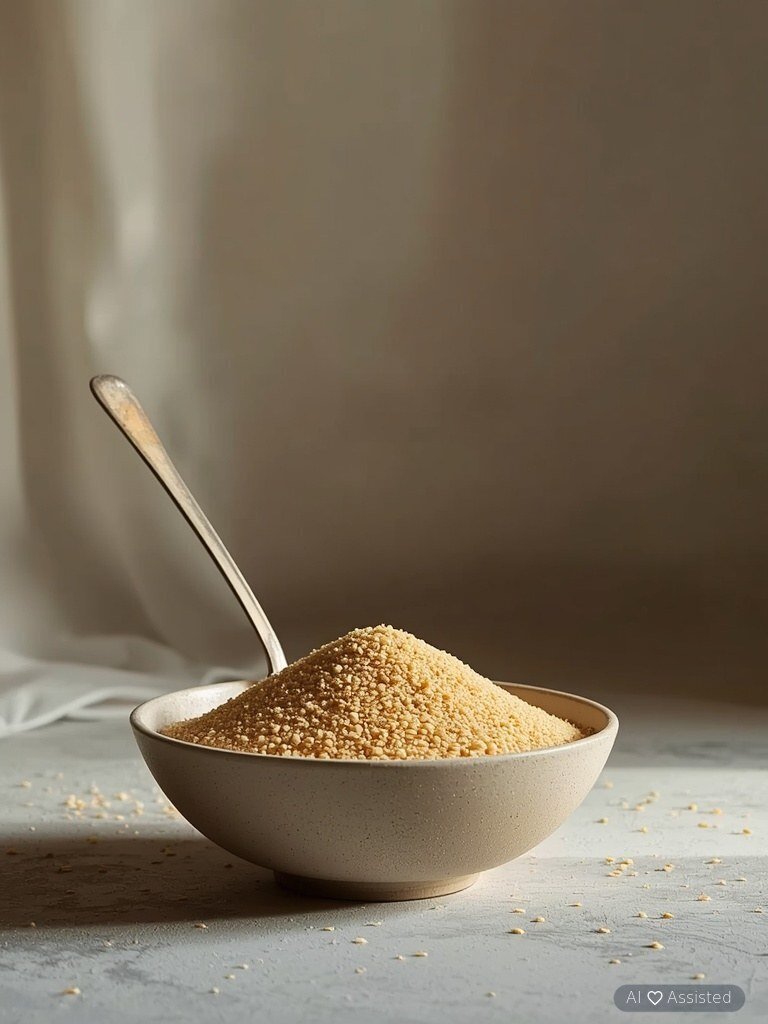
Millet groats – a nutrient-dense ancient grain prepared from dehulled proso millet seeds
Millet groats are derived from dehulled proso millet seeds, a cereal originally cultivated in what is now China during the Neolithic period before gradually spreading across Asia and into Europe. While its popularity surged across the European continent only in the latter half of the 20th century—particularly during the 1970s—its widespread adoption in Polish cuisine occurred even later, within the past few decades. Despite this delayed recognition of its merits, it has since gained increasing favor among consumers owing to its exceptionally dense nutritional composition. Regular incorporation into one’s diet yields measurable benefits for overall physiological function, a claim supported by both longstanding culinary traditions and contemporary nutritional research.
Millet nutritional profile: A detailed examination of its health-promoting components and dietary advantages
Millet’s Metabolic Drawbacks: A Critical Examination of Its Glycemic and Dietary Limitations
The multifaceted culinary and nutritional applications of millet groats
It's all about the recipe
A nourishing bowl of sweet millet porridge enriched with dried fruits, nuts, and warming spices makes an outstanding, energy-dense breakfast.
Spiced Millet Porridge with Dried Fruits and Seeds
Ingredients: 60 g raw millet groats, approx. 1/2 cup milk (dairy or plant-based), 3/4 cup water, 2 tbsp raisins (20 g), 1 tbsp pumpkin seeds and 1 tbsp sunflower seeds (10 g each), 1 tsp pure cocoa powder, 1/2 tsp butter, a pinch each of cinnamon, cardamom, nutmeg, and sea salt, optionally 1 tsp raw honey and fresh seasonal fruit (such as blueberries or banana slices).
Preparation: Thoroughly rinse the millet under hot running water in a fine sieve to eliminate any natural saponin bitterness. Place in a saucepan with water, milk, butter, salt, and spices. Simmer covered over low heat for approximately 15 minutes until liquid is fully absorbed. Stir in raisins. Lightly toast pumpkin and sunflower seeds in a dry pan. Combine toasted seeds with the warm millet, transfer to a bowl, dust with cocoa powder, and top with fresh fruit or honey.
Nutritional value per serving: approx. 478 kcal, carbohydrates: 66 g, protein: 16 g, fat: 17 g, dietary fiber: 7 g.
Nutritional Summary: Millet groats stand out for their alkalizing potential and high concentration of B-complex vitamins, which strengthen neurological health and cellular energy metabolism. They also serve as an exceptional dietary source of bioavailable silica and zinc, contributing to radiant skin, strong hair, and joint integrity. Being naturally gluten-free and gentle on digestion, millet is an essential staple in balanced nutrition.

Laura Schneider
✓Diets Premium Expert
Diets Premium team expert. Specializes in nutrition plans, strength sports, and training plans.
View Profile →