Therapeutic Properties of the Common Onion: Phytochemical Profile, Nutritional Value, and Health Benefits

| Diets Premium Expert Lena Bauer | min read 4 min | Scientifically reviewed by a clinical dietitian 23.10.2026 |
Smart Voice
•Listen to the article content live
The common onion (Allium cepa) transcends its role as a basic culinary staple, functioning as a potent botanical powerhouse rich in organosulfur bioactives, cardioprotective flavonoids (notably quercetin), and prebiotic fructans. This article reviews the nutritional matrix and empirical pharmacological actions of onions, detailing their antimicrobial, anti-atherosclerotic, and glycemic-modulating mechanisms alongside culinary preparation guidelines.
Want to apply these guidelines in your daily diet?
Our smart diet generator creates a tailored meal plan in 3 minutes based on the recommendations in this article.
Botanical Profile and Phytochemical Composition of Allium cepa
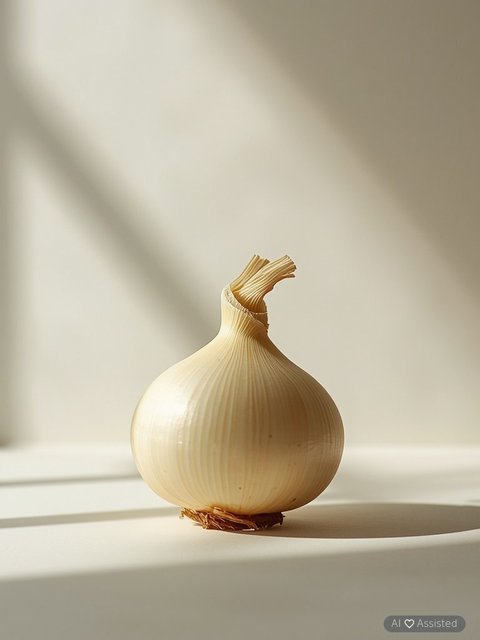
The bulb onion (Allium cepa) belongs to the Amaryllidaceae family. Its pungency and lachrymatory properties stem from volatile sulfur-containing precursors activated upon cellular disruption, when the enzyme alliinase cleaves sulfoxides into thiosulfinates and propanethial S-oxide.
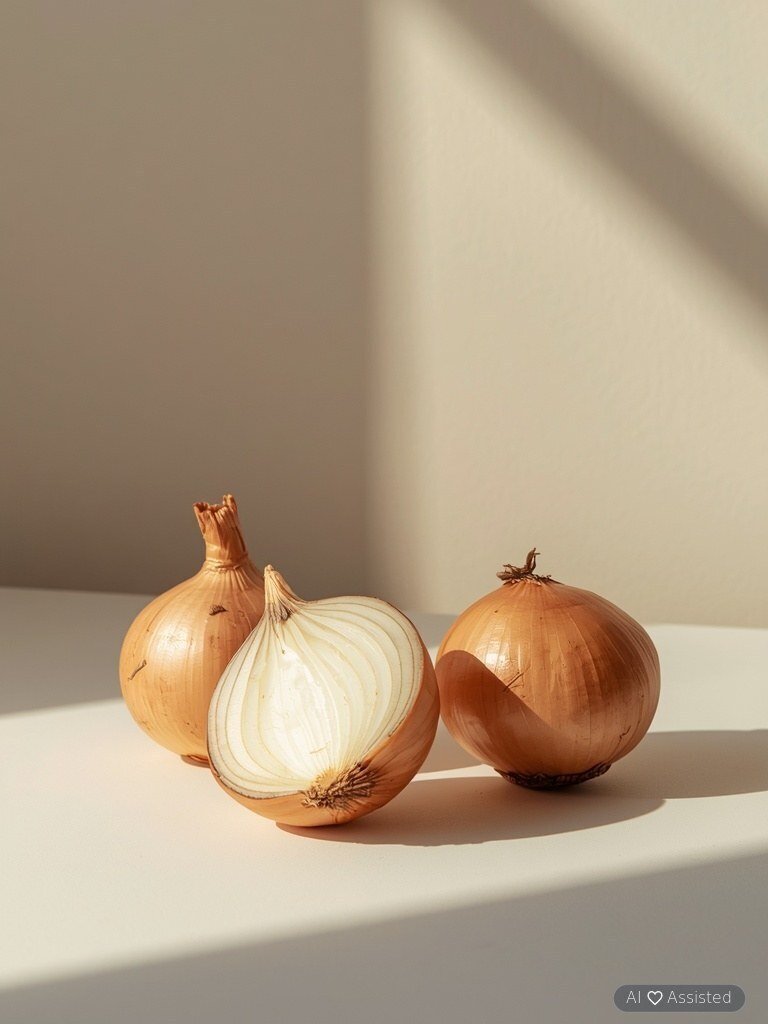
Beyond organosulfur compounds, onions are renowned for their extraordinary density of quercetin—a potent bioflavonoid possessing robust antioxidant, antiproliferative, and anti-inflammatory activities, preferentially concentrated in the outermost epidermal layers. Red onion cultivars additionally deliver cardioprotective anthocyanins.
Nutritional Value, Trace Minerals, and Prebiotic Fructans
Onions provide a low-caloric density (approx. 40 kcal per 100 g) coupled with high micronutrient concentration:
- Vitamin C and B-Complex: Essential cofactors for immune defense, neurotransmitter metabolism, and connective tissue maintenance.
- Essential Trace Minerals: Delivers bioavailable potassium, phosphorus, calcium, magnesium, and dietary chromium, an element modulating insulin receptor kinase activity.
- Prebiotic Inulin and FOS: High concentrations of fructooligosaccharides that selectively stimulate beneficial bifidobacteria and lactobacilli in the gut microbiome.
Therapeutic Benefits: Cardiovascular Defense, Antimicrobial Action, and Glycemic Control
The empirical medicinal properties of onions are corroborated by modern clinical science:
- Vascular and Cardioprotective Effects: Quercetin mitigates LDL oxidation, blunts platelet aggregation, and promotes endothelial nitric oxide synthase, assisting arterial blood pressure regulation.
- Antimicrobial Potency: Organosulfur bioactives inhibit major pathogens (including Staphylococcus aureus and Helicobacter pylori), acting as a natural adjunct in upper respiratory tract infections.
- Glycemic Optimization: Allyl propyl disulfide and chromium augment peripheral glucose clearance, supporting stable postprandial glucose dynamics.
Culinary Preparation and Home Remedies: Traditional Onion Syrup and Nutrient Retention
Optimizing the bioactive retention of onions involves informed culinary practices:
- Raw vs. Cooked Profiles: Raw onions maximize volatile organosulfur compounds and vitamin C. Conversely, quercetin is thermally stable; gentle baking or simmering retains flavonoid density, provided the cooking broth is consumed.
- Traditional Onion Syrup: Dice two large onions, layering them in a glass jar with raw honey or sugar and lemon juice. Within hours, a soothing, expectorant syrup forms that relieves coughs and sore throats.
Tags

Lena Bauer
✓Diets Premium Expert
Diets Premium team expert. Specializes in nutrition plans, strength sports, and training plans.
View Profile →