3 min read

Stevia - properties, nutritional values, and utilization

Mia Hoffmann
Mia Hoffmann ✓
Diets Premium Expert • 24.09.2026
✓
Scientifically reviewed by a clinical dietitian: This article has been peer-reviewed for adherence to IŻŻ, WHO, and PTGiP clinical nutritional standards.
Diets Premium Expert Mia Hoffmann min read 3 min Scientifically reviewed by a clinical dietitian 24.09.2026
Stevia - properties, nutritional values, and utilization

Smart Voice

•

Listen to the article content live

0:00 / 0:00
Key Takeaways
Stevia is a natural sweetener that is several hundred times sweeter than conventional white sugar. It has been recognized by the Polish Society of Dietetics as the best sucrose substitute because numerous studies confirm that it is safe to use and has a beneficial effect on health. Stevia does not provide calories, does not accumulate in the body, acts as a hypoglycemic, immunosuppressive and anti-inflammatory agent.
Meal Plan

Want to apply these guidelines in your daily diet?

Our smart diet generator creates a tailored meal plan in 3 minutes based on the recommendations in this article.

Stevia (*Stevia rebaudiana*) – a natural sugar substitute with exceptional health-promoting properties

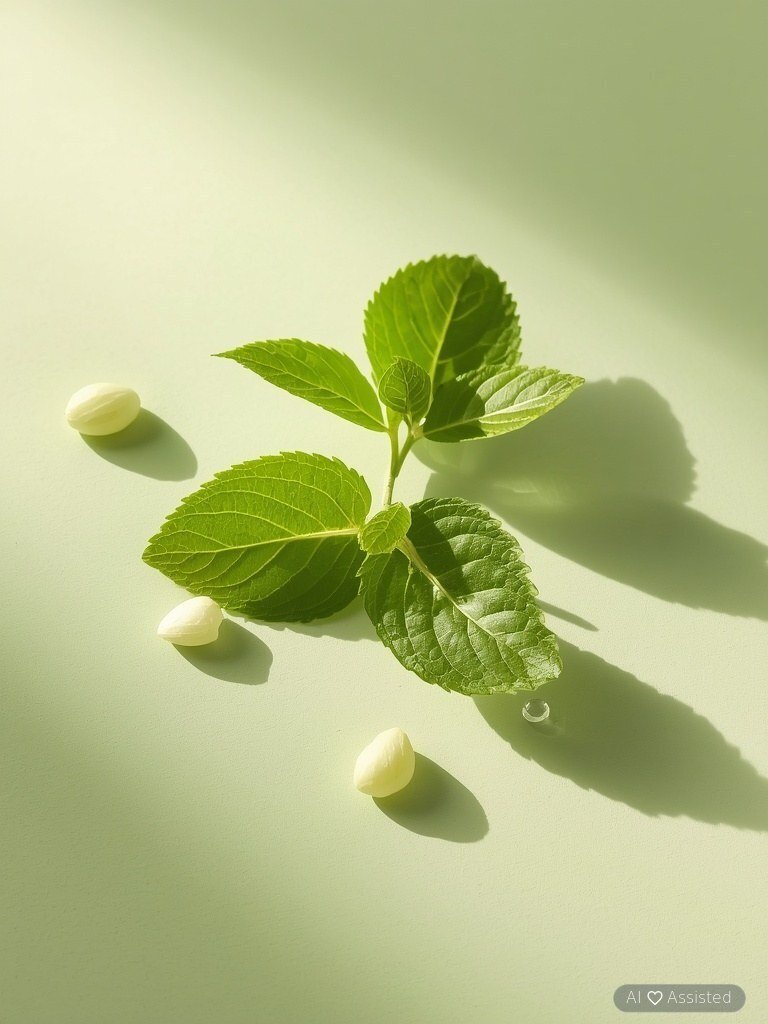
Stevia, scientifically known as *Stevia rebaudiana*, is a member of the aster family (*Asteraceae*) distinguished by its remarkably sweet, naturally occurring flavor profile. In its native environment, it thrives across diverse global regions, including extensive areas of South America—such as Paraguay and Uruguay—as well as select parts of Europe, notably the United Kingdom. The plant’s extraordinary sweetness derives from specialized chemical compounds called **steviol glycosides**, which are predominantly concentrated in its leaves and stems. These glycosides exhibit a sweetening potency **300–400 times greater** than that of conventional sucrose, positioning stevia as one of the most effective natural alternatives to refined sugar. Beyond its gustatory appeal, this botanical species is also celebrated for its rich content of **bioactive constituents**, whose consistent consumption may contribute to enhanced health outcomes, including improved glucose metabolism and metabolic function.

Stevia: Nutritional Profile and Health Benefits for the Human Body

Stevia, often overlooked on supermarket shelves, has gained recognition as a viable substitute for conventional white or brown sugar due to its ability to impart sweetness without contributing any calories to the diet. Beverages such as tea or coffee, as well as various baked goods sweetened with this natural alternative, retain their pleasantly sweet flavor without becoming calorie-dense. Notably, the consumption of stevia-sweetened products does not lead to an increase in blood glucose levels; in fact, steviol glycosides undergo metabolic processing independently of insulin, which may even result in a slight reduction in blood sugar. This makes stevia an ideal sugar replacement for individuals adhering to low-calorie, weight-loss, or diabetic diets centered around complex carbohydrates. Furthermore, as a naturally derived sweetener, stevia is safe for individuals with phenylketonuria, as it does not contain artificial sweeteners such as aspartame or aspartame-acesulfame potassium salt, commonly found in synthetic sugar substitutes. Research also indicates that incorporating stevia into one’s daily diet may benefit individuals with hypertension, as the glycosides present in stevia have been shown to lower both systolic and diastolic blood pressure. An additional advantage, appreciated by both parents and dental professionals, is that stevia—being sugar-free—does not serve as a substrate for cariogenic bacteria, thereby supporting oral health and cavity prevention.

Stevia: A Comprehensive Nutritional Profile and Health Benefit Analysis

Stevia leaves, whether consumed fresh or in their dried form—ground into a fine powder or compressed into small, sweetener-sized tablets—represent a widely utilized dietary component. Given its negligible caloric content, this plant-based product contains no carbohydrates, proteins, or fats. Nevertheless, its biochemical composition is distinguished by a spectrum of bioactive compounds, including phenolic antioxidants with well-documented free-radical-scavenging properties, ascorbic acid (vitamin C), pteroylmonoglutamic acid (folate), and essential minerals such as calcium for skeletal mineralization, potassium for blood pressure regulation, iron for hemoglobin synthesis, and magnesium, which plays a pivotal role in neurological and muscular function.

Practical applications of stevia in nutrition and health management: a comprehensive guide

Stevia serves as a botanical-based substitute for conventional sweeteners such as beet or cane sugar, allowing for a reduction in the caloric content of dishes while preserving an intense sweet flavor profile. Its versatility extends to sweetening both hot beverages—including coffee and tea—and cold preparations such as fruit smoothies, homemade lemonades, and other refreshing drinks. Furthermore, owing to its high thermal stability, stevia is exceptionally well-suited for use in baked goods (e.g., cakes, cookies) and fruit preserves like jams, jellies, and marmalades, where traditional sugar might otherwise caramelize under heat. As a plant-derived sweetening agent, stevia not only enhances the palatability of desserts and beverages without contributing excess calories but may also play a supportive role in managing metabolic disorders, including type 2 diabetes, insulin resistance, obesity, and hypertension. However, it is crucial to recognize that even natural compounds, when consumed in excessive quantities, can exert adverse effects on health. Emerging research indicates that steviol glycosides—the active components of stevia—may induce alterations in gut microbiota composition, potentially fostering obesity over time. The established acceptable daily intake for stevia ranges from 0 to 4 milligrams per kilogram of body weight. When purchasing stevia-sweetened products, consumers should exercise diligence in examining ingredient labels, as some manufacturers blend stevia with additional sugar sources—such as high-fructose corn syrup, glucose-fructose syrup, maltodextrin, or even vegetable fats. It is not uncommon for stevia-based tabletop sweeteners to be sold on a sugar carrier, which may undermine its health benefits. Therefore, cultivating the habit of meticulously reading food labels during grocery shopping is essential to maintaining full awareness of the nutritional composition of consumed products.
Mia Hoffmann

Mia Hoffmann

✓

Diets Premium Expert

Diets Premium team expert. Specializes in nutrition plans, strength sports, and training plans.

View Profile →
Recommended articles in this category

Related Articles

Discover similar publications and expert insights.

Apple – Nutritional Value, Calories
Nutrition
Apple – Nutritional Value, Calories
⏱ 3 min czytania 📚 Nutrition
#Nutritional Values #Soluble Fiber
Molasses – a viscous, sweet byproduct of sugar refining: characteristics, merits, and industrial as well as culinary applications
Food & Ingredients
Molasses – a viscous, sweet byproduct of sugar refining: characteristics, merits, and industrial as well as culinary applications
⏱ 4 min czytania 📚 Food & Ingredients
#Alcoholic Beverages #Bioactive Compounds
Beans – Properties, Nutritional Value, Recipes… How to Cook Beans?
Nutritional Value
Beans – Properties, Nutritional Value, Recipes… How to Cook Beans?
⏱ 6 min czytania
#Nutritional Value #Beans
Eggplant – Nutritional Value, Recipes. How to Prepare Eggplant?
Nutritional Value
Eggplant – Nutritional Value, Recipes. How to Prepare Eggplant?
⏱ 5 min czytania
#Nutritional Value #Baking
White Chocolate Product – Composition, Nutritional Value and Impact on Diet
Nutritional Value
White Chocolate Product – Composition, Nutritional Value and Impact on Diet
⏱ 3 min czytania
#Nutritional Value #Nutrition
Game Meat – Nutritional Values, Uses, and Consumption Limitations
Nutrition
Game Meat – Nutritional Values, Uses, and Consumption Limitations
⏱ 4 min czytania 📚 Nutrition
#Nutritional Values #Health Benefits
Red onions – nutritional value, recipes... can you sauté red onions?
Nutritional Values
Red onions – nutritional value, recipes... can you sauté red onions?
⏱ 4 min czytania
#Nutritional Values #Nutritional Value
Plant Sprouts – Types, Uses, Nutritional Benefits, and Health Gains from Consumption
Nutritional Benefits
Plant Sprouts – Types, Uses, Nutritional Benefits, and Health Gains from Consumption
⏱ 3 min czytania
#Nutritional Benefits #Nutritional Values
Sunflower Sprouts – Cultivation and Nutritional Values
Nutritional Values
Sunflower Sprouts – Cultivation and Nutritional Values
⏱ 3 min czytania
#Nutritional Values #Nutrition Facts
Edible Horse Chestnuts – Characteristics, Nutritional Values and Recipes
Nutritional Values
Edible Horse Chestnuts – Characteristics, Nutritional Values and Recipes
⏱ 4 min czytania
#Nutritional Values #Nutrition Facts
Coconut Chips and Flakes – Health Properties, Nutrition, and Calories
Nutritional Values
Coconut Chips and Flakes – Health Properties, Nutrition, and Calories
⏱ 3 min czytania
#Nutritional Values #Sweet Treats
White sugar compared to brown sugar... Evaluating their nutrient profiles and health impacts
Nutritional Values
White sugar compared to brown sugar... Evaluating their nutrient profiles and health impacts
⏱ 2 min czytania
#Nutritional Values #Nutrition Facts
Millet Porridge – Nutritional Values, Drawbacks, Uses, and Recipes
Balanced Diet On The Go
Millet Porridge – Nutritional Values, Drawbacks, Uses, and Recipes
⏱ 4 min czytania
#Balanced Diet On The Go #Nutritional Values
What Dishes Can Be Prepared with Melon? Which Varieties Exist and What Are Their Nutritional Values?
Nutritional Values
What Dishes Can Be Prepared with Melon? Which Varieties Exist and What Are Their Nutritional Values?
⏱ 4 min czytania
#Nutritional Values #Nutrition Facts
Star Fruit – Effects, Nutritional Value, and Uses
Nutritional Value Of Fruits
Star Fruit – Effects, Nutritional Value, and Uses
⏱ 3 min czytania
#Nutritional Value Of Fruits #Nutritional Value Of Food
Melons: an exploration of cultivars, distinctive traits, nutrient profile, and culinary applications
Food & Ingredients
Melons: an exploration of cultivars, distinctive traits, nutrient profile, and culinary applications
⏱ 4 min czytania 📚 Food & Ingredients
#Nutritional Values #Nutrition Facts
Therapeutic Properties of the Common Onion: Phytochemical Profile, Nutritional Value, and Health Benefits
Food & Ingredients
Therapeutic Properties of the Common Onion: Phytochemical Profile, Nutritional Value, and Health Benefits
⏱ 4 min czytania 📚 Food & Ingredients
#Vegetable Nutrients #Onion Nutrition
Fermented sour pickles: Nutritional benefits, vitamin profile, and the secrets to an authentic homemade recipe
Lactic Acid Fermentation
Fermented sour pickles: Nutritional benefits, vitamin profile, and the secrets to an authentic homemade recipe
⏱ 3 min czytania
#Lactic Acid Fermentation #Nutritional Benefits
Tomato: Nutritional profile, role in pregnancy, gout management, and healthy recipes
Pregnancy & Motherhood
Tomato: Nutritional profile, role in pregnancy, gout management, and healthy recipes
⏱ 6 min czytania 📚 Pregnancy & Motherhood
#Vegetable Cultivation #Nutritional Values
Sage - Types, effects, side effects... What is sage useful for?
Anti-Inflammatory
Sage - Types, effects, side effects... What is sage useful for?
⏱ 3 min czytania
#Anti-inflammatory #Carbohydrates
Green, Red, and White Grapefruit – Contraindications. Is It True They Should Be Eaten in the Morning or Evening?
Antioxidants
Green, Red, and White Grapefruit – Contraindications. Is It True They Should Be Eaten in the Morning or Evening?
⏱ 16 min czytania
#Antioxidants #Calories
High-Energy and Nutrient-Dense Fruits: Carbohydrate Kinetics, Caloric Yield, and Athletic Application
Nutritional Value
High-Energy and Nutrient-Dense Fruits: Carbohydrate Kinetics, Caloric Yield, and Athletic Application
⏱ 6 min czytania
#Nutritional Value #Natural Sugars
Authenticating Honey: How to Identify Genuine Honey and Avoid Purchase Scams
Essential Nutrients
Authenticating Honey: How to Identify Genuine Honey and Avoid Purchase Scams
⏱ 5 min czytania
#Essential Nutrients #Natural Sweeteners
Do you truly visit a dietitian – description, costs, and benefits
Dietetics
Do you truly visit a dietitian – description, costs, and benefits
⏱ 5 min czytania
#Dietetics
Is it worth seeking the advice of a dietitian when you have a child?
Dietetics
Is it worth seeking the advice of a dietitian when you have a child?
⏱ 4 min czytania
#Dietetics
Is the dietitian visit conducted as expected?
Dietetics
Is the dietitian visit conducted as expected?
⏱ 4 min czytania
#Dietetics
Alder Buckthorn Bark (Frangula alnus): Pharmacology, Anthranoids, and Clinical Evaluation in Weight Loss
Weight Management
Alder Buckthorn Bark (Frangula alnus): Pharmacology, Anthranoids, and Clinical Evaluation in Weight Loss
⏱ 4 min czytania
#Weight Management #Dietetics
How to Choose a Qualified Dietitian: Credentials, Clinical Ethics, and Red Flags
Nutritional Requirements
How to Choose a Qualified Dietitian: Credentials, Clinical Ethics, and Red Flags
⏱ 4 min czytania
#Nutritional Requirements #Dietetics
Mare’s milk: Nutritional properties, biochemical composition, and practical applications in dietetics and complementary medicine
Nutritional Science
Mare’s milk: Nutritional properties, biochemical composition, and practical applications in dietetics and complementary medicine
⏱ 7 min czytania 📚 Nutritional Science
#Antimicrobial Properties #Nutritional Properties
Five dangerous fad diets and weight-loss regimens you should avoid
Food & Ingredients
Five dangerous fad diets and weight-loss regimens you should avoid
⏱ 5 min czytania 📚 Food & Ingredients
#Dietetics

Share