Key Takeaways
Melon, a fruit from the family of gourds, possesses not only a uniquely delicious taste, comparable to a mixture of cucumber and honey, but also numerous valuable nutritional values. There are many varieties of melon that differ in the color of the skin and flesh, taste, and shape.
Netted galia-type melon featuring a juicy, creamy pale-green pulp with a maximum rind thickness of 10 millimeters
This particular melon cultivar stands out due to its distinctive external appearance, as its outer rind is enveloped in a fine, reticulated netting pattern that forms a recognizable texture. Inside, it conceals an exceptionally fragrant, creamy off-white pulp with subtle greenish undertones, characterized by pronounced sweetness and succulence. Owing to these attributes, it serves as an excellent component in fruit compositions, desserts, or as a refreshing standalone snack. Furthermore, owing to its substantial potassium content—a key electrolyte—regular consumption of this fruit may contribute to maintaining optimal arterial blood pressure levels, thereby representing a valuable element in cardiovascular health maintenance.
Honeydew melon variety featuring a yellow-green rind and juicy, pale green flesh
This fruit is distinguished by its tender yellow-green rind and crisp, pale green flesh with a subtly sweet flavor profile. It provides substantial amounts of potassium—a mineral essential for maintaining healthy blood pressure levels—as well as folic acid and a spectrum of B-vitamins, which play a pivotal role in metabolic processes and the optimal functioning of the nervous system. Owing to its low caloric density, it serves as a nutritious addition to the diets of individuals monitoring their weight or adhering to calorie-restricted meal plans. When compared to cantaloupe, it exhibits a marginally lower calorie count but concurrently contains reduced concentrations of vitamins A and C, which are found in greater abundance in the latter variety.
The color diversity of melons: from snow-white to vibrant green and golden-yellow
Depending on the specific cultivar, melons may exhibit a broad spectrum of hues—ranging from pristine white and soft orange tones to sunlit yellow and delicate green shades. Each variety possesses a distinct flavor and aromatic profile, though the majority are characterized by pronounced sweetness and exceptional juiciness. Beyond their culinary appeal, the nutritional and health-promoting attributes of these fruits are equally noteworthy. Despite their substantial natural sugar content, melons remain relatively low in calories. They serve as a valuable source of beta-carotene—a precursor to vitamin A—as well as folic acid, pectin (which supports digestive regulation), and an array of B vitamins, vitamin C, and essential minerals, including potassium (which aids electrolyte balance), iron (critical for hematopoiesis), and magnesium (which governs muscle and nervous system function).
Cantaloupe melon: A nutrient-dense, antioxidant-rich fruit with African origins and extensive health-promoting properties
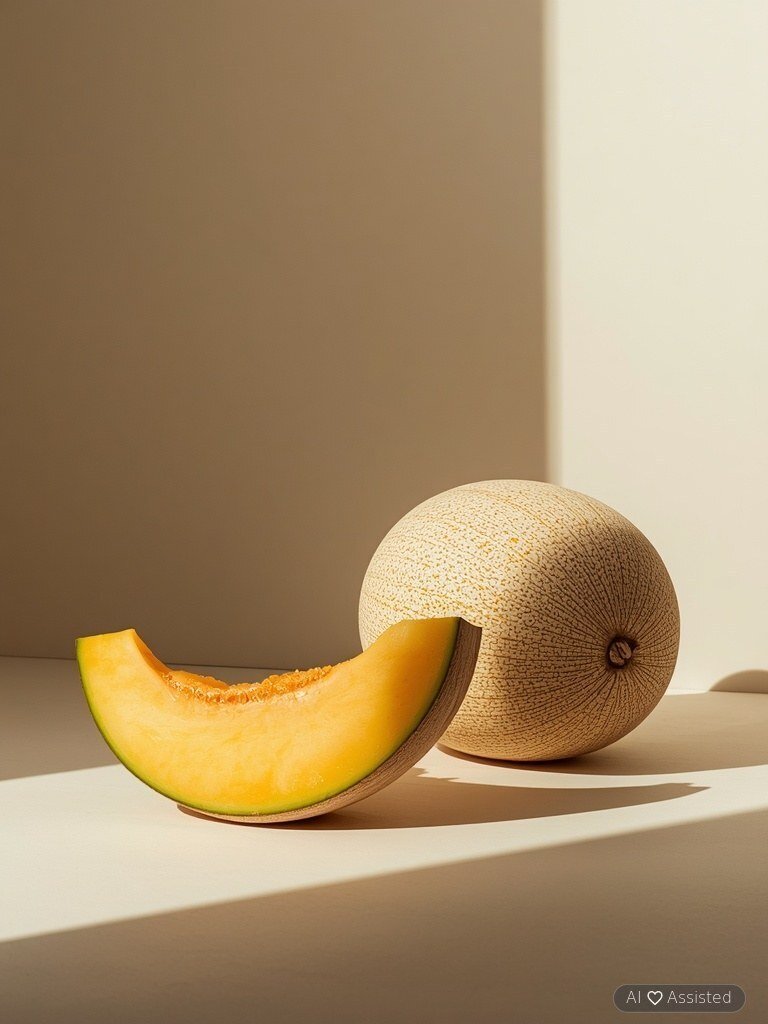
Cantaloupe melon, classified as a variant of closely related melon species indigenous to select regions of Africa, has been a dietary staple for centuries among the populations of the Mediterranean basin and the Middle East. This fragrant fruit is distinguished not only by its unique flavor profile but also by an impressive nutritional composition, encompassing a broad spectrum of antioxidants, micronutrients, and electrolytes with well-documented health benefits. The fruit’s deep, vibrant orange hue is indicative of its high provitamin A content—specifically beta-carotene—which plays a pivotal role in maintaining optimal vision and skin integrity. Of particular scientific interest are two bioactive compounds: carotenoids (including lutein and zeaxanthin) and cucurbitacin, both potent antioxidants whose mechanisms of action include the neutralization of reactive oxygen species, inhibition of cancer cell proliferation (notably in prostate, lung, and colorectal cancers), protection of the cardiovascular system against atherosclerosis, and deceleration of neurodegenerative diseases such as Alzheimer’s and Parkinson’s. Regular consumption of cantaloupe has been shown to mitigate oxidative stress, thereby contributing to the deceleration of cellular aging processes.
Beyond these attributes, cantaloupe serves as a rich source of vitamin C—a critical coenzyme for immune function—as well as vitamin K (essential for blood coagulation and bone metabolism) and a comprehensive array of B vitamins (thiamine, riboflavin, niacin, and folic acid), which are integral to energy metabolism and neurotransmitter synthesis. Additionally, the fruit provides significant quantities of potassium (a key electrolyte for blood pressure regulation), magnesium (supporting muscular and neurological functions), and dietary fiber, which promotes intestinal motility. Notably, the often-discarded seeds of the cantaloupe are not only edible but also abundant in omega-3 fatty acids (alpha-linolenic acid), rendering them a valuable dietary supplement in Central and South America, Asia, and the Middle East, where they are traditionally consumed as snacks or culinary ingredients.
Extensive epidemiological meta-analyses confirm that the consistent inclusion of fruits and vegetables rich in natural vitamin A and vitamin C—such as cantaloupe—in one’s diet represents one of the most effective preventive strategies against cellular mutations that may lead to oncogenesis. In alignment with World Health Organization guidelines, the daily intake of at least five servings of vegetables and two servings of fruit can substantially reduce the risk of developing lung, colorectal, prostate, and oral cavity cancers, while simultaneously enhancing overall population health outcomes.
What do you do with the melon?
Melon is an exceptionally versatile fruit that excels both in refreshing desserts and savory culinary creations, salads, smoothies, and sorbets. Here are three delicious and nutritious recipes featuring ripe melon:
1. Refreshing Melon Sorbet:
Ingredients: 1 ripe melon (e.g., cantaloupe or honeydew), juice of 1 fresh lemon, 1 tablespoon raw honey, 150 ml filtered water.
Preparation: Halve the melon, discard seeds, scoop the flesh, and blend until smooth with lemon juice. Bring water and honey to a gentle simmer in a saucepan for 3 minutes, then cool completely. Combine with the melon purée and freeze for approximately 8 hours, stirring occasionally during the first 3 hours to prevent crystal formation.
2. Revitalizing Melon-Banana Smoothie:
Ingredients: 1 cup chopped melon, 1 ripe banana, juice of 1/2 lemon, ice cubes.
Preparation: Blend all peeled ingredients thoroughly until creamy. Serve immediately for an instant potassium and electrolyte boost.
3. Gourmet Pasta Salad with Melon and Feta:
Ingredients: 1 cup cooked whole-grain pasta, 1/2 diced melon, 80 g crumbled Greek feta cheese. Dressing: 30 g extra virgin olive oil, 15 g lemon juice, 1/2 tablespoon honey, freshly cracked black pepper, pinch of sea salt.
Preparation: Whisk dressing ingredients in a small bowl. In a salad bowl, toss cooked cooled pasta and diced melon with the dressing. Gently fold in crumbled feta and serve.
Additionally, distinctive varieties such as bitter melon offer specialized therapeutic support for blood sugar regulation. Regular melon consumption hydrates the body, supports renal excretion, and promotes nervous system vitality; however, due to its moderately high glycemic index, individuals managing diabetes should consume it in controlled portions paired with protein or healthy fats.