Revised World Health Organization Benchmarks for Free Sugar Intake: An Examination of the Updated Dietary Guidelines Issued in 2014

| Diets Premium Expert Julia Wójcik | min read 2 min | Scientifically reviewed by a clinical dietitian 23.10.2026 |

Smart Voice
•Listen to the article content live
In March 2014, the World Health Organization (WHO) released updated nutritional guidelines that explicitly define the permissible percentage of daily caloric intake derived from added sugars, as well as those naturally present in honey, syrups, and fruit juices (collectively known as free sugars). The primary objective of these stringent recommendations is to significantly curb global sugar consumption as a crucial means of combating the escalating obesity epidemic, type 2 diabetes, and dental caries. The WHO emphasized the necessity of halving the previously recommended daily intake from 10% to 5% of total energy intake.
However, critics argue that these imposed limits may prove impractical for the majority of populations to adhere to, particularly given contemporary dietary habits, the pervasive availability of ultra-processed foods often laden with hidden sugars, and the complexities of nutritional labeling. This article examines the scientific rationale behind the WHO's recommendations, the challenges associated with their implementation, and offers practical strategies for adopting a lower-sugar diet in everyday life.
Want to apply these guidelines in your daily diet?
Our smart diet generator creates a tailored meal plan in 3 minutes based on the recommendations in this article.
Understanding the New WHO Recommendations on Sugar Intake
According to the latest World Health Organization (WHO) guidelines, only 5% of daily calorie intake should come from free sugars. This translates to approximately 26 grams of sugar per day for an average 2,000-calorie diet. This recommendation represents a halving of the previously accepted upper limit of 10%. The decision to drastically reduce the recommended daily intake is based on an extensive review of scientific evidence, which strongly links the consumption of free sugars to increased rates of overweight, obesity, and dental caries.
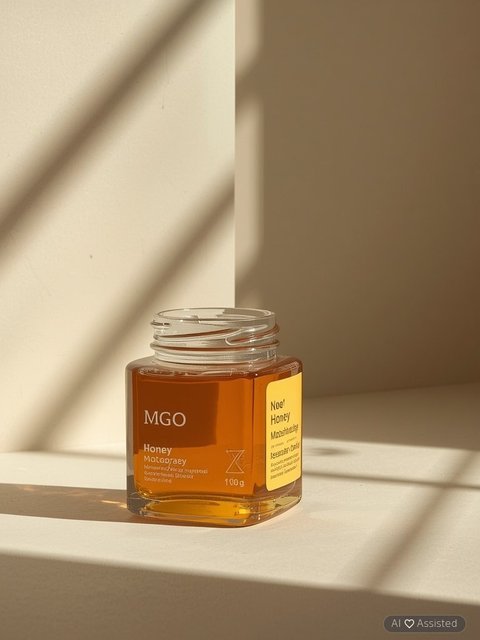
Free sugars include not only sugars added to foods and beverages by manufacturers, cooks, or consumers, but also sugars naturally present in honey, syrups, and fruit juices and fruit concentrates. It is crucial to note that this recommendation does not apply to sugars found naturally in whole fruits and vegetables, as these foods also provide essential fiber, vitamins, and minerals. The WHO views the reduction of sugar consumption as one of the most effective public health interventions to improve global health outcomes and prevent non-communicable diseases.
Hidden Sugars in Processed Foods and Labeling Loopholes
The challenge of reducing sugar intake extends beyond obvious sweets to the hidden sugars prevalent in highly processed foods. Many products not perceived as sweet contain significant amounts of added sugar. Examples include:
- One tablespoon of ketchup: approximately 4 g of sugar
- A serving of frozen pizza: up to 26 g of sugar
- A glass of soda (e.g., Pepsi): approximately 27.5 g of sugar
- 100 g of chocolate breakfast cereals: approximately 33.8 g of sugar
The problem is compounded by current legislation, which does not always mandate clear and comprehensive labeling of sugar content. While total sugar content is mandatory in the EU, it often doesn't differentiate between naturally occurring and added sugars. An exception applies when manufacturers make specific nutrition or health claims for a product, for instance, in advertising. In such cases, more detailed nutritional information is required.
Until the legal framework for food labeling undergoes comprehensive changes, it remains challenging for consumers to identify and control the actual sugar content in processed products. Furthermore, manufacturers often use various names for sugar (e.g., glucose-fructose syrup, maltodextrin, dextrose), which further complicates identification for the average consumer.
Practical Strategies for Reducing Sugar Intake
Given the challenges posed by hidden sugars and complex labels, taking proactive steps to reduce sugar intake is crucial. Here are some practical strategies that can help you adhere to WHO recommendations and improve your health:
- Prioritize Fresh, Unprocessed Foods: Focus on whole fruits, vegetables, whole grains, lean proteins, and healthy fats. These are naturally lower in free sugars and rich in essential nutrients.
- Read Labels Carefully: Pay close attention to the ingredient list and nutrition facts panel. Look for terms like “sugar,” “glucose syrup,” “fructose syrup,” “maltodextrin,” “dextrose,” or “sucrose,” all of which indicate added sugars. The higher up sugar appears on the ingredient list, the greater its proportion.
- Reduce Sugary Beverages: Sodas, sweetened teas, energy drinks, and many fruit juices are major sources of free sugar. Opt for water, unsweetened tea, or coffee instead.
- Cook More at Home: Preparing your own meals gives you full control over the ingredients used, allowing you to specifically manage sugar content.
- Gradually Acclimatize: Gradually reduce the amount of sugar you add to coffee, tea, or use in baking. Your taste buds will adapt to less sweetness over time.
- Be Aware That Sugar Isn't Just in Sweets: It can also be found in deli meats, cheeses, bread, ready-made sauces, and dressings. Mindful food choices and common sense are key here.
By implementing these strategies, you can not only effectively reduce your sugar intake but also positively impact your overall well-being and long-term health. It's about making informed choices and maintaining a balanced lifestyle.
Tags

Julia Wójcik
✓Diets Premium Expert
Diets Premium team expert. Specializes in nutrition plans, strength sports, and training plans.
View Profile →