Evidence-based antibacterial properties of Manuka honey in the prevention of Helicobacter pylori infections: mechanisms of action and clinical evidence

Emilia Szymańska
✓
Diets Premium Expert • 23.10.2026
✓
Scientifically reviewed by a clinical dietitian:
This article has been peer-reviewed for adherence to IŻŻ, WHO, and PTGiP clinical nutritional standards.
| Diets Premium Expert Emilia Szymańska | min read 1 min | Scientifically reviewed by a clinical dietitian 23.10.2026 |

Smart Voice
•Listen to the article content live
0:00
/
0:00
Key Takeaways
This article provides a comprehensive analysis of the scientific rationale for using Manuka honey (*Leptospermum scoparium*) as an adjunctive measure to prevent colonization and infection by *Helicobacter pylori*, incorporating the latest *in vitro*, *in vivo*, and clinical observational studies. It also explores potential synergies with conventional eradication therapies and factors influencing the product’s efficacy, including methylglyoxal (MGO) concentration, geographical origin, and processing techniques.
Meal Plan
Want to apply these guidelines in your daily diet?
Our smart diet generator creates a tailored meal plan in 3 minutes based on the recommendations in this article.
Biology of Helicobacter pylori and pathophysiology of gastric disorders
Helicobacter pylori is a microaerophilic, gram-negative bacterium that colonizes the gastric mucosa of a substantial portion of the global population. By synthesizing the enzyme urease, which hydrolyzes urea into carbon dioxide and ammonia, the bacterium neutralizes ambient gastric acid, establishing an ecological niche in the mucus layer. Chronic colonization causes chronic superficial gastritis, peptic ulcer disease, and significantly elevates the long-term risk of gastric adenocarcinoma and gastric MALT lymphoma. Standard triple and quadruple eradication regimens face escalating failure rates due to widespread antibiotic resistance against clarithromycin and metronidazole, prompting rigorous scientific investigation into adjunctive bio-compounds such as Manuka honey.
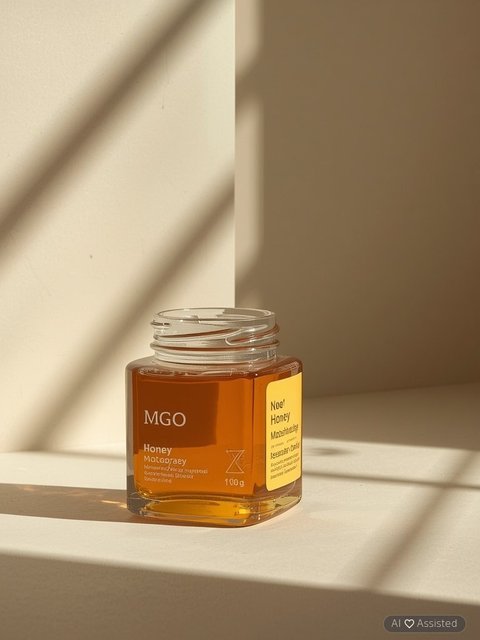
Methylglyoxal (MGO) and the Unique Manuka Factor (UMF) grading system
Manuka honey, harvested from the nectar of Leptospermum scoparium native to New Zealand and southeastern Australia, exhibits unique non-peroxide antibacterial activity (NPA). While typical honeys rely on hydrogen peroxide generated by glucose oxidase—an enzyme easily degraded by heat, light, and catalase—Manuka's potency stems from extraordinary concentrations of methylglyoxal (MGO). MGO is naturally synthesized during honey maturation through the dehydration of dihydroxyacetone (DHA) present in the flower nectar. The standardized Unique Manuka Factor (UMF) rating system verifies MGO concentration along with leptosperin and DHA, ensuring authentic therapeutic efficacy.
In vitro and in vivo scientific evidence against Helicobacter pylori colonization
Controlled in vitro microbiological assays demonstrate that Manuka honey at concentrations ranging from 5% to 20% (v/v) effectively inhibits the growth of diverse Helicobacter pylori clinical strains. The minimum inhibitory concentration (MIC) correlates directly with the verified MGO concentration. Ultrastructural electron microscopy reveals that MGO disrupts bacterial cell envelope integrity, alters membrane permeability, and impairs flagellar motility, preventing bacterial adhesion to human gastric epithelial cells. In vivo rodent models further demonstrate a marked decrease in bacterial colonization density and accelerated macroscopic healing of gastric mucosal ulcerations.
Synergy with conventional eradication therapy and mucosal gastroprotection
Beyond direct bactericidal properties, Manuka honey provides substantial cytoprotective and anti-inflammatory benefits to the gastric mucosa. Its rich array of flavonoids and phenolic acids scavenges reactive oxygen species (ROS) produced by inflammatory neutrophils, suppressing downstream pro-inflammatory cytokines including interleukin-8 (IL-8) and tumor necrosis factor-alpha (TNF-alpha). When co-administered alongside standard triple therapy, Manuka honey disrupts bacterial biofilm formation, synergizes with antibiotic mechanisms, and coats the gastric lining, thereby mitigating antibiotic-associated gastrointestinal distress and promoting mucosal re-epithelialization.
Clinical usage guidelines, therapeutic grading, dosage, and safety considerations
For targeted gastrointestinal support, clinicians recommend utilizing authentic Manuka honey standardized to at least UMF 10+ (minimum MGO 263+) or preferably UMF 15+ (MGO 514+). The standard clinical regimen involves taking one teaspoon (approximately 5 to 10 grams) undiluted three times daily, 30 minutes prior to meals and before sleep, allowing prolonged contact with the gastric lining. Diabetic individuals must account for simple carbohydrate content in their daily dietary plan. Honey is strictly contraindicated in infants under 12 months of age due to the risk of infant botulism (Clostridium botulinum). In cases of acute epigastric pain or persistent ulcers, Manuka honey should be regarded as a complementary support rather than a substitute for specialized gastroenterological care.
Tags

mgr Emilia Szymańska
✓Diets Premium Expert
Diets Premium team expert. Specializes in nutrition plans, strength sports, and training plans.
View Profile →