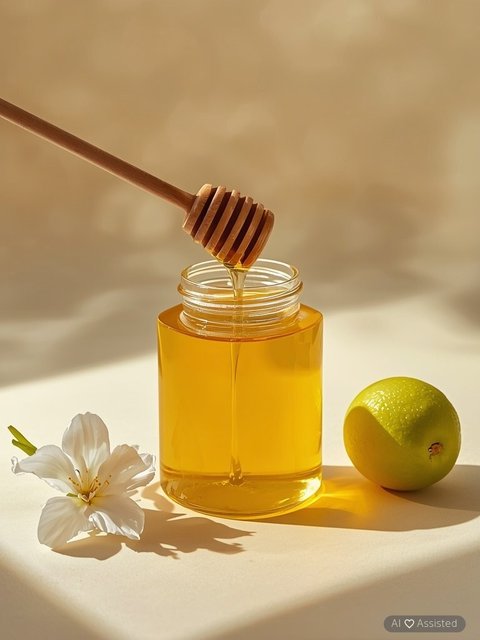
Honeycomb – distinctive attributes, harvesting techniques, recommended dosages, and practical health-promoting applications

| Diets Premium Expert Julia Wójcik | min read 4 min | Scientifically reviewed by a clinical dietitian 23.10.2026 |
Smart Voice
•Listen to the article content live
Bee bread (perga) represents floral pollen naturally preserved inside the hive through anaerobic lactic acid fermentation driven by honeybee glandular enzymes. It is widely recognized as the pinnacle of apitherapeutic products, substantially surpassing raw pollen in terms of protein bioavailability, essential vitamins, and trace minerals. This article outlines its biochemical profile, traditional harvesting, and evidence-based health applications.
Want to apply these guidelines in your daily diet?
Our smart diet generator creates a tailored meal plan in 3 minutes based on the recommendations in this article.
Nature and Genesis of Bee Bread – Lactic Fermentation in the Hive
Bee bread is created from floral pollen collected by foraging honeybees, packed tightly into brood comb cells, and sealed with a thin film of raw honey and glandular salivary secretions. In this anaerobic microenvironment, spontaneous lactic acid fermentation occurs mediated by symbiotic Lactobacillus strains. The accumulated lactic acid dissolves the resilient cellulosic exine shells of pollen grains, releasing bioavailable nutrients while preserving the substrate against fungal spoilage.
Nutritional Value and Apitherapeutic Properties of Bee Bread
Relative to unprocessed floral pollen, bee bread demonstrates substantially greater bioavailability of free amino acids, low-molecular-weight peptides, and vitamins (predominantly K, E, D, and B-complex). It is packed with bioflavonoids (rutin, quercetin), lactic acid, and bioavailable minerals (iron, zinc, magnesium, selenium). Clinical observations substantiate its potent adaptogenic, hepatoprotective, and hematopoietic properties, rendering it an exceptional adjuvant during convalescence and chronic fatigue.
Harvesting Bee Bread from Honeycomb and Storage Techniques
Harvesting bee bread is a labor-intensive apiary procedure. Following honey extraction, combs containing bee bread are carefully dried and flash-frozen, rendering the beeswax brittle. The frozen comb is then mechanically crushed and sifted through specialized vibrating screens and pneumatic aspirators to cleanly isolate the hexagonal granules. To safeguard thermosensitive enzymes and active vitamins, bee bread must be stored in airtight dark glass containers below 18°C, strictly shielded from ambient moisture.
Recommended Dosages, Optimal Ingestion Protocols, and Contraindications
The standard adult preventative dosage of bee bread ranges from 10 to 15 grams (roughly one rounded teaspoon) daily, expandable to 20–30 grams during intense convalescence. Maximum bioactive assimilation occurs when granules are dissolved overnight in a small glass of lukewarm water with a touch of raw honey and consumed on an empty stomach in the morning. Severe allergy to bee products or venom constitutes an absolute contraindication. Individuals with autoimmune conditions should consult their healthcare provider.
The ring is used

Julia Wójcik
✓Diets Premium Expert
Diets Premium team expert. Specializes in nutrition plans, strength sports, and training plans.
View Profile →