Margarine Under Scrutiny: Ingredient Breakdown, Quality Assessment, and Health Comparison Against Traditional Butter – Which Option Supports Optimal Nutrition?

Tim Klein
✓
Diets Premium Expert • 24.09.2026
✓
Scientifically reviewed by a clinical dietitian:
This article has been peer-reviewed for adherence to IŻŻ, WHO, and PTGiP clinical nutritional standards.
| Diets Premium Expert Tim Klein | min read 5 min | Scientifically reviewed by a clinical dietitian 24.09.2026 |
Smart Voice
•Listen to the article content live
0:00
/
0:00
Key Takeaways
Modern diets frequently incorporate grain-based foods, with bread often consumed multiple times daily. Consequently, the market for spreadable products has expanded significantly, with margarine emerging as a popular choice. But is this selection truly justified from a nutritional and health perspective? A thorough examination of its composition, manufacturing processes, and the balance of potential benefits versus risks is essential to making an informed decision between margarine and conventional butter.
Meal Plan
Want to apply these guidelines in your daily diet?
Our smart diet generator creates a tailored meal plan in 3 minutes based on the recommendations in this article.
Fresh or chilled vegetables
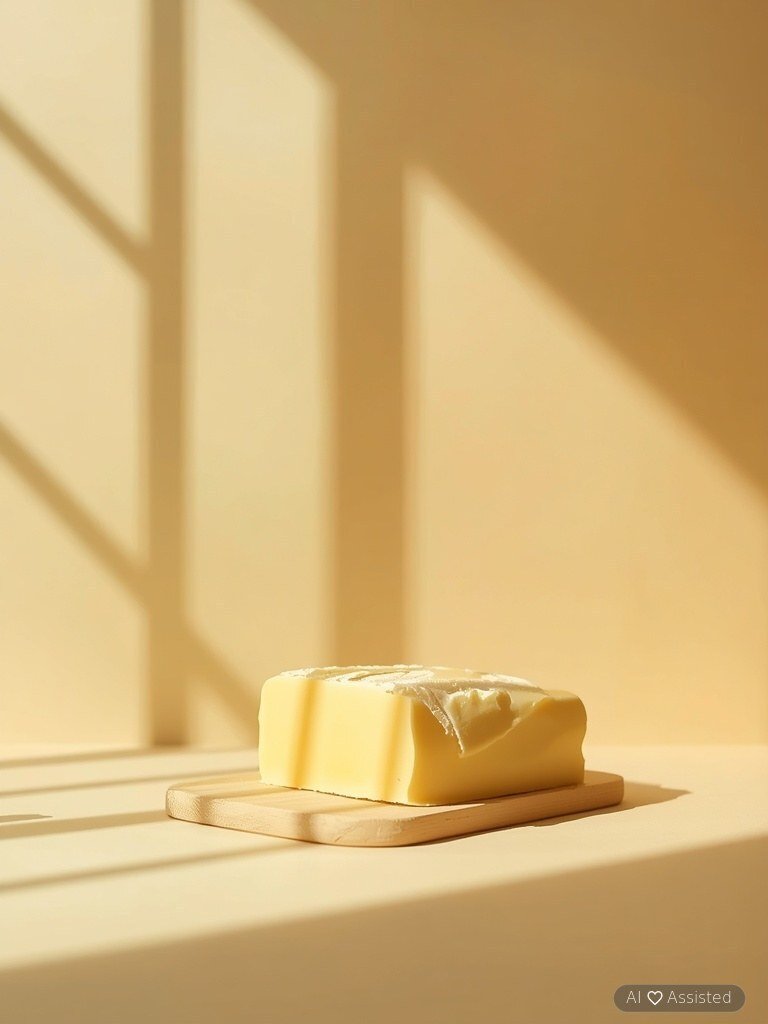
Margarines are a large and diverse group of fatty products. Hard and soft margarines used for baking oils can be distinguished. For making hard margarines, oils are used: soybeans, grapefruit and palm oil, as well as fish fats. In the production of margarine used for ointment, sunflower oil, soybean oil and grease oil are most commonly used.[1] Currently, many technological processes are used to process fat. They are referred to as fatty acids. The characteristics of trans fats are the release, fractionation and translucency of fish oils.
Margarine is the composition
Baking products, including margarine, often contain additives. These include: dyes, preservatives, antioxidants, emulsifiers, thickening agents, acidity regulators. Baking fats, as well as margarines, should be enriched with vitamins A and D3. Other vitamins may also be added. According to the regulations, the content of vitamin A in 100 g of the final product may not exceed 900 μg (3000 μm).
Which margarine is healthiest?
The range of margarines available in our market is large. In order to satisfy consumers, manufacturers are generally introducing fewer and fewer oils and fats into stores. They also happen to change the composition of existing products. Therefore, it is important to frequently evaluate the quality of margarine.[1] Because individual products differ from each other in composition and nutritional value. With advances in technology, we are improving the product quality in the form of soft margarines. Generally, they contain fewer and less added fats. Through the technology itself it is also possible to reduce the content of isomers and its saturated fatty acids, which are responsible for the fat content of all margarine products to its fat content.
Butter and margarine
Both butter and margarine maintain dedicated proponents among nutrition scientists and consumers alike. Modern epidemiological evidence underscores that overall dietary quality and moderation are the decisive factors. Contemporary soft tub margarines formulated without harmful industrial trans fats (TFAs) offer a clinically sound option for individuals seeking to manage LDL cholesterol. Conversely, traditional farm butter supplies natural butyric acid along with bioavailable vitamins A, D, and K2. Furthermore, cold-pressed extra virgin olive oil and mashed avocado serve as superb plant-based alternatives for daily bread spreads.

mgr Tim Klein
✓Diets Premium Expert
Diets Premium team expert. Specializes in nutrition plans, strength sports, and training plans.
View Profile →