2 min read
Diet for edema - recommended and prohibited foods

Emilia Szymańska
✓
Diets Premium Expert • 24.09.2026
✓
Scientifically reviewed by a clinical dietitian:
This article has been peer-reviewed for adherence to IŻŻ, WHO, and PTGiP clinical nutritional standards.
| Diets Premium Expert Emilia Szymańska | min read 2 min | Scientifically reviewed by a clinical dietitian 24.09.2026 |
Smart Voice
•Listen to the article content live
0:00
/
0:00
Key Takeaways
The sensation of swelling, heaviness, and discomfort arises from excessive fluid retention in tissues, leading to edema. This condition stems from disrupted fluid balance in the body, often caused by underlying health issues, poor diet, or an unhealthy lifestyle. Lower extremities are most commonly affected. How can this issue be effectively managed?
Meal Plan
Want to apply these guidelines in your daily diet?
Our smart diet generator creates a tailored meal plan in 3 minutes based on the recommendations in this article.
Diet for edema – key principles
As research and clinical practice show, a properly balanced diet can be exceptionally helpful in eliminating uncomfortable swelling and water retention. A nutritional plan aimed at removing excess fluid from tissues must rely on several essential pillars. Adequate hydration is paramount: consuming at least 2 to 2.5 liters of fluids daily (preferably low-sodium mineral water) signals to the body that there is no water scarcity, preventing protective fluid storage. When the body suffers from dehydration, cells retain water in an effort to maintain vital physiological processes. Herbal infusions, especially nettle tea and horsetail, provide natural diuretic support. The anti-edema diet should also feature fish and natural diuretic foods, including citrus fruits, cranberries, and cucumbers. Foods rich in potassium are vital because potassium counterbalances sodium and regulates cellular osmotic pressure. High-quality lean protein from poultry, fish, low-fat cottage cheese, and legumes supports plasma oncotic pressure, preventing plasma transudation into interstitial spaces. Crucially, dietary salt must be strictly reduced, as excessive sodium is a primary driver of fluid retention. Highly processed ready meals and fast food must be eliminated. Alcohol should also be avoided, as it dilates blood vessels, increases capillary permeability, and promotes fluid leakage into surrounding tissues.
Diet for edema – recommended foods
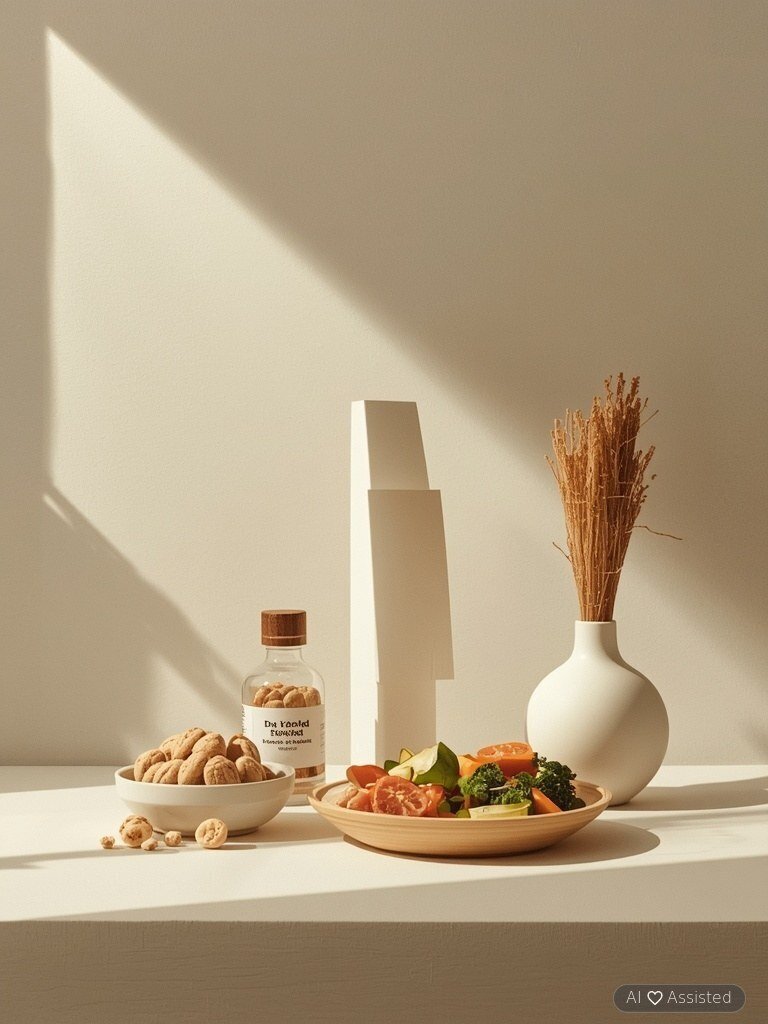
Foods highly recommended for managing and preventing edema include those rich in potassium, natural diuretics, vascular-strengthening bioflavonoids, and easily digestible proteins:
- Potassium-rich foods: tomatoes, tomato juice, bananas, baked potatoes, dried fruits (apricots, prunes), carrots, celery, citrus fruits, and avocados. Potassium helps the kidneys excrete excess sodium and maintain osmotic homeostasis.
- Natural diuretic foods: watermelon, strawberries, sweet cherries, cranberries, fresh cucumbers, parsley root, and bell peppers.
- Rutin and bioflavonoid sources: chokeberry (aronia), elderberry, blackcurrants, buckwheat groats, and citrus bioflavonoids. Rutin seals capillary walls, enhancing vascular integrity and minimizing fluid leakage into interstitial tissue.
- Silicon-rich foods: millet groats, buckwheat, and horsetail, which support collagen synthesis and strengthen connective tissue.
- Herbs and spices: fresh parsley greens, ginger, nettle tea, field horsetail, caraway, and lovage, which stimulate kidney filtration and microcirculation.
- Lean protein sources: skinless chicken and turkey breast, lean veal, fresh fish (cod, salmon, hake), low-fat quark/cottage cheese, and legumes.
- Optimal hydration: low-sodium natural mineral water (under 20 mg Na/L), unsweetened herbal infusions, as well as raw unsalted sunflower and pumpkin seeds.
Diet for edema – prohibited foods
To successfully prevent fluid retention and tissue swelling, specific categories of foods and beverages must be excluded or significantly curtailed:
- Sodium-rich products: processed meats, cured sausages, smoked deli cuts, canned foods, processed cheeses, instant soups, stock cubes, and salty snacks (potato chips, salted peanuts, pretzels).
- Refined carbohydrates and sweets: commercial pastries, confectionery, candy bars, and sugar-sweetened beverages. Rapid spikes in insulin trigger renal sodium and water reabsorption, aggravating swelling.
- Highly spiced processed foods, commercial marinades, products containing monosodium glutamate (MSG), and pickled foods high in brine.
- Alcohol: alcoholic beverages cause systemic dehydration, impair venous tone, and trigger rebound edema the following day.
Many individuals, particularly women experiencing premenstrual syndrome (PMS) or hormonal fluctuations, regularly face unpleasant water retention. Similar discomfort arises during sedentary travel or venous insufficiency. Aside from medical guidance, adhering to these clear nutritional rules—slashing sodium, avoiding processed foods, and staying properly hydrated—effectively relieves heaviness and restores comfort.

mgr Emilia Szymańska
✓Diets Premium Expert
Diets Premium team expert. Specializes in nutrition plans, strength sports, and training plans.
View Profile →