Fresh parsley greens – nutritional profile, preservation methods, and evidence-based culinary and medicinal applications

| Diets Premium Expert David Janitzek | min read 3 min | Scientifically reviewed by a clinical dietitian 23.10.2026 |
Smart Voice
•Listen to the article content live
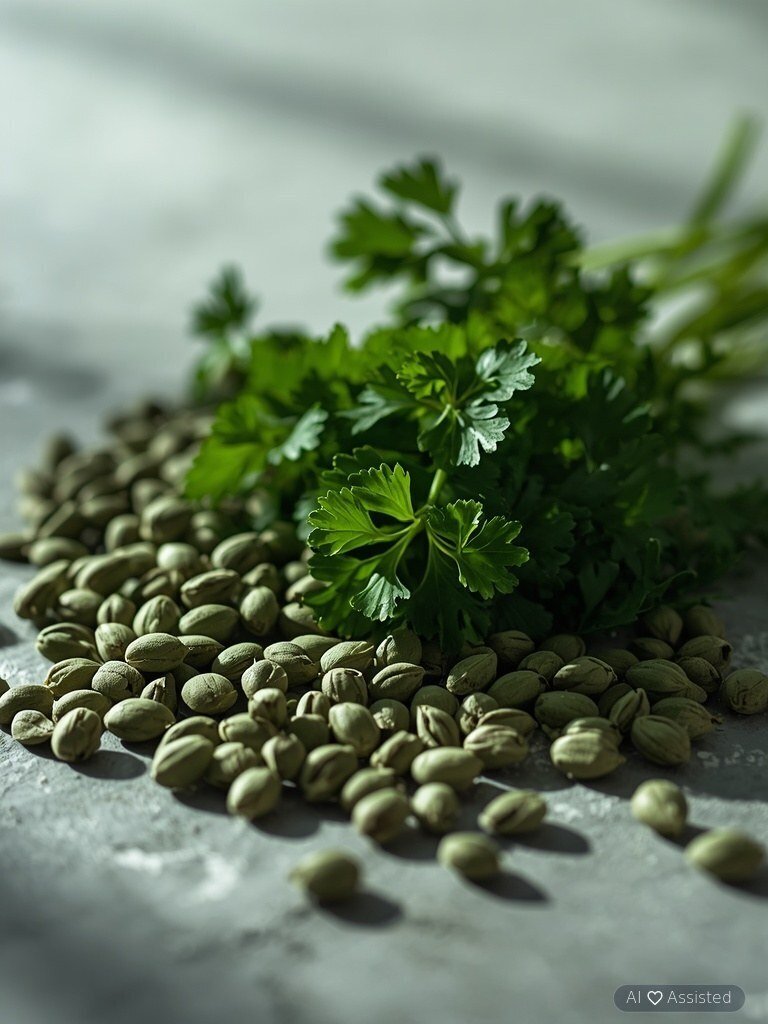
While common parsley (Petroselinum crispum) is a familiar culinary staple, fresh parsley leaves (greens) represent one of the richest botanical storehouses of vitamin C, non-heme iron, beta-carotene, and protective flavonoids in human nutrition. Even a single handful daily significantly supports immune defenses, vascular integrity, and metabolic detoxification. This comprehensive compendium details the nutritional profile, therapeutic properties, preservation protocols, and functional culinary uses of fresh parsley greens.
Want to apply these guidelines in your daily diet?
Our smart diet generator creates a tailored meal plan in 3 minutes based on the recommendations in this article.
Fresh parsley greens – botanical characteristics and culinary heritage
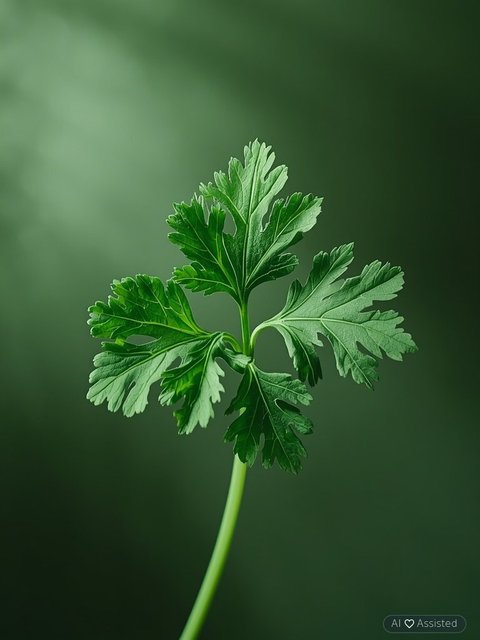
Common garden parsley (Petroselinum crispum) is a biennial herbaceous botanical belonging to the Apiaceae (celery) family. It produces vibrant, pinnately divided foliage characterized by an invigorating, aromatic sensory profile driven by volatile monoterpenes and phenylpropanoids (chiefly myristicin and apiol).
Two primary cultivars dominate culinary and dietary use: flat-leaf (Italian) parsley, distinguished by its robust, savory depth and tender texture, and curly-leaf parsley, celebrated for its textured aesthetic and mild flavor. Fresh parsley greens have been revered across centuries both as an indispensable culinary seasoning and as an invigorating phytotherapeutic tonic supporting urinary and metabolic vitality.
Nutritional density: vitamin C, iron, chlorophyll, and folate
Fresh parsley greens constitute a remarkable matrix of micronutrient density. In 100 grams of raw foliage, parsley provides up to 160–180 mg of ascorbic acid (vitamin C)—more than three times the concentration found in citrus fruits. Furthermore, it contains generous quantities of non-heme iron (~5–6 mg/100 g), and the intrinsic co-presence of ascorbic acid dramatically enhances duodenal iron absorption.
Core nutritional constituents of fresh parsley greens:
- Provitamin A (beta-carotene): Exceeds 5,000 µg/100 g, providing powerful antioxidant support for visual acuity, immune defenses, and epithelial integrity.
- Phylloquinone (vitamin K1): Exceptional density (>1,600 µg/100 g), vital for hepatic synthesis of clotting factors and skeletal osteocalcin carboxylation.
- Folate (vitamin B9): Crucial for physiological DNA methylation, erythropoiesis, and embryological neural tube development.
- Chlorophyll and bioavailable magnesium: Potent plant pigments facilitating cellular oxygenation and hepatic phase-II enzymatic detoxification.
Health-promoting properties and phytotherapeutic applications
Routine culinary consumption of fresh parsley foliage provides multimodal, clinically relevant physiological benefits:
- Mild aquaretic and diuretic stimulation: Flavonoid glycosides (apiin, luteolin) and monoterpenes promote renal glomerular filtration, assisting in sodium clearance, edema reduction, and urinary tract flushing.
- Halitosis neutralization: Concentrated chlorophyll behaves as an effective oral and systemic deodorizing agent, rapidly neutralizing volatile sulfur compounds following garlic or allium consumption.
- Antioxidant cytoprotection: High concentrations of the bioflavonoid apigenin confer anti-inflammatory and free-radical scavenging properties, safeguarding cellular structures against oxidative damage.
- Digestive enzymatic support: Bitter principles stimulate salivary and gastric enzyme secretion, alleviating postprandial heaviness, dyspepsia, and abdominal flatulence.
Preservation methods: maintaining freshness, vitamin retention, and flavor
Ascorbic acid and volatile essential oils in cut parsley degrade rapidly when exposed to ambient temperature, direct light, and atmospheric oxygen. Proven preservation techniques preserve maximum nutritive density:
- The refrigerated water-jar method: Trim the stems by 1 cm, place the bunch upright in a glass jar with fresh water (resembling a floral bouquet), cover loosely with a reusable silicone or plastic bag, and refrigerate. The foliage remains crisp for 10–14 days.
- Freezing (optimal retention strategy): Thoroughly wash, pat completely dry with lint-free towels, finely chop, and transfer into airtight glass jars or freezer containers. Cryogenic freezing preserves up to 85% of vitamin C and primary aromatic terpenes for 6–8 months.
- Olive oil freezer cubes: Pack chopped parsley tightly into silicone ice cube trays and submerge in cold-pressed extra virgin olive oil. These cubes melt effortlessly into warm dishes and dressings.
- Drawbacks of thermal drying: Conventional air- or heat-drying destroys over 70% of heat-labile vitamin C and volatilizes delicate mono-terpenoids, rendering dried parsley functionally and aromatically inferior.
Culinary and functional applications of fresh parsley greens in daily meals
To optimize bioavailability and therapeutic impact, fresh parsley should be embraced as a central vegetable ingredient rather than a trivial garnish:
- The raw addition principle: Always stir fresh parsley into soups, broths, and hot entrees at the conclusion of cooking after removing heat. Thermal processing rapidly degrades ascorbic acid.
- Artisanal parsley pesto: Blend two large bunches of fresh leaves with extra virgin olive oil, toasted pumpkin or sunflower seeds, garlic cloves, sea salt, and a squeeze of lemon juice. An exceptional nutrient-dense spread for whole grains and sourdough.
- Nutritional smoothies: A generous handful of parsley blended with kiwi, green apple, fresh cucumber, and ginger delivers a clean, revitalizing chlorophyll-rich beverage.
- Traditional gremolata and chimichurri: Finely minced parsley combined with lemon zest and garlic (classic Italian gremolata) or extra virgin olive oil, red wine vinegar, and chili (Argentine chimichurri) enlivens grilled proteins while aiding digestion.
Tags

mgr David Janitzek
✓Diets Premium Expert
Diets Premium team expert. Specializes in nutrition plans, strength sports, and training plans.
View Profile →