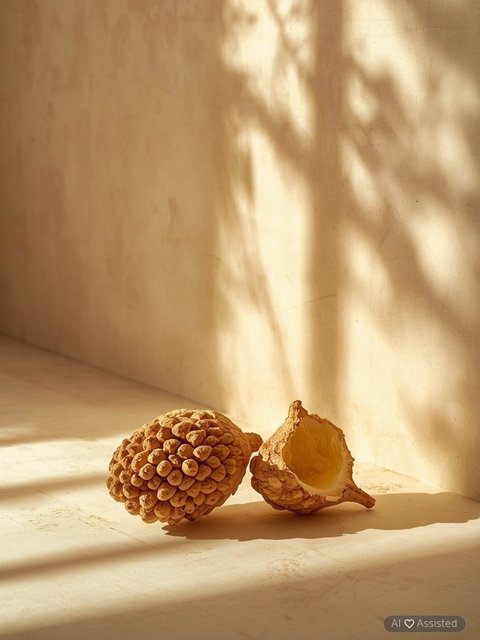
Nature’s exotic treasures: fruits that will captivate you with their unparalleled flavor and mesmerizing forms

| Diets Premium Expert Mateusz Pawlak | min read 3 min | Scientifically reviewed by a clinical dietitian 23.10.2026 |
Smart Voice
•Listen to the article content live
Explore the realm of the most unusual fruits, where striking shapes and bold flavors are guaranteed to pique your curiosity. Many of these will prove irresistible—their sophisticated, often unexpected taste profiles will treat your senses to an unforgettable experience.
Beyond their sensory appeal, we will not overlook their health benefits: we will delve into their detailed nutritional composition, revealing how these natural wonders serve as an ideal supplement to a balanced diet by providing essential nutrients and bioactive compounds that promote overall well-being.
Want to apply these guidelines in your daily diet?
Our smart diet generator creates a tailored meal plan in 3 minutes based on the recommendations in this article.
Unique forms and local superfoods: Sea buckthorn and starfruit
Sea buckthorn (Hippophae rhamnoides), often called the "Russian pineapple," grows naturally near coastal regions and features fruit resembling small olives with a vibrant orange hue. It is an exceptional source of vitamins C, P, A, E, and K, as well as rare and valuable omega-7 fatty acids that support mucosal tissue regeneration.
Another fascinating fruit is the starfruit (Averrhoa carambola), renowned for its distinctive star-like cross-section when sliced. Hailing from Southeast Asia, it provides generous amounts of vitamin C, antioxidants, iron, calcium, and magnesium, offering strong support for cardiovascular health and immune defense.
Exotic rarities: Buddha’s hand, Yangmei, and Kiwano
The citron variety Citrus medica var. sarcodactylus, commonly known as Buddha’s hand, is instantly recognized by its finger-like segments. Consisting mostly of fragrant peel, it is widely utilized in perfumery and traditional medicine, and its peel is excellent for candying.
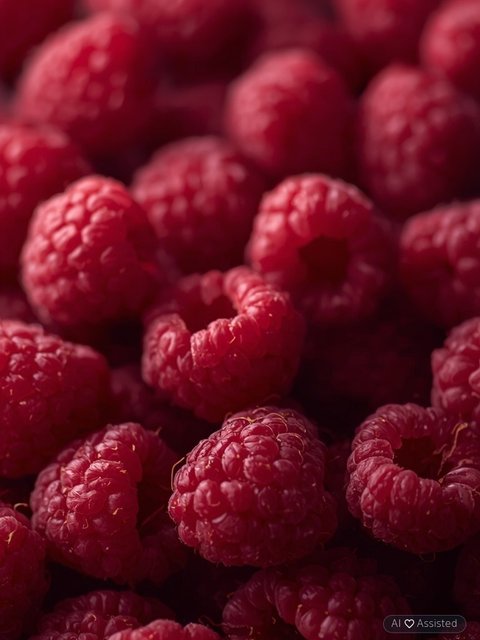
Yangmei (Myrica rubra), often referred to as the Chinese bayberry, visually resembles a raspberry growing on a tree. Its pulp has a custard-like consistency with pear and apple flavor notes, serving as a delicious antioxidant booster.
Kiwano (Cucumis metuliferus), or the horned melon, tastes like a cross between a banana and a kiwi. Rich in essential minerals, it supports cardiovascular, hepatic, and renal health while finding applications in anti-aging cosmetics.
Unusual uses: Calabash and the controversial durian
The calabash (Lagenaria siceraria), or bottle gourd, features an extremely hard shell that can grow up to a meter in length. Historically, hollowed-out calabashes have been utilized to craft durable utensils and musical instruments, while its greenish pulp held traditional medicinal value.
The durian (Durio zibethinus), widely known as the "king of fruits," is notorious for its pungent aroma resembling blue cheese, yet it boasts an exceptionally rich nutrient profile. Packed with essential vitamins and minerals, durian is valued in traditional contexts as a restorative food and mild aphrodisiac.
Ultimately, exploring the vast array of extraordinary exotic fruits enriches our dietary knowledge. Even if some remain rare in local markets, understanding their biological value empowers mindful and adventurous nutrition.
Tags

mgr Mateusz Pawlak
✓Diets Premium Expert
Diets Premium team expert. Specializes in nutrition plans, strength sports, and training plans.
View Profile →