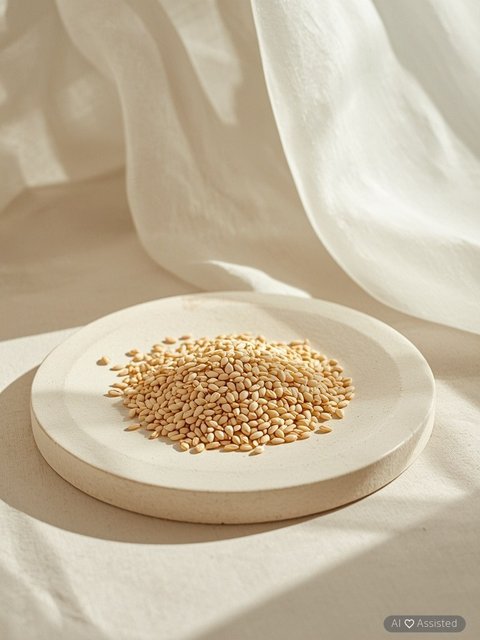
Sesame oil – a botanical sterol-rich extract with demonstrated LDL-lowering potential

| Diets Premium Expert Lena Bauer | min read 2 min | Scientifically reviewed by a clinical dietitian 23.10.2026 |

Smart Voice
•Listen to the article content live
Cold-pressed oil derived from sesame seeds is distinguished by its exceptionally high concentration of plant-derived sterols—bioactive phytochemicals scientifically proven to reduce circulating levels of low-density lipoprotein (LDL) cholesterol, commonly referred to as "bad" cholesterol. In alignment with guidelines issued by the European Food Safety Authority (EFSA), however, daily phytosterol intake should not exceed 3 grams. This threshold is readily achievable through the consumption of just two tablespoons of sesame oil.
Notably, emerging evidence from systematic clinical reviews suggests that these same sterol compounds may also exhibit analgesic properties, though the precise biochemical pathways underlying this effect remain an active area of investigation.
Want to apply these guidelines in your daily diet?
Our smart diet generator creates a tailored meal plan in 3 minutes based on the recommendations in this article.
Sesame oil properties
Sesame oil contains a very high amount of plant phytosterols. They have an effect on reducing the concentration of LDL cholesterol in the blood serum. However, according to the recommendations of the Committee on Food, no more than 3 g of phytoesterols per day should be consumed.
Two tablespoons of sesame oil per day is enough. Studies have shown that plant sterols have anti-pain properties. Studies conducted in terms of the ability to inhibit the development of malignant tumors, thanks to the use of seeds oil, have unambiguously shown that this product inhibits the growth of fatty acids.
Use of sesame oil
Unrefined virgin sesame oil should not be used for deep frying due to its delicate volatile compounds and unrefined lipid fractions. However, it is an exquisite dressing and finishing oil for fresh salads, steamed greens, grain dishes, and traditional noodle bowls.
It holds legendary status in Asian gastronomy, where even a few drops of toasted or cold-pressed sesame oil impart an unmistakable, aromatic depth to soups, marinades, and stir-fries immediately prior to serving. Furthermore, it supplies valuable polyunsaturated fatty acids, natural vitamin E, and trace minerals (including magnesium, copper, and calcium) that support vascular and metabolic health.
Sesamin and sesamol: unique lignans conferring hypocholesterolemic and antioxidant efficacy
The distinctive therapeutic profile of sesame seed oil is governed by its signature lignans—sesamin and sesamolin, which during seed roasting yield sesamol. These bioactive lignans function as formidable lipophilic antioxidants, endowing sesame oil with superior oxidative resistance and shelf stability.
Clinical investigations confirm that sesamin inhibits hepatic HMG-CoA reductase—the rate-limiting enzyme in endogenous cholesterol biosynthesis—while stimulating fecal bile acid excretion. Furthermore, sesamin modulates delta-5-desaturase activity, dampening pro-inflammatory eicosanoid generation and exerting mild hypotensive actions.
Tags

Lena Bauer
✓Diets Premium Expert
Diets Premium team expert. Specializes in nutrition plans, strength sports, and training plans.
View Profile →