4 min read
Dietary guidelines for nickel allergy sufferers – restricted and advisable food choices

Olivia Davis
✓
Diets Premium Expert • 24.09.2026
✓
Scientifically reviewed by a clinical dietitian:
This article has been peer-reviewed for adherence to IŻŻ, WHO, and PTGiP clinical nutritional standards.
| Diets Premium Expert Olivia Davis | min read 4 min | Scientifically reviewed by a clinical dietitian 24.09.2026 |

Smart Voice
•Listen to the article content live
0:00
/
0:00
Key Takeaways
Nickel sensitivity represents one of the more common allergic conditions affecting both children and adults. In Poland, prior to 2000, it was diagnosed far less frequently than in the United States or Western European countries. However, over the past few decades, the incidence rates have gradually aligned with Western standards.
Meal Plan
Want to apply these guidelines in your daily diet?
Our smart diet generator creates a tailored meal plan in 3 minutes based on the recommendations in this article.
Allergy to nickel
It is estimated that about 17% of adults and 8% of children are allergic to nickel, and that it is more common in women. Nickel is one of the most common metals after iron. Therefore, it is impossible to completely exclude it from both the diet and the environment. Consequently, it is necessary to observe dietary and lifestyle rules to minimize contact with this sensitizing element.
A dietary approach to nickel allergy
People with a nickel allergy follow a restricted diet known as the Low Nickel Diet (LND). This diet aims to limit foods high in nickel and avoid contact with nickel-containing items and detergents. Following the LND diet can greatly alleviate uncomfortable allergy symptoms such as contact dermatitis or conjunctivitis. Adhering to these rules also helps to improve the overall condition of the body and the quality of life for allergic individuals.
The LND diet – Prohibited products
Persons suffering from a nickel allergy should eliminate certain products from their diet, including: cherries, nuts, almonds, peanuts, canned corn, preserved vegetables, products containing oats (including oatmeal), processed cheeses, ketchup and tomato concentrate, processed margarines, chocolate, coffee, strong tea, cocoa, wine (especially red wine), beer, whole grains and whole grain products, peas, beans, lentils, soybeans, mackerel, tuna, seafood, canned fish, flaxseeds, sunflower seeds, dried fruit, canned products, and beverages or supplements containing nickel. Individuals with severe allergies are also advised to avoid tap water, as it often contains high concentrations of nickel leaching from plumbing systems.
The LND diet – Recommended products
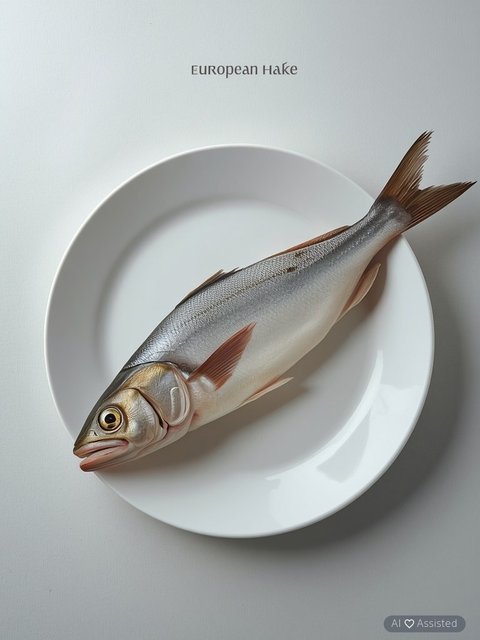
The diet for individuals with a nickel allergy should be rich in animal-derived products. Eggs and dairy items are highly recommended. Numerous studies demonstrate that the less processed a food item is, the lower its nickel content. Foods that can be safely consumed by allergy sufferers without restrictions include: eggs, meat, poultry, fresh fish, butter, milk, natural yogurt, rice, rice noodles, corn, popcorn, corn flour, bananas, blueberries, peaches, asparagus, beets, white cabbage, cucumbers, eggplant, pumpkin, garlic, onion, peppers, potatoes, yeast, and corn- or wheat-based alcoholic beverages. Adhering to these recommendations helps soothe skin inflammation, reduce flare-ups, and enhance patients' overall comfort and quality of life.

Olivia Davis
✓Diets Premium Expert
Diets Premium team expert. Specializes in nutrition plans, strength sports, and training plans.
View Profile →