Peppermint essential oil – comprehensive profile, practical uses, and reliable sources for premium-quality extracts

| Diets Premium Expert Wojciech Wiśniewski | min read 4 min | Scientifically reviewed by a clinical dietitian 23.10.2026 |
Smart Voice
•Listen to the article content live
Peppermint (Mentha × piperita), a natural hybrid derived from watermint (M. aquatica) and spearmint (M. spicata), transcends its reputation as a mere aromatic herb with a refreshing flavor profile. This versatile plant, ubiquitous across Europe and North America, has long been a cornerstone of folk medicine—particularly as a natural analgesic. Contemporary scientific research now substantiates its therapeutic properties, positioning peppermint essential oil as a valuable adjunct in modern preventive healthcare and complementary treatment protocols.
Want to apply these guidelines in your daily diet?
Our smart diet generator creates a tailored meal plan in 3 minutes based on the recommendations in this article.
Peppermint essential oil – botanical origin and distillation
Peppermint essential oil is steam-distilled from the fresh or partly dried aerial flowering herb of Mentha x piperita, a sterile hybrid of spearmint (Mentha spicata) and water mint (Mentha aquatica). Cultivated extensively across Europe and North America, the oil is a clear, pale-yellow liquid distinguished by its sharp, cooling, and penetrating mentholated fragrance. Its primary bioactive components are menthol (35–50%) and menthone (15–30%), alongside menthyl acetate, 1,8-cineole, and limonene.
Bioactive mechanisms: TRPM8 receptor activation and antispasmodic effects
Menthol exerts its signature physiological sensations by binding directly to TRPM8 cold-sensing ion channels in dermal and mucosal sensory neurons, producing a profound cooling and desensitizing local anesthetic sensation. In gastrointestinal pharmacology, peppermint oil blocks calcium channels in intestinal smooth muscle, conferring rapid antispasmodic and carminative actions that ease colicky abdominal cramps, bloating, and excessive visceral hypersensitivity in irritable bowel syndrome (IBS).
Therapeutic applications: tension headaches, digestion, and pain relief
A 10% topical alcoholic solution of peppermint oil applied across the forehead and temples has been clinically demonstrated to provide analgesic relief in tension headaches comparable to paracetamol or acetaminophen. Furthermore, diluted peppermint oil massages ease localized athletic muscular soreness and myofascial tension. Inhalation of peppermint vapors clears congested nasal passages, enhances cognitive alertness, and alleviates travel nausea.
Quality criteria, administration routes, and purchasing guidelines
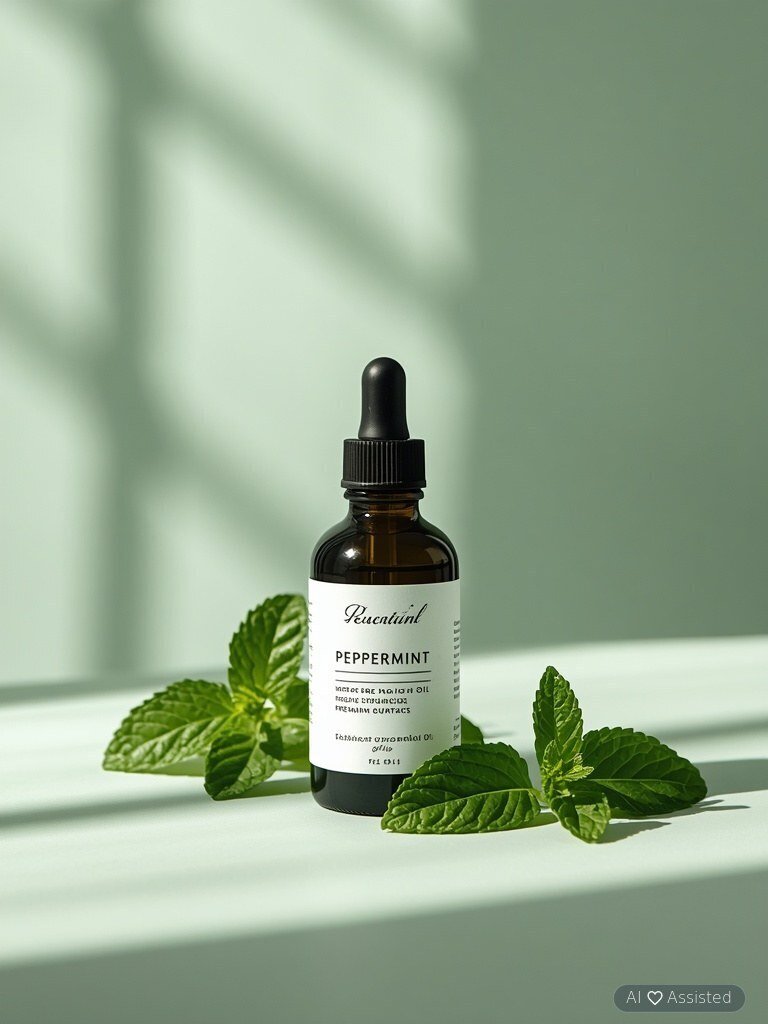
When purchasing peppermint essential oil, choose 100% pure steam-distilled essential oil packaged in dark amber glass bottles, clearly specifying the botanical binomial Mentha x piperita. For gastrointestinal conditions, only pharmaceutical-grade enteric-coated capsules should be ingested, ensuring the oil bypasses the stomach without triggering esophageal reflux or heartburn. Undiluted oil should never be applied directly to the face or nostrils of infants and toddlers, as menthol vapors can trigger acute reflex apnea.
Tags

Wojciech Wiśniewski
✓Diets Premium Expert
Diets Premium team expert. Specializes in nutrition plans, strength sports, and training plans.
View Profile →