Cardioprotective Nutrition: Atherosclerosis Prevention, Lipid Profile Optimization, and Endothelial Health

| Diets Premium Expert Mateusz Pawlak | min read 10 min | Scientifically reviewed by a clinical dietitian 23.10.2026 |

Smart Voice
•Listen to the article content live
Cardiovascular disease (CVD), encompassing coronary artery disease and myocardial infarction, remains the leading cause of mortality globally. The central pathophysiological driver is atherogenesis, propelled by dyslipidemia, endothelial shear stress, and chronic vascular inflammation. An evidence-based cardioprotective nutritional intervention can halt atherosclerotic plaque progression, lower atherogenic lipoproteins, and restore vascular elasticity. Which fatty acid profiles are clinically beneficial, why does the Mediterranean diet represent the clinical gold standard, and which functional foods provide optimal vascular protection?
Want to apply these guidelines in your daily diet?
Our smart diet generator creates a tailored meal plan in 3 minutes based on the recommendations in this article.
This article is professional premium content (PRO) provided in its entirety.
Deciphering the Lipid Profile: Cholesterol, Apolipoproteins, and Atherogenesis
Clinical evaluation of vascular risk relies on a comprehensive lipid profile measuring Total Cholesterol (TC), Low-Density Lipoprotein Cholesterol (LDL-C), High-Density Lipoprotein Cholesterol (HDL-C), and Triglycerides (TG). Contemporary cardiology prioritizes Non-HDL cholesterol and Apolipoprotein B (ApoB) concentrations, which accurately quantify the total particle count of atherogenic lipoproteins. Small dense LDL particles penetrate the subendothelial space, undergoing enzymatic and oxidative modification (ox-LDL). Scavenger receptors on macrophages engulf ox-LDL, forming foam cells that coalesce into the lipid core of atherosclerotic plaques.
Dietary Lipids and Cardiovascular Health: Fatty Acid Selection
Historical recommendations favoring blanket low-fat diets have been superseded by nuanced lipid quality paradigms. Industrial trans-fatty acids (partially hydrogenated oils in processed confectioneries and fast food) must be strictly eliminated, as they simultaneously elevate LDL-C and lower cardioprotective HDL-C. Saturated fatty acids (found in fatty cuts of meat, lard, butter, and palm oil) should be restricted to below 7% of total caloric intake. Dietary foundations must center on monounsaturated fatty acids (MUFAs) from extra virgin olive oil and avocados, alongside omega-3 polyunsaturated fatty acids (PUFAs)—specifically alpha-linolenic acid (ALA) from flaxseed and walnuts, and marine EPA/DHA from wild-caught cold-water fish, which exert potent anti-inflammatory, antiarrhythmic, and antithrombotic actions.
The Mediterranean Diet: Gold Standard in Preventive Cardiology
The Mediterranean dietary pattern and its hypertension-specific variant, the DASH diet, represent the premier evidence-based standards in clinical cardiology. Landmark trials, notably PREDIMED, established that adhering to a Mediterranean regimen supplemented with extra virgin olive oil or mixed tree nuts confers a statistically robust 30% reduction in major adverse cardiovascular events (MACE: stroke, myocardial infarction, and cardiovascular mortality). This eating architecture centers on high intakes of unrefined plant foods, legumes, whole grains, marine seafood, and seeds, paired with minimal reliance on red meats and refined sugars.
Vascular Antioxidants: Endothelial Function and Nitric Oxide
Fresh vegetables and fruits provide concentrated bioactive phytochemicals that confer profound endothelial defense. Anthocyanins (in dark berries), resveratrol (in dark grape skins), and lycopene (in cooked tomatoes) neutralize vascular oxidative stress, blunting the oxidation of subendothelial LDL. Crucially, these molecules upregulate endothelial nitric oxide synthase (eNOS), enhancing the bioavailability of nitric oxide (NO)—the vital endogenous signaling molecule responsible for flow-mediated vasodilation, blood pressure homeostasis, and platelet anti-aggregation. Consuming at least 400–500 g of diverse, deeply pigmented produce daily supports optimal vascular biology.
Soluble Dietary Fiber and Bile Acid Excretion: Lowering LDL-C
Dietary fiber, particularly viscous soluble fractions (beta-glucans from oats and barley, pectins from apples and citrus, and psyllium husk), serves as an indispensable dietary hypolipidemic tool. In the intestinal lumen, soluble fiber forms a gel-like matrix that binds bile acids and dietary cholesterol, sequestering them and promoting fecal excretion. To replenish bile acid pools, the liver utilizes circulating cholesterol by upregulating hepatic LDL receptors, producing a clinically meaningful 5–15% reduction in circulating LDL-C. Additionally, gut microbiota fermentation of soluble fiber yields propionate, a short-chain fatty acid that downregulates endogenous hepatic cholesterol synthesis.
Functional Cardioprotective Foods: Berries, Nuts, Olive Oil, and Garlic
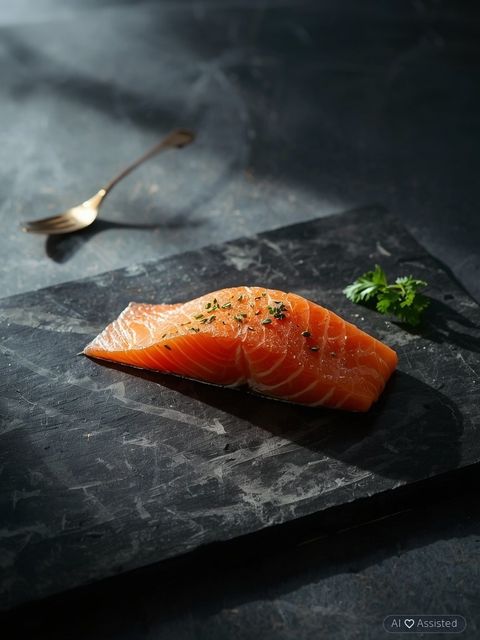
Specific functional foods with robust cardioprotective evidence include: 1. Cold-pressed Extra Virgin Olive Oil: exceptionally dense in oleocanthal and hydroxytyrosol, conferring systemic anti-inflammatory actions; 2. Raw tree nuts and walnuts: daily consumption of 30 g improves endothelial vasodilation and lowers atherogenic particles; 3. Fatty cold-water marine fish (wild salmon, sardines, mackerel twice weekly): supplying bioactive EPA and DHA that lower circulating triglycerides by 20–30%; 4. Dark berries (aronia, blackcurrant, wild blueberries): dampening platelet hyper-reactivity; 5. Aged garlic extract: liberating allicin to support mild hypotensive and antithrombotic outcomes; 6. High-cacao dark chocolate (>80%): flavan-3-ols optimizing flow-mediated dilation.
Tags

mgr Mateusz Pawlak
✓Diets Premium Expert
Diets Premium team expert. Specializes in nutrition plans, strength sports, and training plans.
View Profile →