Nutritional Profile of Smoked Salmon: Key Components, Pregnancy Safety Guidelines, and Optimal Preparation Techniques

| Diets Premium Expert Olivia Davis | min read 4 min | Scientifically reviewed by a clinical dietitian 23.10.2026 |
Smart Voice
•Listen to the article content live
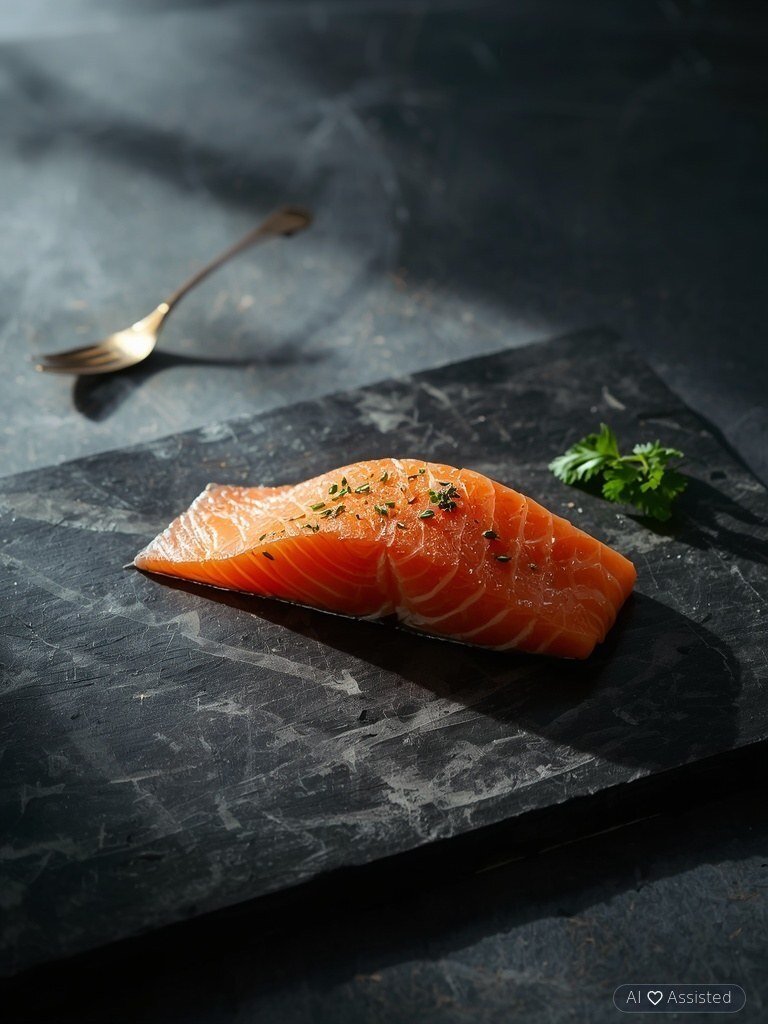
Gestational nutrition demands strict balance between peak micronutrient quality and rigorous microbiological safety. Smoked salmon provides essential fetal neurodevelopmental substrates—predominantly docosahexaenoic acid (DHA), iodine, selenium, and vitamin D3. However, due to the risk of Listeria monocytogenes contamination in cold-cured fish, pregnant individuals must strictly adhere to specific thermal processing and preparation standards.
Want to apply these guidelines in your daily diet?
Our smart diet generator creates a tailored meal plan in 3 minutes based on the recommendations in this article.
Smoked Salmon – Production Standards and Product Characteristics
Smoked salmon is produced by curing and smoking fresh salmon fillets. The market is defined by two primary processing methods: cold-smoked (temperatures below 30°C) and hot-smoked (temperatures ranging from 60–85°C).
Whereas cold-smoking preserves the protein structure in a raw state, hot-smoking fully cooks the fillet, effectively neutralizing vegetative bacterial pathogens.
Critical Nutrients for Fetal Development (DHA, Iodine, Vitamin D)
Fatty marine fish delivers vital micronutrients essential throughout pregnancy:
- DHA fatty acids – the primary structural constituent of fetal cerebral cortex and retinal tissue;
- Vitamin D3 – directing fetal skeletal mineralization and modulating maternal immunological tolerance;
- Iodine and selenium – cofactors required for thyroid hormone synthesis, underpinning neurodevelopment;
- High-quality protein – supplying building blocks for rapid embryonic, placental, and maternal tissue growth.
Pregnancy Safety: Listeria monocytogenes Risk and Prevention
The preeminent clinical danger regarding raw or cold-smoked salmon in pregnancy is contamination by Listeria monocytogenes (listeriosis).
Maternal immune modulation renders pregnant individuals substantially more susceptible to invasive listeriosis. Intrauterine transmission can precipitate miscarriage, preterm labor, or severe neonatal septicemia. Core guideline: Expectant mothers must avoid cold-smoked salmon unless it is thoroughly heated prior to consumption.
How to Safely Prepare Smoked Salmon for Expectant Mothers
Expectant mothers can enjoy salmon safely and obtain its nutritional benefits by following strict kitchen protocols:
- Thorough thermal heating – incorporate smoked salmon into hot casseroles, pasta sauces, frittatas, or quiches, ensuring an internal temperature of 70–75°C for at least 2 minutes to eliminate bacteria;
- Hot-smoked selection – choose fresh, commercially sealed hot-smoked portions from reputable suppliers and consume within 24–48 hours of unsealing;
- Cross-contamination defense – maintain strict sanitization of cutting surfaces, knives, and hands.
Wholesome, Pregnancy-Safe Salmon Recipes
Nutritious and delicious meal ideas safe for pregnant women:
- Whole-grain pasta with simmered salmon and baby spinach – sauté garlic in olive oil, wilt spinach, fold in salmon pieces with ricotta, and simmer for 5 minutes until thoroughly heated;
- Mediterranean vegetable salmon bake – layer steamed broccoli florets, potatoes, and salmon in a casserole dish, topped with whisked egg and yogurt, baked at 180°C for 25 minutes;
- Oven-baked garden frittata – whisked eggs with herbs, cherry tomatoes, and salmon pieces baked until golden and thoroughly set.
Tags

Olivia Davis
✓Diets Premium Expert
Diets Premium team expert. Specializes in nutrition plans, strength sports, and training plans.
View Profile →