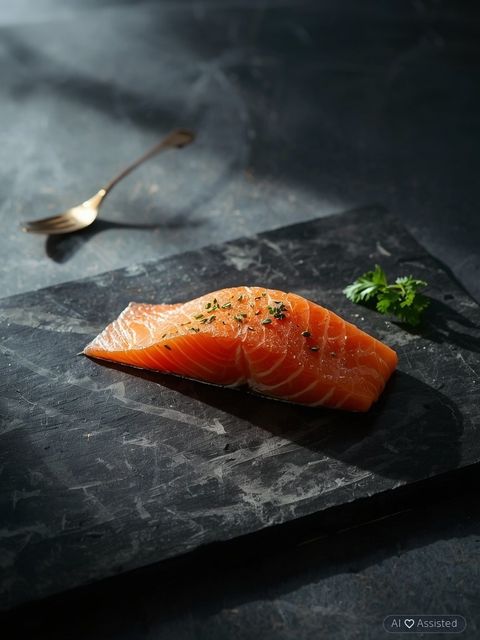
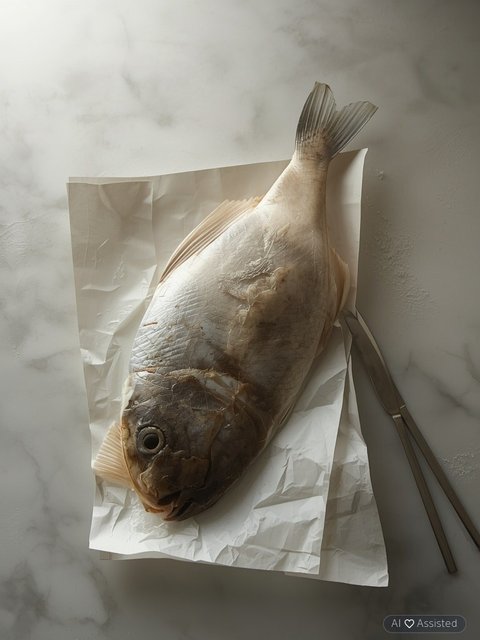
Prepared in diverse manners - which type of fish contains the highest amount of omega fatty acids?

| Diets Premium Expert Tomasz Jankowski | min read 1 min | Scientifically reviewed by a clinical dietitian 23.10.2026 |
Smart Voice
•Listen to the article content live
Fish represent an unmatched source of polyunsaturated omega-3 (EPA and DHA) and omega-6 fatty acids, essential for cardiovascular, neurological, and visual health. However, the concentration of these vital lipids varies significantly across species and is strongly influenced by culinary preparation methods. In this comprehensive guide, we explore which fish offer the highest omega levels, how cooking techniques impact lipid stability, and how to safely optimize fish consumption.
Want to apply these guidelines in your daily diet?
Our smart diet generator creates a tailored meal plan in 3 minutes based on the recommendations in this article.
The physiological importance of omega-3 and omega-6 fatty acids: foundations of cellular health
Polyunsaturated fatty acids (PUFAs) belonging to the omega-3 (eicosapentaenoic acid - EPA and docosahexaenoic acid - DHA) and omega-6 (linoleic acid - LA and arachidonic acid - AA) families serve as essential structural constituents of phospholipid cell membranes throughout the human body. Because human desaturase enzymes lack the biochemical capacity to insert double bonds at the omega-3 and omega-6 positions, these lipids are strictly essential and must be obtained from dietary sources. DHA is especially enriched in the cerebral cortex and retina, where it maintains synaptic membrane fluidity and optimizes signal transduction. Concurrently, EPA serves as a critical substrate for the biosynthesis of odd-series anti-inflammatory eicosanoids (PGE3, TXA3, LTB5) as well as resolvins and protectins that actively resolve vascular inflammation.
From a metabolic perspective, physiological outcomes depend not only on total PUFA quantity but predominantly on the dietary ratio of omega-6 to omega-3. Evolutionary diets maintained a balanced ratio near 1:1 to 4:1, whereas contemporary Western dietary patterns frequently reach adverse ratios exceeding 15:1 or 20:1. An excessive abundance of arachidonic acid relative to EPA favors the production of pro-inflammatory 2- and 4-series mediators, increasing platelet aggregation, vasoconstriction, and atherogenesis. Consistently consuming fish rich in preformed marine EPA and DHA represents the most reliable dietary strategy for restoring systemic lipid homeostasis and mitigating cardiovascular risk.
Ranking fish species by omega fatty acid content: pelagic oily fish versus lean and freshwater varieties
The concentration of EPA and DHA in fish tissue exhibits profound interspecies variation, primarily governed by intramuscular lipid content and the fish's natural diet of marine phytoplankton and zooplankton. Wild pelagic fish inhabiting cold northern waters consistently rank as the most potent sources of marine omega-3s. Atlantic mackerel leads the hierarchy, delivering between 2.5 and 3.2 grams of total omega-3 fatty acids per 100 grams of fresh tissue. Other premier sources include wild salmon (approximately 2.0–2.6 g/100 g), Atlantic and Baltic herring (1.6–2.4 g/100 g), and sardines (1.5–2.2 g/100 g). Crucially, small pelagic species such as anchovies and sardines offer exceptional omega density combined with minimal exposure to environmental contaminants.
In contrast, freshwater species generally synthesize and accumulate lower levels of long-chain omega-3s, with the notable exception of rainbow trout, which provides approximately 0.8–1.2 grams of EPA/DHA per 100 grams, serving as an outstanding regional option. Lean white fish—such as Atlantic cod, pollock, hake, and pikeperch—contain modest quantities of omega-3s (0.1–0.3 g/100 g), though their lipid fraction remains predominantly unsaturated. For aquaculture products (e.g., farmed Atlantic salmon), fatty acid composition directly reflects feed formulation; while total lipid yield may be higher than wild counterparts, the omega-6 to omega-3 ratio is often shifted upward due to the incorporation of terrestrial plant oils into commercial aquafeeds.
Impact of culinary preparation on fatty acid stability: optimal steaming, baking, and cooking techniques
Due to multiple conjugated double bonds (five in EPA and six in DHA), long-chain polyunsaturated fatty acids are inherently sensitive to thermal oxidation, light exposure, and atmospheric oxygen. Inappropriate culinary practices promote lipid peroxidation, generating hydroperoxides, cytotoxic aldehydes, and epoxides that degrade nutritional quality while imposing oxidative stress on vascular endothelium. Controlled biochemical assays demonstrate that low-temperature, moisture-retaining preparation methods—such as gentle steaming, poaching, covered braising, and precision sous-vide cooking (at 50–58°C)—yield superior lipid preservation, maintaining EPA and DHA retention rates above 90–95%.
Oven baking at moderate temperatures (160–170°C) inside parchment paper or covered ceramic dishes also ensures robust fatty acid retention while minimizing crust charring. Conversely, deep frying at elevated temperatures (exceeding 180°C) constitutes the most detrimental preparation method. Frying in omega-6-heavy vegetable oils (such as corn or sunflower oil) induces lipid exchange between the frying medium and the fish fillet, drastically inflating the omega-6 fraction and degrading delicate marine lipids. When pan-searing is chosen, using brief cooking durations with thermally stable, polyphenol-rich fats (such as extra virgin olive oil or high-oleic rapeseed oil) coupled with antioxidant herbs (rosemary, thyme, oregano) provides substantial protection against oxidative degradation.
Toxicological safety of fish consumption: heavy metals, microplastics, and dioxins – navigating smart consumer choices
While the cardioprotective and neurocognitive merits of marine omega-3s are extensively documented, dietary recommendations must address the concurrent risk of environmental bioaccumulative contaminants. Lipophilic pollutants, notably polychlorinated dibenzodioxins (PCDDs), polychlorinated biphenyls (PCBs), and organic methylmercury, progressively accumulate across marine trophic webs. Long-lived apex predatory fish—including shark, swordfish, king mackerel, and bigeye tuna—harbor the highest concentrations of neurotoxic methylmercury. Consequently, international regulatory bodies (such as the EFSA and US FDA) strictly counsel women of childbearing age, pregnant individuals, and young children to avoid these apex species.
To secure optimal EPA and DHA intake while minimizing toxicological burdens, clinical guidelines emphasize the consumption of smaller pelagic fish situated lower in the marine food chain. Species such as sardines, Atlantic herring, European sprats, and wild Alaskan sockeye salmon combine exceptional omega-3 density with negligibly low heavy metal and organic pollutant residues. Consumers should also look for credible sustainability accreditations, such as Marine Stewardship Council (MSC) and Aquaculture Stewardship Council (ASC) certifications, which verify ecological harvest standards and rigorous batch traceability.
Practical consumer guide: intake dosages, meal planning, and clinical dietary guidelines
In accordance with guidelines issued by the European Food Safety Authority (EFSA) and international cardiology societies, the recommended daily maintenance intake of combined EPA and DHA for healthy adults is 250–500 mg. For individuals managing existing ischemic heart disease, hypertriglyceridemia, or metabolic syndrome, clinical recommendations often increase to 1,000–3,000 mg daily under medical supervision. Meeting physiological requirements is readily achievable through a dietary pattern incorporating two 150-gram fish servings per week, ensuring that at least one serving comprises an oily marine variety such as baked mackerel, herring, or salmon.
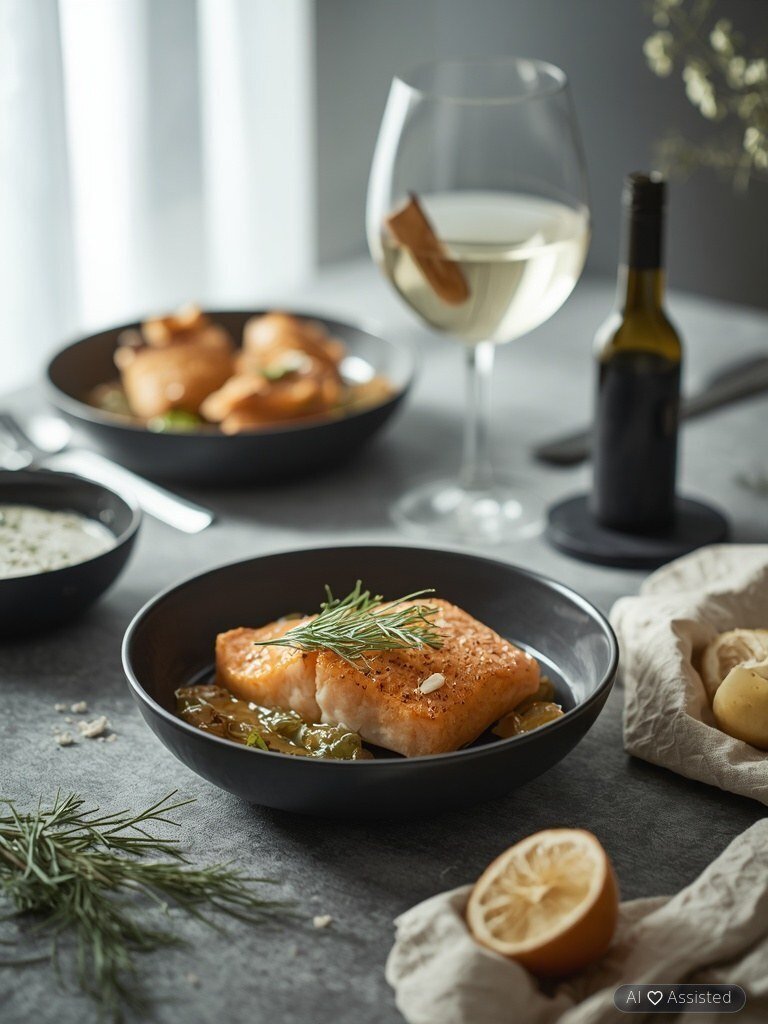
When constructing fish-based meals, pairing fillets with vegetables rich in antioxidant vitamins C and E as well as carotenoids (such as broccoli, spinach, sweet bell peppers, and tomatoes) provides valuable in vivo antioxidant protection against postprandial lipid peroxidation. Drizzling freshly squeezed lemon juice and incorporating aromatic culinary herbs (oregano, parsley, dill) delivers bioflavonoids that synergistically support cardiovascular tissue. Prioritizing high-quality, sustainably sourced fish prepared through low-impact cooking methods represents one of the most effective lifestyle interventions for fostering metabolic vitality and long-term cardiovascular resilience.

mgr Tomasz Jankowski
✓Diets Premium Expert
Diets Premium team expert. Specializes in nutrition plans, strength sports, and training plans.
View Profile →