Atlantic Salmon (Salmo salar): Biological Profile, Habitats, Aquaculture Methods, and Culinary Preparation

| Diets Premium Expert Tomasz Jankowski | min read 4 min | Scientifically reviewed by a clinical dietitian 23.10.2026 |
Smart Voice
•Listen to the article content live
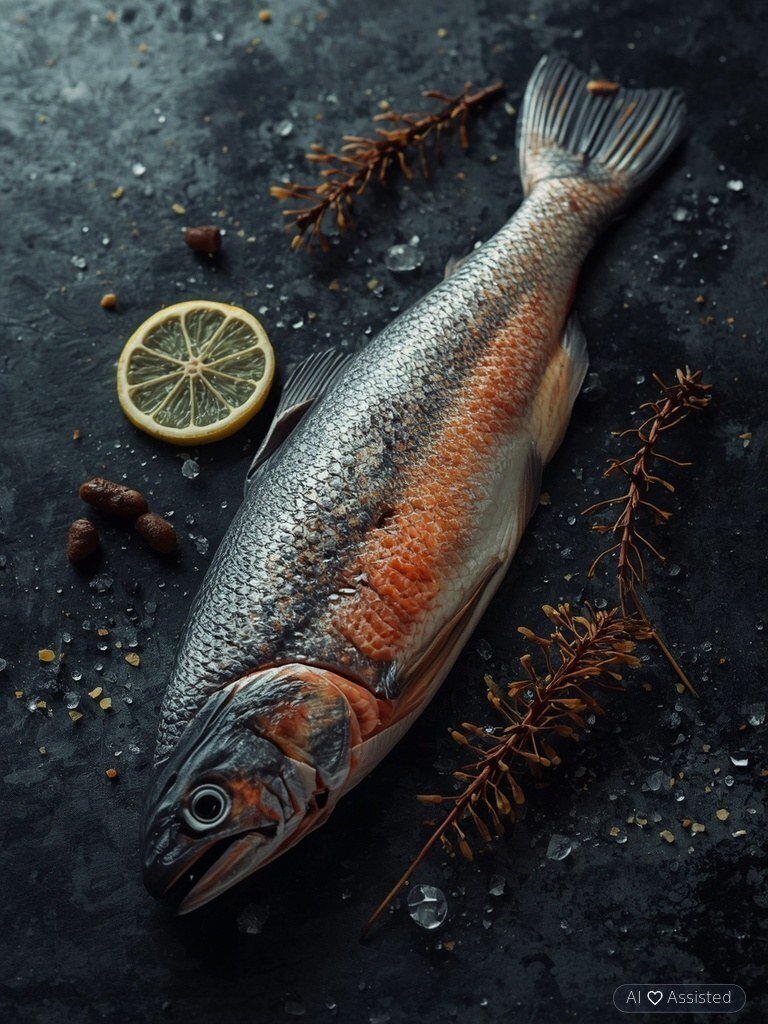
Atlantic salmon (Salmo salar) is an anadromous predatory fish of the salmonid family, esteemed globally across gastronomy and clinical dietetics. Celebrated for its remarkable nutritional density, Atlantic salmon represents a premier dietary source of high-biological-value protein, bioavailable vitamin D3, and essential long-chain omega-3 fatty acids (EPA and DHA).
Want to apply these guidelines in your daily diet?
Our smart diet generator creates a tailored meal plan in 3 minutes based on the recommendations in this article.
Biology and Nutritional Matrix of Atlantic Salmon
Atlantic salmon is an anadromous species: hatching in pristine freshwater rivers, smolting into oceanic saltwater for rapid growth, and migrating upstream to native riverbeds for spawning.
A 100 g portion provides approximately 20 g of complete protein and 10 to 14 g of lipids dominated by polyunsaturated omega-3 fatty acids (up to 2.5 g combined EPA and DHA). Furthermore, salmon meat supplies fat-soluble vitamins (A, D3), cobalamin (B12), selenium, iodine, and astaxanthin—a potent antioxidant carotenoid responsible for the meat's characteristic coral-pink hue.
Natural Habitats and Ocean Migration Routes
Wild Atlantic salmon naturally inhabits the temperate and subarctic North Atlantic basin and contiguous marginal seas, including the Baltic, North, Norwegian, and Barents seas, alongside coastal river systems of Northern Europe and eastern North America.
Wild Baltic populations typically feature paler flesh, sustained by a wild pelagic diet of sprat and herring. However, anthropogenic pressures, habitat fragmentation, and overexploitation have drastically contracted wild stocks, making them strictly regulated.
Aquaculture Standards and Sustainable Salmon Farming
Over 90% of globally retailed salmon originates from open-net marine cages situated in the pristine fjords of Norway, Chile, Scotland, and Canada.
Leading farms adhere to stringent certification standards (e.g., ASC, GlobalGAP). Rigorously tested aquafeed formulations have dramatically diminished historical persistent organic pollutants (dioxins, PCBs), rendering certified farmed salmon a safe, reliable dietary resource.
Culinary Characteristics and Freshness Quality Evaluation
High-grade fresh salmon fillets display firm, resilient muscle tissue with uniform pigmentation and clean white intermuscular fat marbling. The skin must glisten with clear moisture, exuding a fresh maritime scent devoid of pungent ammonia notes.
Salmon harmonizes exquisitely with aromatic herbs (dill, rosemary), citrus juices, garlic, ginger, and tamari soy, maintaining unctuous tenderness across multiple cooking methods.
Optimal Culinary Techniques to Preserve Omega-3 Fatty Acids
Long-chain omega-3 fatty acids are vulnerable to extreme thermal degradation and lipid peroxidation. Prolonged deep frying significantly impairs fatty acid profiles.
The healthiest culinary methods include: baking en papillote at 160–180°C, gentle steaming, light poaching, and sous-vide cooking at 48–52°C. These approaches safeguard the delicate bioactivity of EPA, DHA, and vitamin D while preserving maximal succulence.
Tags

mgr Tomasz Jankowski
✓Diets Premium Expert
Diets Premium team expert. Specializes in nutrition plans, strength sports, and training plans.
View Profile →