Edible Flowers in Contemporary Gastronomy: Botanical Taxonomy, Phytochemical Nutrition, Culinary Sensory Science, and Toxicological Safety

| Diets Premium Expert Mia Hoffmann | min read 4 min | Scientifically reviewed by a clinical dietitian 23.10.2026 |
Smart Voice
•Listen to the article content live
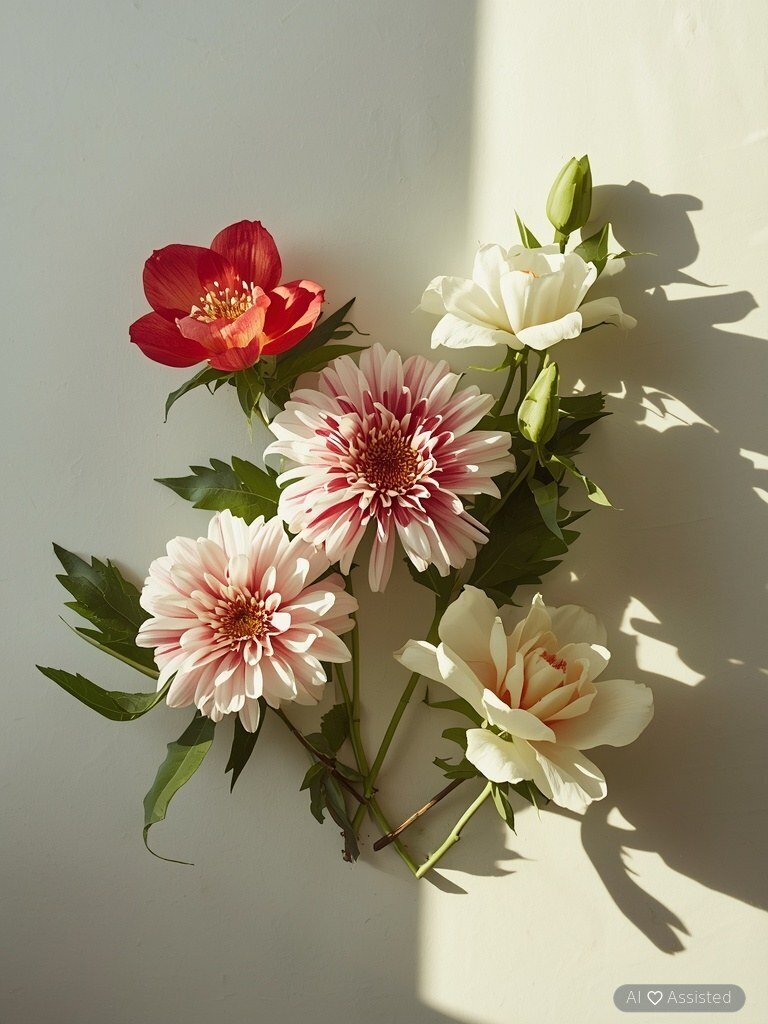
Edible flowers are enjoying a major renaissance in haute cuisine and functional nutrition. Far exceeding mere aesthetic plate garnishing, culinary blossoms such as nasturtium, borage, violas, calendula, and courgette flowers supply concentrated bioactive phytochemicals, notably anthocyanins, lutein, polyphenols, and essential oils endowed with high antioxidant capacity. However, culinary foraging necessitates rigorous botanical taxonomy to prevent lethal confusion with highly toxic ornamental flora and industrial floristry pesticides. This comprehensive monograph details edible species, phytochemical profiles, culinary techniques, and toxicological safeguards.
Want to apply these guidelines in your daily diet?
Our smart diet generator creates a tailored meal plan in 3 minutes based on the recommendations in this article.
Botanical Taxonomy and Sensory Profiles of Premier Edible Species
Taxonomic classification and sensory attributes of vetted culinary flowers:
- Garden Nasturtium (Tropaeolum majus): Pungent peppery radish flavor mediated by glucosinolates (glucotropaeolin). Naturally antibacterial; excellent in raw salads and savory dressings.
- Heartsease and Pansies (Viola tricolor): Mildly sweet and verdant. Concentrated in rutin flavonoids; classically candied or floated on delicate pastries.
- Pot Marigold (Calendula officinalis): Tangy, slightly bitter petals ('poor man's saffron'). Yields fat-soluble lutein and zeaxanthin used to tint risottos and soups.
- Borage (Borago officinalis): Crisp cucumber-like flavor profile; vivid star-shaped azure corollas garnish summer cordials and chilled gazpacho.
- Zucchini Blossoms (Cucurbita pepo): Tender velvety male floral cups; traditionally stuffed with fresh ricotta and herbs and baked or lightly tempura-fried.
Phytochemical Nutritional Profile: Polyphenols, Carotenoids, and Ascorbate
Culinary flowers as concentrated functional phytochemical reservoirs:
- Macular Carotenoids: Yellow and vibrant orange petals (calendula, marigold) concentrate exceptional levels of lutein and zeaxanthin, filtering high-energy blue light in the macula lutea.
- Vascular Anthocyanins: Deep blue, crimson, and violet pigments (cornflower, mallow, hibiscus, rose) stem from anthocyanins that stabilize capillary permeability and neutralize peroxyl radicals.
- Ascorbic Acid & Bioflavonoids: Fresh nasturtium blossoms supply up to 300 mg of vitamin C per 100 g fresh weight, rivaling and exceeding common citrus fruits.
Culinary Hygiene, Harvesting Practices, and Preservation Techniques
Professional culinary handling of delicate botanical petals:
- Strategic Harvesting Window: Harvest during dry morning hours once morning dew evaporates, when cellular turgor and essential oil concentrations peak.
- Decontamination and Prep: Never subject delicate petals to pressurized water streams; gently dislodge tiny insects and swirl in cold still water. Bitter green calyces, pistils, and stamens are typically trimmed away.
- Storage and Preservation: Keep sandwiched within damp paper towels inside airtight containers refrigerated for 2 to 4 days. Preserve via floral ice spheres, herb vinegars, or egg-white crystal sugaring.
Toxicological Hazards: Lethal Lookalikes, Floristry Pesticides, and Allergies
Crucial medical safety protocols governing floral consumption:
- Commercial Floristry Ban: Flowers sourced from retail florists or ornamental nurseries are heavily treated with systemic fungicides, organophosphates, and synthetic preservatives; ingestion is strictly toxic. Source exclusively certified organic food-grade flowers or homegrown pesticide-free gardens.
- Lethal Botanical Lookalikes: Never consume: Monkshood (Aconitum napellus – aconitine triggers fatal arrhythmias), Foxglove (Digitalis purpurea), Lily of the valley (Convallaria), Oleander, or Autumn crocus.
- Allergy Precautions: Individuals with seasonal allergic rhinitis or Asteraceae pollen sensitivities must exercise extreme caution, as floral stamens can trigger oral allergy syndrome.
Tags

Mia Hoffmann
✓Diets Premium Expert
Diets Premium team expert. Specializes in nutrition plans, strength sports, and training plans.
View Profile →