Smoked Salmon – Nutrient Density, Processing Methods, and Health Considerations

| Diets Premium Expert Olivia Davis | min read 2 min | Scientifically reviewed by a clinical dietitian 23.10.2026 |
Smart Voice
•Listen to the article content live
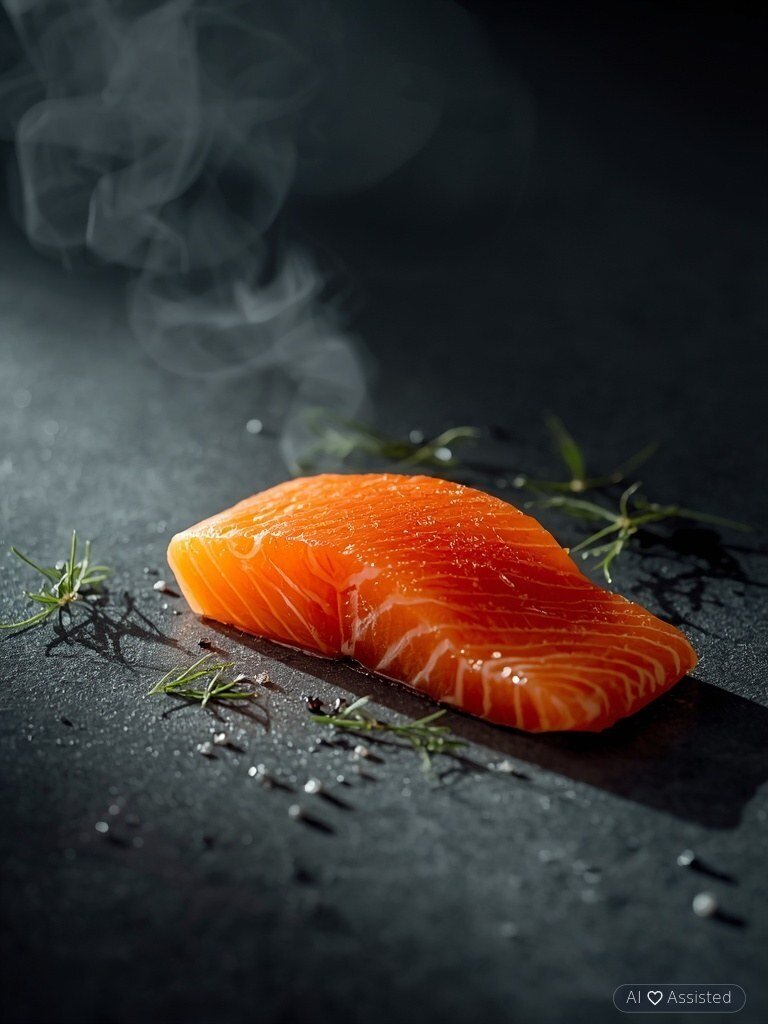
Smoked salmon is an iconic delicacy celebrated for its silky texture, nuanced smoky aromatics, and profound nutritional density. Functioning as a potent reservoir of complete protein, vitamin D3, and cardioprotective omega-3 fatty acids, it features prominently in Mediterranean and Nordic eating patterns. Understanding processing nuances and safety guidelines ensures optimal health benefits.
Want to apply these guidelines in your daily diet?
Our smart diet generator creates a tailored meal plan in 3 minutes based on the recommendations in this article.
Nutritional Matrix and Health Benefits of Smoked Salmon
Smoked salmon provides a dense matrix of essential micronutrients. A 100 g portion provides roughly 18–22 g of highly bioavailable protein and 8–14 g of lipids dominated by marine EPA and DHA omega-3 fatty acids.
Regular intake bolsters cardiovascular well-being by reducing blood pressure and systemic inflammation while supplying selenium, vitamin B12, and vitamin D3 crucial for musculoskeletal and immune defense.
Cold-Smoking vs Hot-Smoking – Technological Differences
Salmon curing employs two primary processing paradigms:
- Cold-smoking (20–30°C) – lasting from 12 to 48 hours; the flesh maintains a raw, silky, translucent consistency with supreme omega-3 retention;
- Hot-smoking (60–85°C) – fully cooking the fillet; yielding firm, flaky, opaque flakes that are pasteurized and microbiologically stable.
Food Safety: Sodium Content, PAHs, and Microbiological Quality
Despite notable advantages, specific nutritional caveats must be observed:
- Sodium concentration – curing elevates salt levels (2.5–3.5 g salt/100 g), requiring portion moderation in hypertensive patients;
- Polycyclic aromatic hydrocarbons (PAHs) – contemporary industrial smoke filtration maintains levels strictly within safe EU safety thresholds;
- Listeria monocytogenes – psychrotrophic bacteria occasionally found in raw cold-smoked cuts; expectant mothers should consume salmon that has undergone thorough heat pasteurization.
Culinary Applications and Balanced Meal Compositions
Smoked salmon integrates seamlessly into wholesome culinary applications:
- paired with scrambled pastured eggs, fresh baby spinach, and chives,
- tossed into nutrient-rich salads with arugula, creamy avocado, and lemon-vinaigrette,
- layered atop artisan whole-grain sourdough with cottage cheese or hummus.
Pairing with potassium-rich vegetables (such as avocado and tomatoes) balances dietary sodium intake.
Tags

Olivia Davis
✓Diets Premium Expert
Diets Premium team expert. Specializes in nutrition plans, strength sports, and training plans.
View Profile →