Pumpkin seed oil – comprehensive nutritional profile, phytosterol richness, and physiological benefits

| Diets Premium Expert Sophia Williams | min read 3 min | Scientifically reviewed by a clinical dietitian 23.10.2026 |
Smart Voice
•Listen to the article content live
Pumpkin seeds represent a valuable reservoir of bioactive compounds, classified among high-fat plant-based raw materials. The systematic incorporation of oil extracted from these seeds into one’s dietary regimen yields tangible benefits for overall physiological function and enhanced well-being. Of particular note is the elevated concentration of omega-6 polyunsaturated fatty acids (primarily linoleic acid), the essential trace element zinc—critical for optimal immune and endocrine system performance—and a diverse array of phytosterols, whose mechanisms contribute to cholesterol homeostasis. These attributes position pumpkin seed oil as a meritorious dietary inclusion for men, offering supportive measures against the onset of lifestyle-related disorders.
Want to apply these guidelines in your daily diet?
Our smart diet generator creates a tailored meal plan in 3 minutes based on the recommendations in this article.
Nutritional Profile and Fatty Acid Composition of Pumpkin Seed Oil
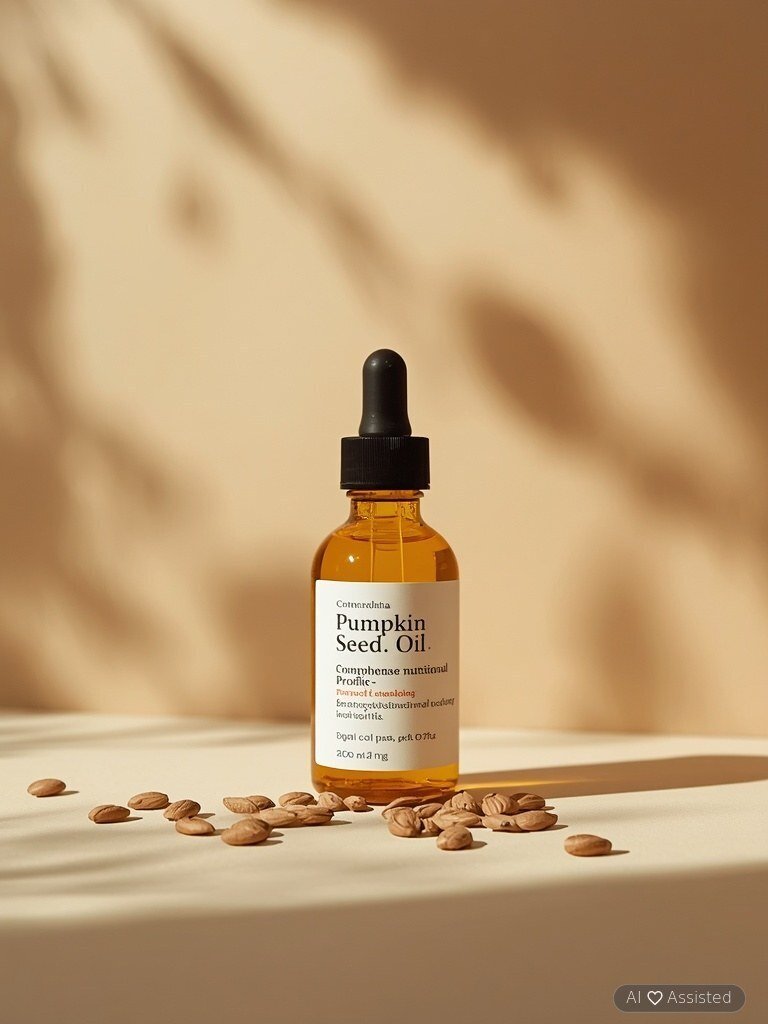
Virgin cold-pressed pumpkin seed oil (extracted mechanically from the seeds of Cucurbita pepo, notably the Styrian hull-less variety) represents an exceptional functional lipid matrix with an outstanding biochemical profile. It comprises approximately 80% unsaturated fatty acids, dominated by polyunsaturated linoleic acid (omega-6, 45–55%) and monounsaturated oleic acid (omega-9, 25–38%). Saturated fatty acids (palmitic and stearic acids) account for only 15–20% of total acylglycerols, conferring high cellular digestibility and profound cardioprotective utility.
Beyond its favorable fatty acid distribution, pumpkin seed oil concentrates an impressive spectrum of lipophilic antioxidants. It is particularly rich in natural tocopherols (vitamin E isomers, predominantly gamma- and alpha-tocopherol), which provide powerful oxidative stability against free radicals, alongside bioactive carotenoids (lutein, zeaxanthin, and beta-carotene) responsible for its distinctive dichromatic dark-green and reddish luminescence. Furthermore, it delivers vital bioavailable trace elements—chiefly zinc, selenium, magnesium, and potassium—essential for human metalloenzyme activity and immune competence.
Therapeutic Properties: Urological, Cardiovascular, and Dermatological Applications
The synergistic combination of bioactive phytosterols, polyunsaturated fatty acids, and zinc endows virgin pumpkin seed oil with substantiated pharmacological and therapeutic actions. In urology, it represents an established, guideline-supported phytotherapeutic agent for managing early-stage benign prostatic hyperplasia (BPH stages I and II). Bioactive constituents competitively inhibit 5-alpha-reductase, the key enzyme that converts systemic testosterone into dihydrotestosterone (DHT), which drives prostate epithelial hyperplasia. Concurrently, it reduces detrusor muscle irritability in overactive bladder (OAB) syndromes, attenuating dysuria and nocturia.
Cardiovascularly, pumpkin seed oil exerts documented anti-atherogenic properties by enhancing endothelial nitric oxide synthase (eNOS) expression, improving arterial compliance, and reducing systemic blood pressure. Furthermore, its rich zinc density exerts potent dermatological benefits: accelerating cutaneous re-epithelialization, reducing sebaceous hypersecretion in acne vulgaris, and mitigating inflammatory flares in psoriasis. In parasitology, the presence of cucurbitin (an atypical amino acid) paralyzes the nervous system of intestinal helminths (such as tapeworms and nematodes), facilitating their spontaneous elimination from the gastrointestinal lumen.
Culinary Applications and Heat Sensitivity of Pumpkin Seed Oil
Virgin pumpkin seed oil boasts an intense nutty bouquet, deep roasted notes, and a viscous velvety mouthfeel, making it a prized culinary delicacy. However, understanding its thermodynamic properties is paramount for preserving its bioactive potency: the oil possesses a low smoke point (approximately 120°C to 140°C). Exposing it to culinary heat treatments such as pan-frying, sauteing, or roasting triggers thermal degradation of fragile polyunsaturated fatty acids, rapid destruction of tocopherols, and the generation of cytotoxic lipid hydroperoxides.
Consequently, pumpkin seed oil must be consumed exclusively in unheated, cold applications. It serves as an exquisite finishing drizzle for warm vegetable soups (most famously pumpkin and butternut squash veloutes), vinaigrettes, artisanal sheep and goat curd, raw leafy salads, and hearty whole-grain breads. A renowned regional culinary pairing is drizzling a teaspoon over authentic Bourbon vanilla ice cream. To prevent photo-oxidation and rancidity, bottles should be crafted from amber UV-absorbing glass and stored in a cool pantry or refrigerated at 8–14°C.
Phytosterol Profile and Bioactive Lipids in Pumpkin Seed Oil
Pumpkin seed oil stands out among botanical lipid matrices due to its remarkably concentrated phytosterol fraction, ranging between 300 and over 500 mg per 100 g of oil. The sterol profile is uniquely characterized by delta-7-phytosterols (predominantly spinasterol, delta-7-avenasterol, and delta-7-stigmastenol), coexisting alongside classic delta-5-sterols including beta-sitosterol, campesterol, and stigmasterol. Possessing close structural homology to endogenous cholesterol, phytosterols exert well-characterized cardioprotective and hypocholesterolemic effects.
Within the intestinal lumen, plant sterols competitively displace dietary and biliary cholesterol from mixed lipid micelles and saturate the Niemann-Pick C1-Like 1 (NPC1L1) transporter on brush-border enterocytes. This competitive inhibition significantly reduces cholesterol absorption, precipitating an evidence-based reduction in circulating atherogenic low-density lipoprotein (LDL) and total cholesterol. Furthermore, delta-7-phytosterols exert anti-inflammatory actions by downregulating pro-inflammatory cytokines in prostatic stromal tissue and optimize hemostatic balance by preventing hyper-reactive platelet aggregation, thereby safeguarding against vascular thrombosis without elevating thrombotic risks. Daily integration of unheated pumpkin seed oil represents a premier clinical strategy for male urological and systemic vascular health.
Tags

Sophia Williams
✓Diets Premium Expert
Diets Premium team expert. Specializes in nutrition plans, strength sports, and training plans.
View Profile →