3 min read

Plant Sprouts – Types, Uses, Nutritional Benefits, and Health Gains from Consumption

Olivia Davis
Olivia Davis ✓
Diets Premium Expert • 25.09.2026
✓
Scientifically reviewed by a clinical dietitian: This article has been peer-reviewed for adherence to IŻŻ, WHO, and PTGiP clinical nutritional standards.
Diets Premium Expert Olivia Davis min read 3 min Scientifically reviewed by a clinical dietitian 25.09.2026
Plant Sprouts – Types, Uses, Nutritional Benefits, and Health Gains from Consumption

Smart Voice

•

Listen to the article content live

0:00 / 0:00
Key Takeaways
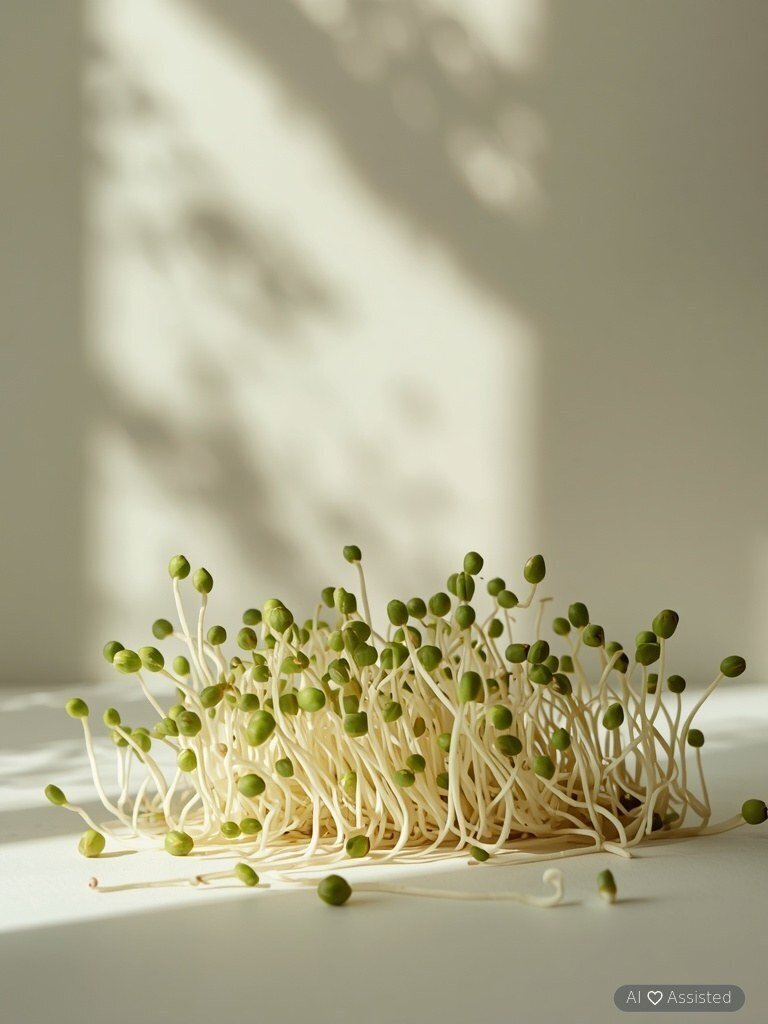
Plant sprays originate from seeds - hence, they are plants in the initial development phase. They should be incorporated into our menu as they are a valuable source of natural and at the same time fundamental nutrients. They are an excellent alternative in autumn and winter when fresh vegetables are hard to come by. They can be bought as ready-made products in stores or cultivated at home.
Meal Plan

Want to apply these guidelines in your daily diet?

Our smart diet generator creates a tailored meal plan in 3 minutes based on the recommendations in this article.

Varieties of Sprouts and Their Culinary Applications – A Comprehensive Guide to Flavors and Usage

Before selecting specific sprouts for culinary use, it is advisable to familiarize oneself with their distinct organoleptic characteristics to make informed decisions about their application in dishes. Below is a comprehensive overview of the most commonly encountered varieties: **Radish sprouts** are distinguished by their bold, peppery intensity with a sharp edge, reminiscent of young chives in potency—these pair exceptionally well with leafy green salads, mild fresh cheeses, and serve as a flavorful enhancement to creamy sauces. **Soybean sprouts** exhibit a delicate, subtly nutty flavor profile coupled with a crisp texture—ideal for complementing steamed vegetable dishes, with the recommendation to incorporate them at the final stage of cooking to preserve their tender consistency. **Oat sprouts** present a gentle, faintly sweet undertone, rendering them a versatile ingredient for both salads and emulsified dressings. **Mung bean sprouts** feature a distinctive, mildly bitter note that harmonizes seamlessly with meat-based and vegetable preparations, as well as enriching salad compositions. **Mustard sprouts**, conversely, captivate with their potent, pungent-spicy flavor spectrum, making them particularly suited for robust sandwiches, zesty salads, and as a counterbalance to fatty meats. Sprouts constitute an extraordinarily adaptable culinary component—they may be integrated into cooked dishes (adhering to the principle of *post-preparation* addition to mitigate nutrient degradation) or consumed raw as a standalone, nutrient-dense snack. Their versatility extends across light salads, multilayered sandwiches, aromatic sauces, and even unconventional dessert applications. When selecting a particular variety, primary consideration should be given to aromatic intensity, which ranges from subtle, near-neutral profiles to bold, flavor-dominating characteristics.

Sprouted seeds: a nutrient-dense superfood with enhanced bioavailability

Germinating seeds represent an exceptionally rich source of bioactive nutrients, as the sprouting process triggers profound biochemical transformations that substantially enhance their nutritional profile. They contain a comprehensive array of fat-soluble vitamins (including retinol and tocopherol) and water-soluble vitamins (such as ascorbic acid and the B-vitamin complex), whose bioavailability far exceeds that found in mature vegetables or grains. Notably, while the vitamin composition is consistent across all sprout varieties, their concentrations may vary depending on the plant species. The dynamic alterations in the seeds' chemical composition commence within the first days of germination, marked by a rapid surge in vitamin C content alongside other bioactive compounds. Furthermore, sprouts serve as an invaluable reservoir of macrominerals (e.g., calcium, magnesium, potassium) and trace elements (such as selenium, chromium, and lithium), which play pivotal roles in metabolic regulation. Additionally, they provide a complete profile of essential amino acids, and their complex carbohydrates and lipids exhibit significantly improved digestibility compared to those in unprocessed foods. Another key advantage lies in their high fiber content and digestive enzymes (e.g., amylases, proteases), which not only facilitate mineral absorption but also stimulate intestinal peristalsis, support liver detoxification, and optimize bile production and secretion—ultimately ensuring the human body maximizes the nutritional potential of sprouts.

Sprouts: An Indispensable Nutrient Powerhouse for Optimal Health and Vitality

Sprouts represent an exceptionally nutrient-dense food source, as their bioactive compounds are present in the most readily absorbable form for the human body. Nutritionists emphasize that the peak nutritional value is observed in sprouts consumed within the first 3–5 days of germination. Regular incorporation into one’s diet yields a multitude of health benefits, including: **enhanced immune defense** (owing to high concentrations of bioavailable vitamin C and antioxidants), **metabolic regulation**, **protection against pathogenic microorganisms**, **improved hair, nail, and skin condition** (attributable to B-complex vitamins, zinc, and silica), **tissue alkalization**, **digestive efficiency** (facilitated by naturally occurring digestive enzymes), **reduction in LDL cholesterol levels** (particularly in varieties such as alfalfa or broccoli sprouts), **appetite stimulation**, and **elevated energy levels**. Notably, sprouts are **low in calories**, permitting unrestricted consumption at any time of day—whether as a standalone snack or a culinary ingredient. Given their **unparalleled nutritional profile**, they are **especially recommended for growing children, seniors, and individuals in recovery**. Sprouts serve as a **wholesome substitute for synthetic dietary supplements**, enriching meals with both flavor and nutritional value. Their **culinary versatility** and **ease of home cultivation** further establish them as a **sustainable and economical staple** in a balanced diet. Considering these attributes, their inclusion in daily meal planning is strongly advised for those seeking to optimize health and vitality.
Olivia Davis

Olivia Davis

✓

Diets Premium Expert

Diets Premium team expert. Specializes in nutrition plans, strength sports, and training plans.

View Profile →
Recommended articles in this category

Related Articles

Discover similar publications and expert insights.

Sunflower Sprouts – Cultivation and Nutritional Values
Nutritional Values
Sunflower Sprouts – Cultivation and Nutritional Values
⏱ 3 min czytania
#Nutritional Values #Nutrition Facts
Optimal Summer Nutrition Plan: 10 Evidence-Based Dietary Guidelines for Heat Waves and High Temperatures
Nutritional Benefits
Optimal Summer Nutrition Plan: 10 Evidence-Based Dietary Guidelines for Heat Waves and High Temperatures
⏱ 1 min czytania
#Nutritional Benefits #Low-calorie Meals
Melons: an exploration of cultivars, distinctive traits, nutrient profile, and culinary applications
Food & Ingredients
Melons: an exploration of cultivars, distinctive traits, nutrient profile, and culinary applications
⏱ 4 min czytania 📚 Food & Ingredients
#Nutritional Values #Nutrition Facts
Red onions – nutritional value, recipes... can you sauté red onions?
Nutritional Values
Red onions – nutritional value, recipes... can you sauté red onions?
⏱ 4 min czytania
#Nutritional Values #Nutritional Value
Tomato: Nutritional profile, role in pregnancy, gout management, and healthy recipes
Pregnancy & Motherhood
Tomato: Nutritional profile, role in pregnancy, gout management, and healthy recipes
⏱ 6 min czytania 📚 Pregnancy & Motherhood
#Vegetable Cultivation #Nutritional Values
Beans – Properties, Nutritional Value, Recipes… How to Cook Beans?
Nutritional Value
Beans – Properties, Nutritional Value, Recipes… How to Cook Beans?
⏱ 6 min czytania
#Nutritional Value #Beans
Fermented sour pickles: Nutritional benefits, vitamin profile, and the secrets to an authentic homemade recipe
Lactic Acid Fermentation
Fermented sour pickles: Nutritional benefits, vitamin profile, and the secrets to an authentic homemade recipe
⏱ 3 min czytania
#Lactic Acid Fermentation #Nutritional Benefits
Kalettes – Origin, Characteristics, and Application of the New Vegetable Kind
Health
Kalettes – Origin, Characteristics, and Application of the New Vegetable Kind
⏱ 3 min czytania 📚 Health
#Nutritional Properties #Vegetable
Vegetable with Pronounced Flavor
Vegetable Dishes
Vegetable with Pronounced Flavor
⏱ 3 min czytania
#Vegetable Dishes #Vegetables
Dried tomatoes – properties, nutritional value, and culinary use
Health Benefits
Dried tomatoes – properties, nutritional value, and culinary use
⏱ 3 min czytania
#Health Benefits #Dried Tomatoes
Brussels Sprouts – a Cabbage-Family Vegetable with the Highest Vitamin C Content
Brussels Sprouts
Brussels Sprouts – a Cabbage-Family Vegetable with the Highest Vitamin C Content
⏱ 2 min czytania
#Brussels Sprouts #Vegetable
Kohlrabi – A Versatile Superfood, Best Enjoyed Fresh: Health Benefits, Vitamin C, and Culinary Uses
Vegetables
Kohlrabi – A Versatile Superfood, Best Enjoyed Fresh: Health Benefits, Vitamin C, and Culinary Uses
⏱ 1 min czytania
#Vegetables #Vegetable
Does Freezing Vegetables Diminish Nutritional Value, or Is It an Optimal Wholesome Alternative to Fresh Produce?
Pregnancy & Motherhood
Does Freezing Vegetables Diminish Nutritional Value, or Is It an Optimal Wholesome Alternative to Fresh Produce?
⏱ 4 min czytania 📚 Pregnancy & Motherhood
#Seasonal Dishes #Vegetables
Vegetable preserves – manufacturing process, advantages and disadvantages
Vegetables
Vegetable preserves – manufacturing process, advantages and disadvantages
⏱ 4 min czytania 📚 Vegetables
#Vegetable #Sauce
Low-residue, low-fat diet – principles, clinical indications, and meal plan
Pregnancy & Motherhood
Low-residue, low-fat diet – principles, clinical indications, and meal plan
⏱ 5 min czytania 📚 Pregnancy & Motherhood
#Low-fat Nutrition #Low-fat Diet
Pumpkin seed oil – nutritional characteristics, therapeutic applications, dosage guidelines, and its efficacy in combating parasitic infections
Dietary Supplement
Pumpkin seed oil – nutritional characteristics, therapeutic applications, dosage guidelines, and its efficacy in combating parasitic infections
⏱ 6 min czytania
#Dietary Supplement #Pumpkin Seed Oil
Chia (*Salvia hispanica*): Caloric Density, Phytochemistry, and Culinary Thermodynamics
Nutritional Composition
Chia (*Salvia hispanica*): Caloric Density, Phytochemistry, and Culinary Thermodynamics
⏱ 4 min czytania
#Nutritional Composition #Health Benefits
Eggplant – Nutritional Value, Recipes. How to Prepare Eggplant?
Nutritional Value
Eggplant – Nutritional Value, Recipes. How to Prepare Eggplant?
⏱ 5 min czytania
#Nutritional Value #Baking
White Chocolate Product – Composition, Nutritional Value and Impact on Diet
Nutritional Value
White Chocolate Product – Composition, Nutritional Value and Impact on Diet
⏱ 3 min czytania
#Nutritional Value #Nutrition
Edible Horse Chestnuts – Characteristics, Nutritional Values and Recipes
Nutritional Values
Edible Horse Chestnuts – Characteristics, Nutritional Values and Recipes
⏱ 4 min czytania
#Nutritional Values #Nutrition Facts
Coconut Chips and Flakes – Health Properties, Nutrition, and Calories
Nutritional Values
Coconut Chips and Flakes – Health Properties, Nutrition, and Calories
⏱ 3 min czytania
#Nutritional Values #Sweet Treats
Stevia - properties, nutritional values, and utilization
Natural Sweetener
Stevia - properties, nutritional values, and utilization
⏱ 3 min czytania
#Natural Sweetener #Nutritional Values
White sugar compared to brown sugar... Evaluating their nutrient profiles and health impacts
Nutritional Values
White sugar compared to brown sugar... Evaluating their nutrient profiles and health impacts
⏱ 2 min czytania
#Nutritional Values #Nutrition Facts
Game Meat – Nutritional Values, Uses, and Consumption Limitations
Nutrition
Game Meat – Nutritional Values, Uses, and Consumption Limitations
⏱ 4 min czytania 📚 Nutrition
#Nutritional Values #Health Benefits
Millet Porridge – Nutritional Values, Drawbacks, Uses, and Recipes
Balanced Diet On The Go
Millet Porridge – Nutritional Values, Drawbacks, Uses, and Recipes
⏱ 4 min czytania
#Balanced Diet On The Go #Nutritional Values
What Dishes Can Be Prepared with Melon? Which Varieties Exist and What Are Their Nutritional Values?
Nutritional Values
What Dishes Can Be Prepared with Melon? Which Varieties Exist and What Are Their Nutritional Values?
⏱ 4 min czytania
#Nutritional Values #Nutrition Facts
Star Fruit – Effects, Nutritional Value, and Uses
Nutritional Value Of Fruits
Star Fruit – Effects, Nutritional Value, and Uses
⏱ 3 min czytania
#Nutritional Value Of Fruits #Nutritional Value Of Food
Therapeutic Properties of the Common Onion: Phytochemical Profile, Nutritional Value, and Health Benefits
Food & Ingredients
Therapeutic Properties of the Common Onion: Phytochemical Profile, Nutritional Value, and Health Benefits
⏱ 4 min czytania 📚 Food & Ingredients
#Vegetable Nutrients #Onion Nutrition
Ergogenic supplements and performance nutrients for active individuals: Hidden risks and adverse reactions rarely discussed
Nutritional Ingredients
Ergogenic supplements and performance nutrients for active individuals: Hidden risks and adverse reactions rarely discussed
⏱ 4 min czytania
#Nutritional Ingredients #Performance
Fresh vs. Dried Basil: Comparative Culinary, Phytochemical, and Nutritional Analysis
Nutritional Science
Fresh vs. Dried Basil: Comparative Culinary, Phytochemical, and Nutritional Analysis
⏱ 3 min czytania 📚 Nutritional Science
#Nutritional Benefits Of Plants #Culinary Versatility

Share