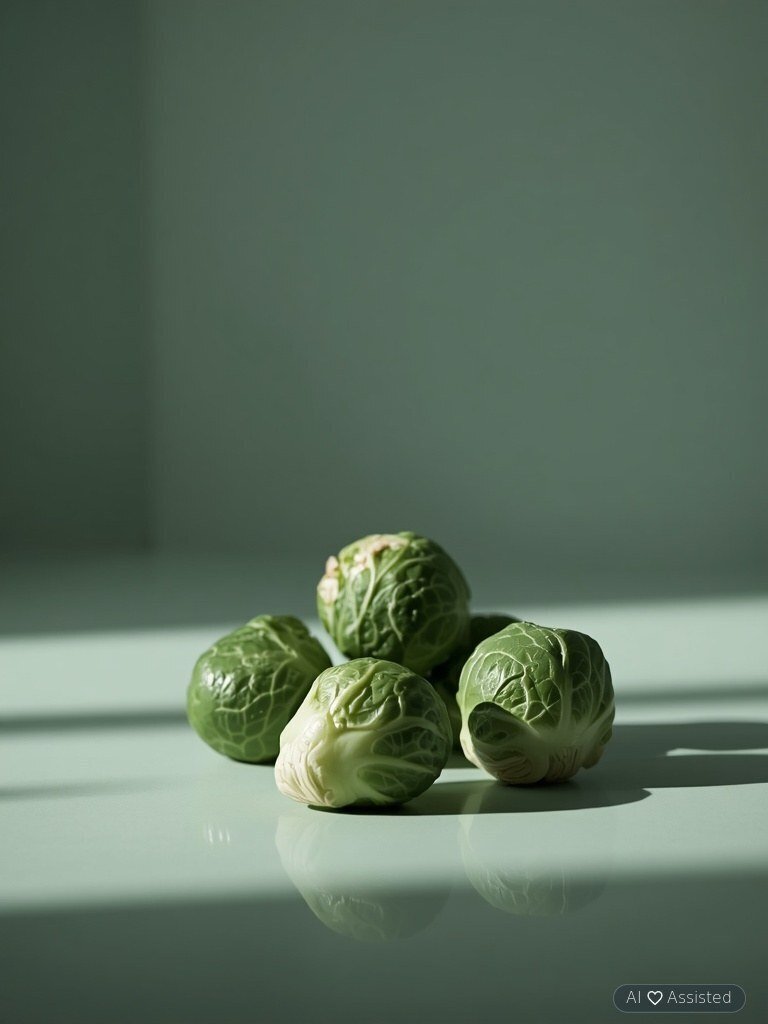
Brussels Sprouts – a Cabbage-Family Vegetable with the Highest Vitamin C Content

| Diets Premium Expert Olivia Davis | min read 2 min | Scientifically reviewed by a clinical dietitian 24.09.2026 |
Smart Voice
•Listen to the article content live
Want to apply these guidelines in your daily diet?
Our smart diet generator creates a tailored meal plan in 3 minutes based on the recommendations in this article.
Brussels sprouts – nutritional properties and health benefits
Culinary and nutritional applications of Brussels sprouts: evidence-based preparation guidelines
Indole-3-Carbinol, Sulforaphane, and Glucosinolates: Molecular Mechanisms of Cellular Protection and Detoxification
Brussels sprouts exhibit an exceptionally dense concentration of glucosinolates compared to other brassica vegetables—precursors to highly bioactive isothiocyanates and indoles, notably sulforaphane and indole-3-carbinol (I3C). These compounds exert potent induction over phase II hepatic detoxification enzymes, facilitating the biotransformation and excretion of environmental carcinogens and reactive oxygen species. Molecular research demonstrates that sulforaphane activates the Nrf2 signaling pathway, which governs the expression of over two hundred antioxidant and cytoprotective genes.
Furthermore, indole-3-carbinol modulates systemic estrogen metabolism by favoring the 2-hydroxylation pathway over 16-alpha-hydroxyestrone, exerting a protective influence against hormone-sensitive neoplasms such as breast and endometrial tissues. To preserve the heat-labile enzyme myrosinase, which hydrolyzes glucosinolates into bioactive forms, gentle steaming for under 4–5 minutes or pairing cooked sprouts with a raw myrosinase source (such as mustard seed or daikon radish) is clinically recommended.
Modern Culinary Techniques: Caramelized Roasted Brussels Sprouts with Walnuts and Glaze Free of Bitterness
Protracted boiling of Brussels sprouts in water is primarily responsible for the volatilization of unpleasant sulfurous compounds (such as hydrogen sulfide) and the intensification of bitter notes that traditionally alienate diners. Contemporary culinary nutrition emphasizes dry high-heat roasting (200–210°C / 400–410°F), which caramelizes natural plant sugars, yielding a tender interior and a crisp, nutty exterior.
Caramelized Roasted Sprouts Recipe: Trim and halve fresh Brussels sprouts longitudinally. Toss with 2 tablespoons extra virgin olive oil, sea salt, cracked black pepper, and minced garlic. Arrange cut-side down on a parchment-lined baking sheet and roast for 20–25 minutes until deeply caramelized. Finish immediately with a drizzle of aged balsamic glaze, toasted chopped walnuts, and fresh pomegranate arils. This preparation delivers superior palatability alongside robust anti-inflammatory polyphenols and omega-3 fatty acids.
Tags

Olivia Davis
✓Diets Premium Expert
Diets Premium team expert. Specializes in nutrition plans, strength sports, and training plans.
View Profile →