Atlantic Mackerel: Nutritional Profile, Health Benefits, and Culinary Preparation Techniques

| Diets Premium Expert Tim Klein | min read 4 min | Scientifically reviewed by a clinical dietitian 23.10.2026 |
Smart Voice
•Listen to the article content live
Want to apply these guidelines in your daily diet?
Our smart diet generator creates a tailored meal plan in 3 minutes based on the recommendations in this article.
Nutritional Matrix of Atlantic Mackerel – Protein, Omega-3s, and Fat-Soluble Vitamins
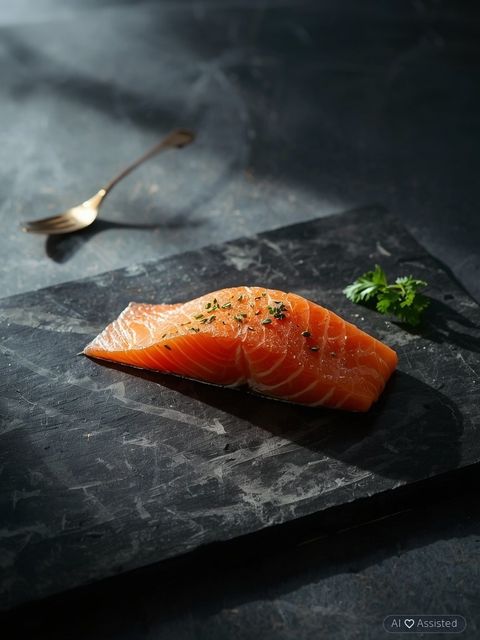
Atlantic mackerel (Scomber scombrus) is a pelagic species thriving in the cool, nutrient-dense waters of the North Atlantic and Baltic seas, possessing an outstanding biochemical lipid-protein profile:
- Complete animal protein – delivers 20–24 g of highly digestible protein per 100 g, rich in indispensable branched-chain amino acids and lysine.
- Long-chain omega-3 fatty acids – total lipid content ranges from 12 to 18 g, featuring an extraordinary 2.5–3.5 g of bioactive EPA and DHA per 100 g portion, easily satisfying multi-day clinical requirements.
- Vitamins D3 and B12 – represents one of nature's foremost whole-food sources of cholecalciferol (supplying 400–600 IU vitamin D3 per 100 g) alongside cobalamin (B12) essential for neurogenesis and red blood cell maturation.
- Vitamins A and E – lipophilic antioxidants that preserve fatty acid double bonds from free-radical auto-oxidation.
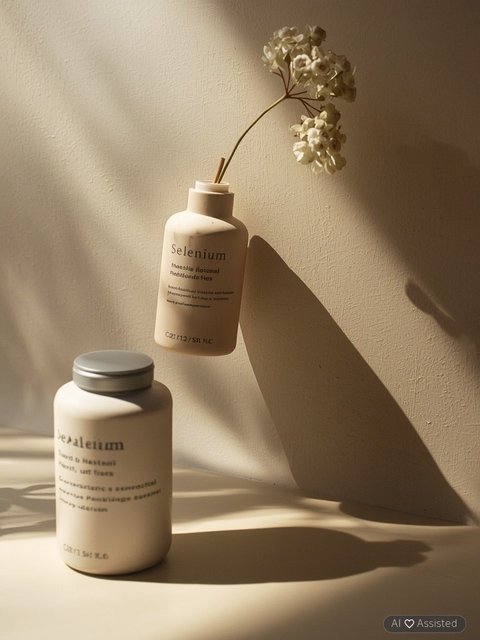
Selenium and Trace Minerals – Antioxidant Defense, Thyroid, and Immune Function
Among marine fish, Atlantic mackerel stands out for its exceptional concentration of the trace element selenium:
- Daily requirement fulfillment – a 100 g portion provides roughly 45–55 µg of bioavailable selenium, covering nearly 100% of the adult recommended daily allowance (55 µg/day).
- Glutathione peroxidase activation – selenium acts as the selenocysteine core of glutathione peroxidases (GPx), neutralizing lipid hydroperoxides and protecting cellular membranes from oxidative degradation.
- Thyroid hormone deiodination – selenium is an obligate cofactor for iodothyronine deiodinases converting prohormone T4 into active T3. Paired with endogenous dietary iodine, mackerel is ideal for thyroid metabolism support.
- Gestational and neurodevelopmental support – concurrent maternal intake of selenium and long-chain DHA fosters fetal neuro-retinal development while mitigating gestational hypertensive risks.
Clinical Safety – Histamine, Purines, Sodium in Smoked Varieties, and Minimal Mercury
When integrating mackerel into clinical diets, specific nutritional nuances must be evaluated:
- Low methylmercury accumulation – Atlantic mackerel (Scomber scombrus) is a small, short-lived pelagic fish with negligible bioaccumulation (<0.05 ppm), unlike large king mackerel (Scomberomorus cavalla) or shark. It is endorsed for maternal and pediatric consumption.
- Histamine and scombroid poisoning risk – mackerel muscle contains abundant free histidine. Inadequate post-catch cold-chain storage allows bacterial histidine decarboxylase to convert it into toxic histamine, triggering scombroid poisoning. Only fresh, properly chilled fish should be procured.
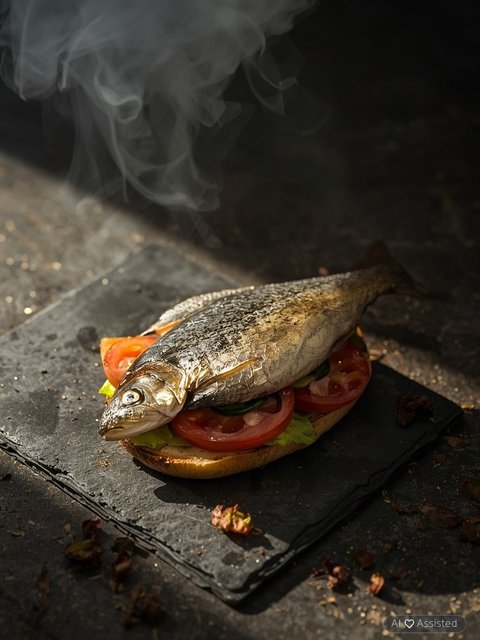
- Fresh vs smoked sodium differentials – commercially hot-smoked mackerel packs considerable sodium chloride (2–3 g salt per 100 g) and pyrolysis wood smoke compounds; hypertensive and renal patients should prioritize fresh baked or steamed fillets.
- Purine density – individuals with hyperuricemia or gout should moderate portions due to endogenous purines that break down into uric acid.
Culinary Preparation – Wholesome Home Kitchen Recipes
Atlantic mackerel lends itself seamlessly to nutrient-dense home cooking:
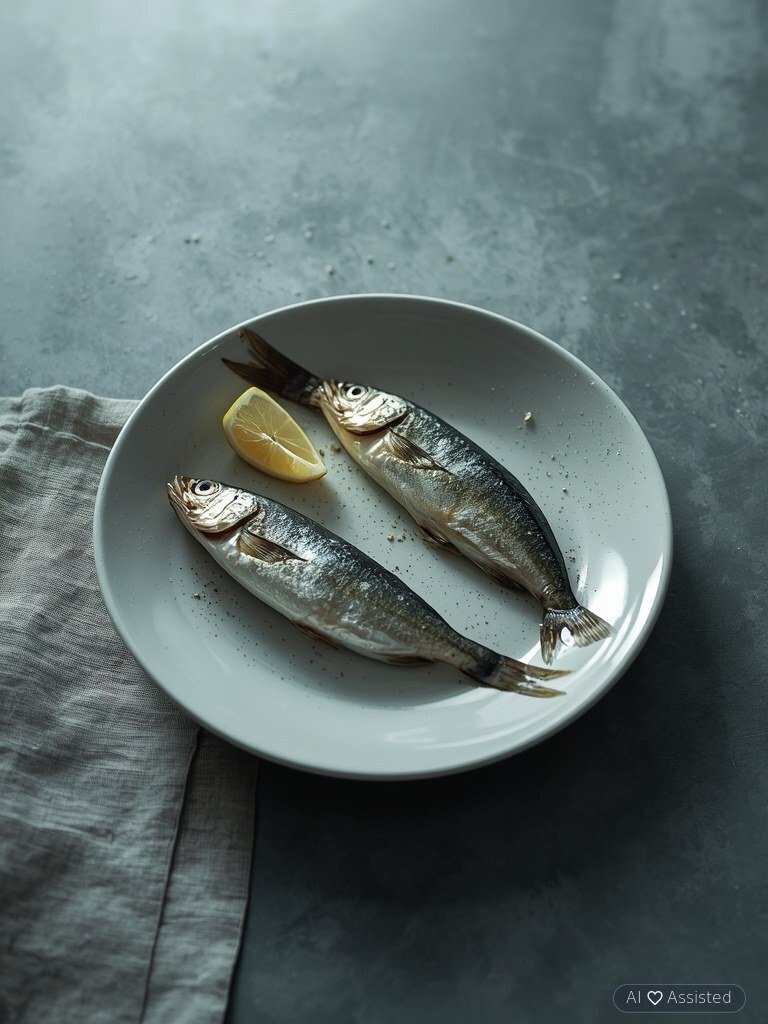
1. Herb-Roasted Fresh Mackerel with Lemon and Garlic:
- Ingredients: 2 gutted fresh Atlantic mackerel, 1 organic lemon sliced, 2 crushed garlic cloves, 2 fresh rosemary sprigs, 1 tbsp olive oil, sea salt, black pepper.
- Preparation: Pat fish dry and score skin diagonally at 2 cm intervals. Season with salt and pepper. Stuff cavities with lemon slices, crushed garlic, and rosemary sprigs. Brush lightly with olive oil. Roast at 200°C (400°F) for 20–25 minutes until the skin crisps and meat flakes easily.
2. High-Protein Smoked Mackerel and Quark Sandwich Spread:
- Ingredients: 150 g deboned mackerel flakes, 150 g low-fat quark (or farmer's cheese), 2 tbsp plain Greek yogurt, 1 bunch finely minced chives, 1 tsp Dijon mustard, cracked black pepper.
- Preparation: Mash mackerel and quark together using a fork, fold in Greek yogurt, mustard, and minced chives, and season generously with black pepper. Serve on whole-grain sourdough for a hearty, omega-3-packed breakfast.
Tags

mgr Tim Klein
✓Diets Premium Expert
Diets Premium team expert. Specializes in nutrition plans, strength sports, and training plans.
View Profile →